
Abstract
Coastal residential projects impose a demanding performance envelope on fenestration. Windows must simultaneously resist hurricane-force wind pressures, absorb windborne debris impact, and endure years of salt spray, elevated humidity, and intense UV radiation — all without structural degradation or seal failure.
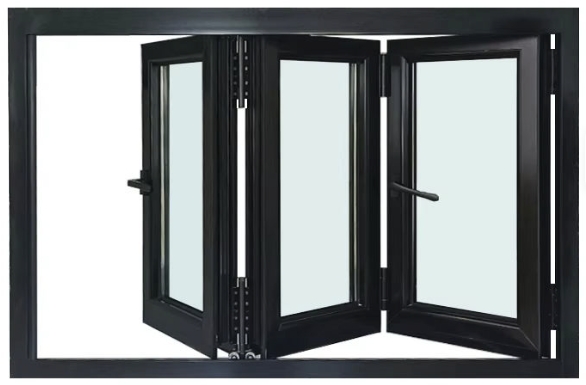
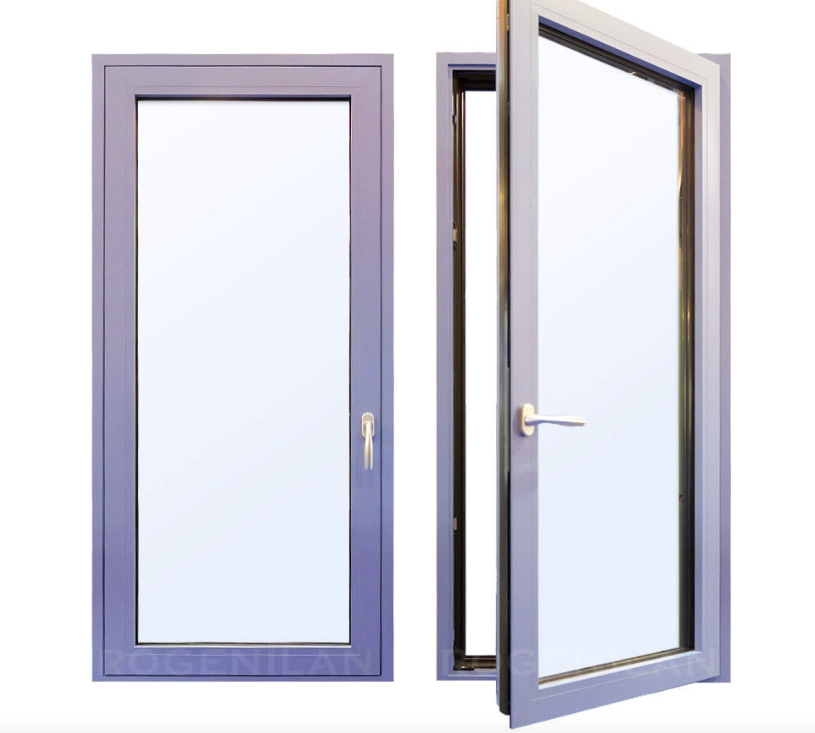
Hurricane resistant casement windows have emerged as a preferred specification for coastal homes precisely because their geometry, multi-point locking hardware, and compressed perimeter seals align naturally with these requirements. However, not all impact-rated casement windows perform equally in marine environments. Frame material corrosion resistance, interlayer technology, edge seal longevity, and hardware grade each contribute to long-term reliability in ways that standard product datasheets rarely capture in full.
This article guides architects, contractors, and procurement managers through the critical specification layers — from ASTM impact ratings and glazing system selection to frame material trade-offs and total cost of ownership — to support confident, code-compliant product decisions for coastal home applications.
Understanding Hurricane Resistant Casement Window Performance Standards
Impact Ratings, Wind Load Certifications & Code Requirements
Specifying hurricane rated windows for coastal homes begins with understanding the certification framework that governs minimum acceptable performance. The primary test standards are ASTM E1886 (test method for performance of exterior windows under the influence of windborne debris) and ASTM E1996 (specification for performance of exterior windows, curtain walls, doors, and storm shutters impacted by windborne debris in hurricanes).
For projects in South Florida and other high-velocity hurricane zones (HVHZ), Miami-Dade Notice of Acceptance (NOA) certification is the most rigorous third-party validation available and is legally required by the Florida Building Code. AAMA 506 provides supplementary guidance on performance requirements for impact-resistant windows in hurricane-prone regions, addressing both large and small missile impact classifications.
Local coastal building codes — particularly those aligned with ASCE 7 wind speed maps — set jurisdiction-specific minimum design pressures. Procurement teams should verify that selected products carry both the applicable ASTM certifications and the NOA or state-equivalent approval for the project’s wind zone.
How Casement Window Geometry Affects Structural Integrity Under Pressure
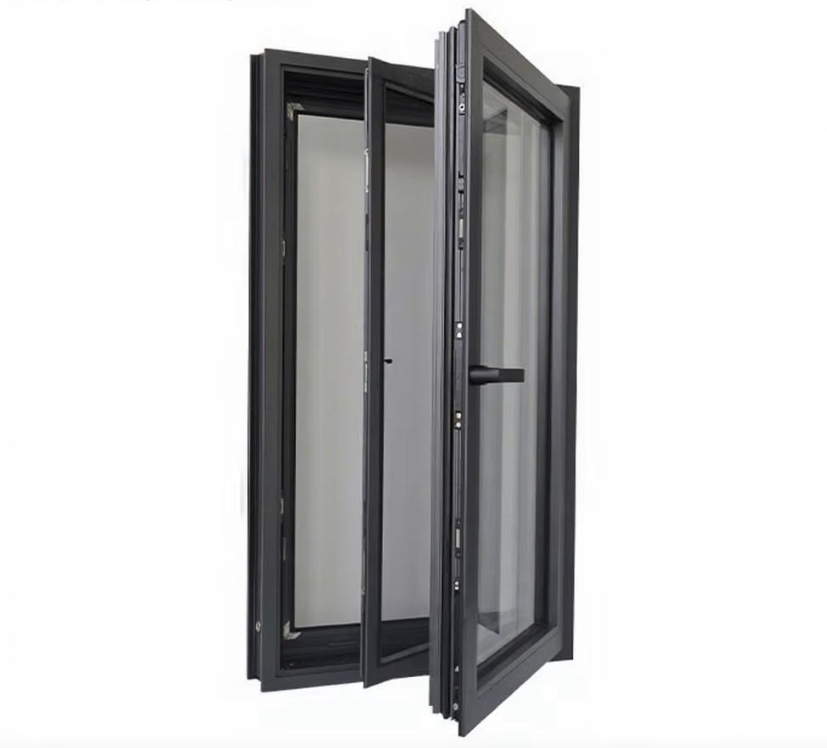
The casement configuration offers a structural advantage over sliding windows that is often underappreciated. When a casement sash is closed and locked, the entire perimeter compresses against a continuous weatherstrip, creating a uniform air and water seal under positive and negative pressure cycles.
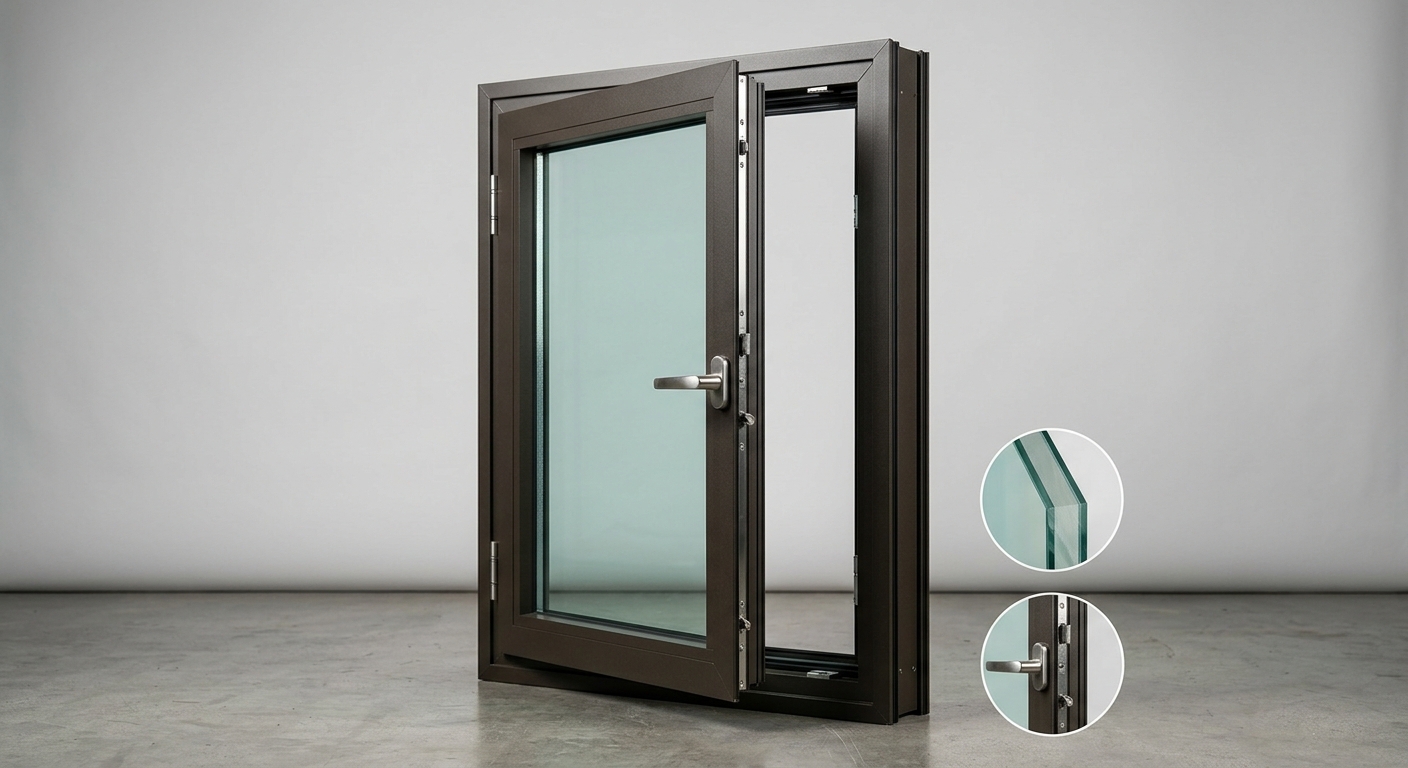
Multi-point locking hardware — typically engaging four to six lock points around the sash perimeter — distributes wind load forces evenly rather than concentrating stress at a single latch point. This hardware geometry reduces sash deflection under design pressure and maintains seal integrity during the sustained pressure fluctuations that characterize hurricane wind events.
Corner-welded or mechanically reinforced frame corners further prevent racking under asymmetric loading. For coastal projects, specifiers should confirm that tested design pressures (both positive and negative) meet or exceed the project’s calculated wind load per ASCE 7, not simply the minimum code threshold.
Glazing Systems — The Core of Hurricane Impact Protection
Laminated Impact Glass vs. Insulated Impact Glass Units (IGUs)
The glazing system is the primary line of defense against windborne debris and the largest variable in both performance and cost. Two configurations dominate coastal residential specifications:
Laminated impact glass consists of two or more glass lites bonded by a polymer interlayer — either PVB (polyvinyl butyral) or the higher-performance SGP (SentryGlas® ionoplast). SGP interlayers offer approximately five times the tear resistance of standard PVB and significantly greater post-breakage rigidity, which is critical for maintaining the window’s weather barrier after an impact event. Typical laminated constructions for hurricane zones range from 7/16″ to 9/16″ total thickness.
Laminated IGUs combine impact lamination with an insulating air or gas cavity, delivering both hurricane protection and thermal performance. These units are heavier and more expensive but are increasingly required in energy-code-compliant coastal construction, particularly in Climate Zones 2 and 3.
Glazing Selection Criteria for Salt Air & High-UV Coastal Environments
Beyond impact classification, coastal environments impose additional degradation stresses on glazing systems. Low-E coating durability is a key concern: soft-coat (sputtered) Low-E must be positioned on an interior glass surface within an IGU cavity to protect it from salt spray and abrasion. Hard-coat (pyrolytic) Low-E, while less thermally efficient, offers greater surface durability for exposed applications.
Edge seal longevity in high-humidity environments depends on dual-seal IGU construction using polyisobutylene primary seals and silicone or polysulfide secondary seals. Single-seal units are not appropriate for beachfront exposure. UV-stable interlayers also prevent yellowing and clarity loss over the product’s service life.
| Glazing Type | Interlayer | Impact Class | U-Factor / SHGC | Best Coastal Application | Cost Tier |
|---|---|---|---|---|---|
| Laminated (single) | PVB | Large Missile | 0.55–0.65 / 0.25–0.40 | Inland Coastal | Entry |
| Laminated (single) | SGP | Large Missile | 0.55–0.65 / 0.25–0.40 | Beachfront / HVHZ | Mid |
| Laminated IGU | PVB | Large Missile | 0.28–0.35 / 0.22–0.32 | Inland Coastal / High-Rise | Mid–High |
| Laminated IGU | SGP | Large Missile | 0.26–0.32 / 0.20–0.30 | Beachfront / High-Rise | Premium |
Frame & Hardware Materials — Corrosion Resistance for Salt Air Environments
Frame Material Comparison — Aluminum, uPVC, Fiberglass & Composite
Frame material selection is the second most consequential decision for coastal casement window specification, directly affecting corrosion resistance, maintenance burden, and structural rigidity.
Aluminum (thermally broken): Dominant in coastal commercial and high-end residential construction. Offers superior structural rigidity for large sash sizes and high design pressures. Requires AAMA 2605-rated fluoropolymer (PVDF) coating for salt air environments — this coating class provides a minimum 10-year chalk/fade warranty and resists chloride-induced degradation. Untreated or AAMA 2603-rated finishes are not appropriate for beachfront exposure.
uPVC (unplasticized PVC): Inherently corrosion-immune and requires no surface coating maintenance. UV stabilizers are essential for coastal applications to prevent chalking and brittleness. Structural limitations constrain maximum sash sizes, making uPVC less suitable for large-format coastal openings.
Fiberglass (pultruded GRP): Offers the best combination of corrosion resistance, thermal stability, and structural rigidity among non-metallic frame materials. Thermal expansion closely matches glass, reducing seal stress across temperature cycles. Higher upfront cost but minimal lifecycle maintenance in salt air environments.
Composite (wood-aluminum or wood-fiberglass): Interior wood aesthetic with exterior protective cladding. Appropriate for inland coastal zones where salt spray exposure is moderate; less recommended for direct beachfront applications without verified marine-grade exterior cladding.
Hardware Specifications — Hinges, Locks & Seals Rated for Marine Exposure
Hardware failure is a common but preventable vulnerability in coastal casement windows. Specifiers should require:
- 316 stainless steel for all exposed hinges, espagnolette rods, and fasteners — Grade 304 stainless is insufficient for direct salt spray exposure and will exhibit surface corrosion within 12–24 months in beachfront conditions.
- Multi-point locking systems with a minimum of four locking points, tested to the applicable design pressure alongside the window assembly (not independently rated).
- EPDM or silicone perimeter seals — neoprene degrades under prolonged UV and ozone exposure; EPDM maintains compression set resistance and weathering performance over 20+ year service cycles.
- Hardware with AAMA 2605-equivalent coating where zinc die-cast components are unavoidable.
Application Scenarios & Commercial Value for Coastal Residential Projects
Matching Window Specifications to Coastal Exposure Zones
ASCE 7 wind speed maps divide coastal areas into design wind speed contours, while Exposure Categories B, C, and D classify site-specific terrain roughness. Exposure D — the most severe — applies to flat, open terrain facing large bodies of water, including beachfront lots within one mile of shoreline. This category requires the highest design pressure ratings and typically mandates SGP-interlayer laminated IGUs in aluminum or fiberglass frames with 316 SS hardware.
Inland coastal zones (Exposure B/C, 1–5 miles from shoreline) allow greater flexibility: thermally broken aluminum with AAMA 2605 coating and PVB laminated IGUs typically satisfy both code and durability requirements at a lower cost tier. High-rise coastal residential projects introduce additional considerations around stack-effect pressure differentials and condensation management, favoring low-U-factor laminated IGUs with warm-edge spacer systems.
Total Cost of Ownership — Procurement, Installation & Long-Term Maintenance
The upfront premium for properly specified hurricane resistant casement windows — typically 40–80% above standard residential windows — is offset by measurable lifecycle advantages:
- Insurance premium reductions of 15–45% are available in Florida, Texas, and other coastal states for homes with verified impact-rated openings, with some carriers requiring Miami-Dade NOA documentation.
- Replacement cycle: Correctly specified coastal casement windows carry 20–30 year manufacturer warranties on frames and 10–15 years on IGU seals. Inadequately specified windows in salt air environments may require frame or hardware replacement within 7–10 years.
- Installation costs in coastal climates include corrosion-resistant fasteners, marine-grade sealants, and flashing systems — typically adding 10–15% to standard installation labor. Specifying these requirements in the project scope prevents value-engineering substitutions that compromise long-term performance.
FAQ
Q1: What is the minimum impact rating required for casement windows in a coastal hurricane zone?
Most coastal jurisdictions require compliance with ASTM E1996 Large Missile Level C or D, which simulates a 9-lb 2×4 lumber projectile at 34 mph. In HVHZ areas (Miami-Dade and Broward Counties), Miami-Dade NOA certification is legally mandatory. Always verify the applicable local amendment to the International Building Code or Florida Building Code for the specific project location.
Q2: How do I choose between aluminum and fiberglass frames for a beachfront residential project in a high-salt-spray environment?
Both are viable for beachfront exposure when correctly specified. Aluminum with AAMA 2605 PVDF coating offers greater structural rigidity for large sash sizes and is more widely available with Miami-Dade NOA certifications. Fiberglass eliminates coating maintenance concerns entirely and performs better in thermally demanding climates due to its lower conductivity. For projects where maintenance access is limited or lifecycle cost is the priority, fiberglass represents the stronger long-term investment.
Q3: Do hurricane resistant casement windows qualify for insurance discounts or building code credits in coastal states?
Yes. In Florida, the Uniform Mitigation Verification Inspection form (OIR-B1-1802) documents impact-rated openings for insurance credit purposes. Similar programs exist in Texas (TWIA), South Carolina, and other Gulf and Atlantic coastal states. Some jurisdictions also offer expedited permitting or reduced energy code compliance pathways for projects using certified impact glazing systems.
Conclusion
Specifying hurricane resistant casement windows for coastal homes is a multi-variable engineering and procurement decision. Impact glazing performance — particularly the choice between PVB and SGP interlayers and single-laminate versus laminated IGU configurations — sets the baseline protection level. Frame material and hardware grade determine whether that protection is sustained across a 20–30 year coastal service life or degraded within a decade by salt air corrosion.
Aligning product specifications with ASCE 7 exposure categories, local code certification requirements, and total cost of ownership benchmarks allows procurement teams and project specifiers to move beyond minimum compliance toward genuinely resilient coastal fenestration. The result is a coastal residence that performs reliably through multiple hurricane seasons, reduces insurance liability, and demands minimal unplanned maintenance — a measurable return on the initial specification investment.