

Abstract
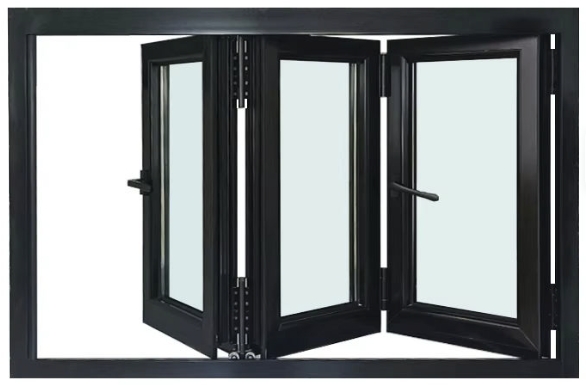
Hurricane resistant aluminum casement windows are increasingly specified for coastal and high-wind regions, but product performance varies significantly. A window that only passes standard wind-load tests is not the same as one engineered and certified to withstand cyclic pressure, debris impact, and extreme hurricane conditions.
For developers, contractors, facade consultants, and procurement teams, choosing the wrong product can result in compliance issues, water damage, and costly repairs. The right hurricane-rated aluminum casement windows provide verified performance, code compliance, and long-term building protection.
This guide explores key factors including frame design, impact-resistant glazing, certification standards, and supplier selection. Whether sourcing for coastal homes, commercial buildings, or high-rise projects, it helps buyers identify reliable window solutions for demanding wind environments.
1. Engineering Fundamentals: What Makes Hurricane Resistant Aluminum Casement Windows Withstand Extreme Weather
1.1 Frame & Hardware Structural Design
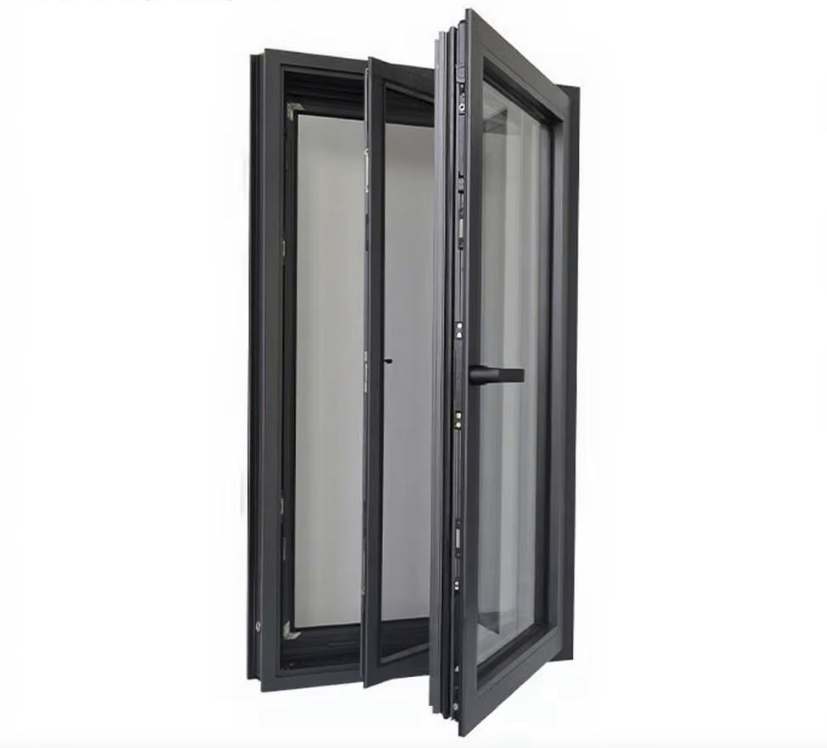
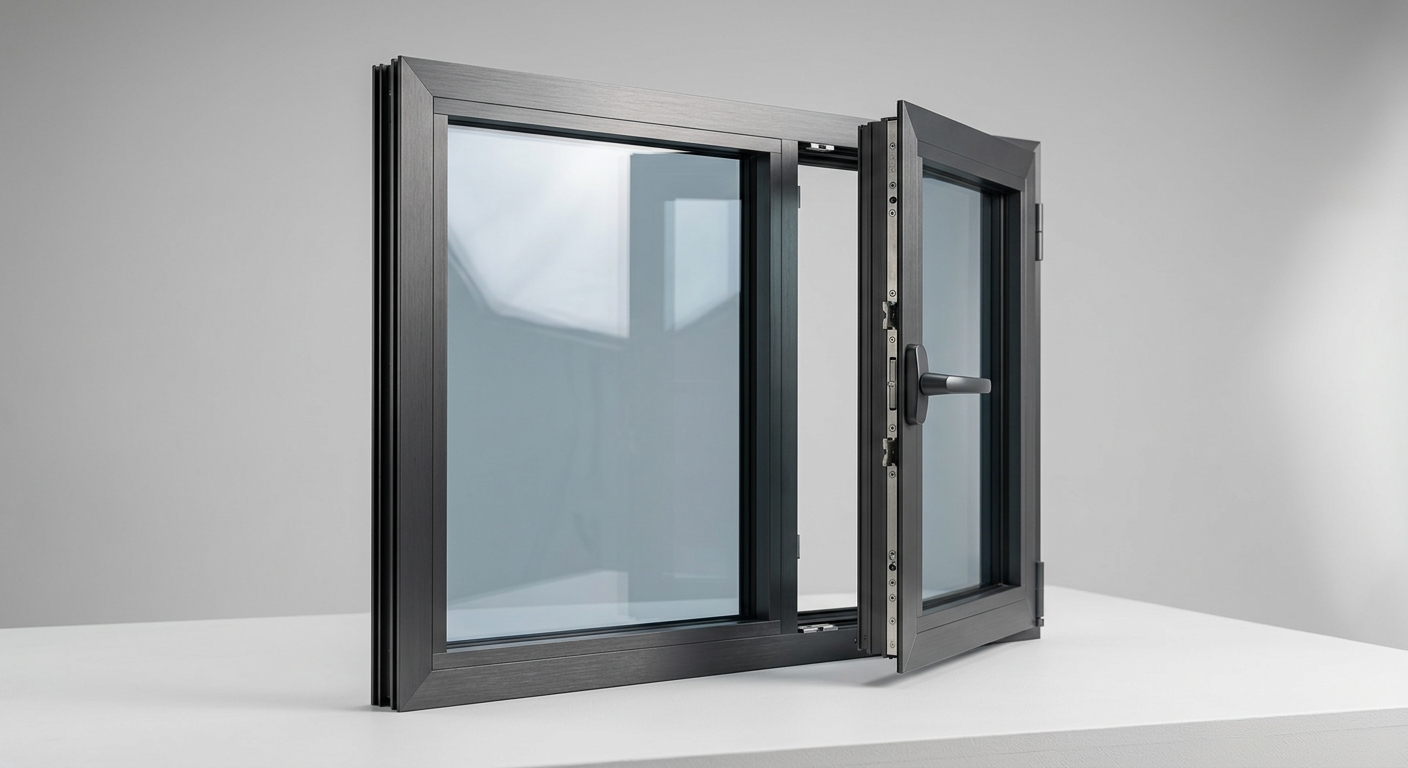
The structural foundation of hurricane resistant aluminum casement windows is the extruded aluminum frame profile. Standard residential windows often use 6063-T5 alloy, while high-wind and hurricane-rated systems typically adopt 6063-T6 or 6061-T6 aluminum alloy for higher strength, improved rigidity, and better resistance to deformation under repeated wind pressure.
Frame thickness also plays a critical role in performance. Hurricane-resistant aluminum windows generally require thicker profiles, typically 1.8 mm to 2.5 mm, compared with thinner standard commercial frames. Thermal break systems, besides improving energy efficiency, can further enhance structural stability through reinforced polyamide components inside the aluminum profile.
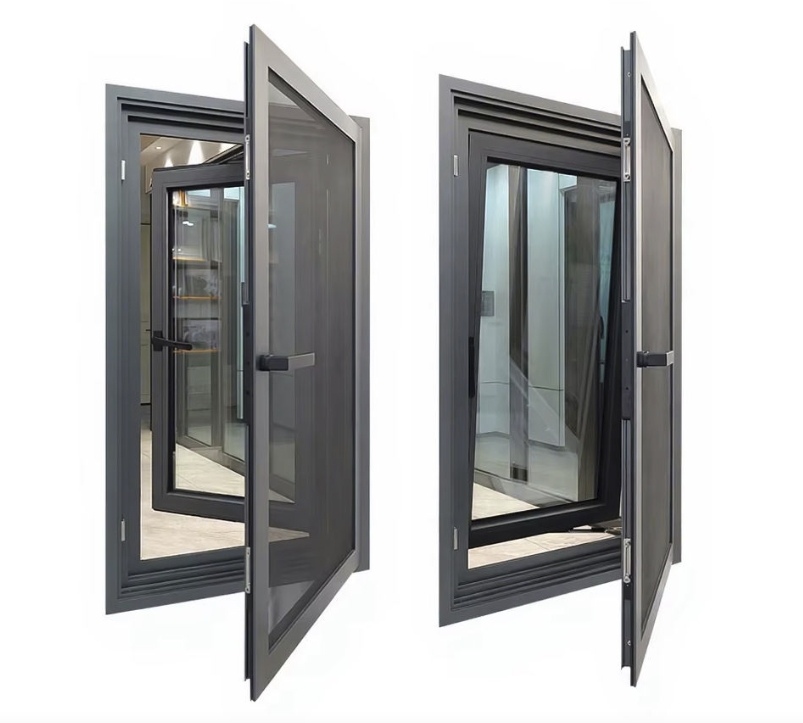
Hardware selection is another key factor affecting storm performance. Multi-point locking systems distribute wind loads across multiple contact points instead of placing stress on a single latch area. For coastal projects, stainless steel or marine-grade hardware is preferred because it provides better corrosion resistance than standard components exposed to salt air.
Corner strength is often overlooked but directly impacts frame stability. Unlike basic mechanically joined corners, hurricane-rated aluminum casement windows typically use reinforced corner keys, structural adhesives, or other high-strength joining methods to help the frame act as one rigid structure during extreme wind events.
1.2 Impact-Resistant Glazing Systems
The glazing system must protect against both extreme wind pressure and wind-borne debris impact. Standard tempered glass is not suitable for hurricane applications because it can break into small fragments after impact, leaving the opening vulnerable.
Laminated glass is the preferred solution for hurricane resistant aluminum casement windows. It consists of multiple glass layers bonded with an interlayer film:
- PVB (Polyvinyl Butyral) interlayer: A widely used option for hurricane impact windows, helping keep broken glass fragments attached after impact while maintaining safety performance.
- SGP (SentryGlas® Plus) interlayer: Provides higher stiffness and structural strength than PVB, making it suitable for larger glass panels, higher DP ratings, and projects requiring improved post-breakage performance.
The connection between glass and frame is equally important. Structural glazing tape, silicone sealing systems, or mechanical glazing beads must match the required design pressure. Proper glass bite depth is essential because insufficient retention can cause glazing failure during repeated hurricane pressure cycles, even when the laminated glass remains intact.
2. Performance Standards & Certification Requirements
2.1 What Certifications Should Hurricane-Resistant Aluminum Casement Windows Have?
A hurricane-resistant aluminum casement window is not defined only by a strong frame or thick glass. Reliable performance depends on verified testing standards that evaluate impact resistance, wind pressure, water infiltration, and structural integrity.
The most commonly referenced certification systems include:
- ASTM E1886 / E1996: These standards evaluate large missile impact resistance and cyclic pressure performance. Compliance demonstrates that the window can withstand wind-borne debris and repeated hurricane pressure changes.
- Miami-Dade Notice of Acceptance (NOA): One of the most demanding approvals for hurricane windows in the U.S. market. Products must pass independent laboratory testing and factory quality inspections. Buyers should verify that the NOA matches the exact window size, glass specification, and installation method.
- Florida Building Code (FBC) Product Approval: Required for many projects in Florida hurricane zones. The approval confirms that the product configuration has been tested according to local building requirements.
- AAMA 506: Often referenced for hurricane-resistant fenestration systems, providing additional guidance for dynamic pressure testing and performance evaluation.
For developers and contractors, certification documentation is just as important as product appearance. A window marketed as “impact-resistant” without verified test reports may not provide the protection or code compliance required for high-risk coastal projects.
2.2 What Is DP Rating for Hurricane-Resistant Aluminum Windows?
Design Pressure (DP) rating measures how much positive and negative wind pressure an aluminum casement window can withstand before structural failure. It is typically expressed in pounds per square foot (psf) and is calculated based on factors such as wind speed, building height, and exposure conditions.
A higher DP rating indicates stronger resistance to extreme wind loads, but the correct rating depends on the project location rather than the hurricane category alone.
For example:
- Coastal residential projects may require DP 40–60 depending on local codes.
- High-rise buildings or exposed coastal developments often require DP 65 or higher.
- Critical facilities may require even higher performance levels.
Procurement teams should confirm that the DP rating applies to the actual window dimensions being purchased. A tested rating for a smaller unit does not automatically guarantee the same performance for larger custom aluminum casement windows.
| Hurricane Category | Approximate Sustained Wind Speed | Minimum Recommended DP Rating |
|---|---|---|
| Category 1–2 | 74–110 mph | DP 40–50 |
| Category 3 | 111–129 mph | DP 50–65 |
| Category 4 | 130–156 mph | DP 65–80 |
| Category 5 | 157+ mph | DP 80+ |
Positive pressure (wind pushing inward) and negative pressure (suction pulling outward) must both be tested, as real hurricane conditions alternate between them in rapid cycles. A window rated DP+50/-50 has been tested to both conditions. Buyers should also confirm that the rated DP applies to the specific size being procured — larger panels inherently face higher loads, and a DP rating established on a 900 × 1200 mm test specimen does not automatically apply to a 1500 × 2100 mm unit.
Hurricane-Rated Aluminum Casement Window Performance Comparison
Parameter Standard Grade Hurricane-Rated Grade High-Performance Grade Frame Alloy 6063-T5 6063-T6 6061-T6 Design Pressure (DP) Rating DP 15–30 DP 40–65 DP 65–90+ Glass Type Tempered monolithic Laminated (PVB 1.52 mm) Laminated (SGP interlayer) Impact Standard Compliance None ASTM E1886/E1996 ASTM E1886/E1996 + Miami-Dade NOA Certifications Held AAMA 101 FBC Product Approval Miami-Dade NOA + FBC Typical Application Zone Inland / low-risk Coastal Zone 3–4 Coastal Zone 4–5 / High-exposure
3. Where Are Hurricane-Resistant Aluminum Casement Windows Used?
3.1 Which Buildings Need Hurricane-Rated Aluminum Casement Windows?
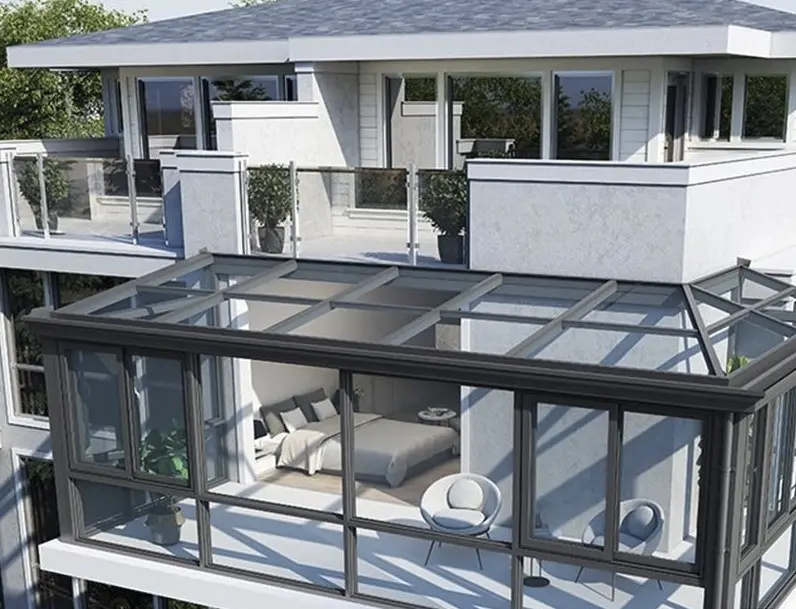
Hurricane-resistant aluminum casement windows are widely specified in coastal and high-wind regions where buildings face extreme pressure, flying debris, and repeated storm exposure. The required performance level depends on building type, location, and local code requirements.
- Coastal residential buildings: Areas such as Florida, the Texas Gulf Coast, and Caribbean regions often require FBC-approved or equivalent hurricane window systems. Casement windows are commonly selected because their compression-sealed design provides strong air resistance while supporting energy efficiency requirements in hot and humid climates.
- Commercial buildings and high-rise projects: Office towers, mixed-use developments, and curtain wall systems in hurricane zones require windows that integrate with the overall facade design. Many commercial applications specify DP 65 or higher ratings to handle increased wind pressure at elevated heights.
- Hotels and coastal resorts: Hospitality projects in hurricane-prone regions require both safety performance and architectural appearance. Thermally broken aluminum casement windows with impact-resistant glazing and verified certifications provide protection without compromising design flexibility.
- Government and critical facilities: Hospitals, emergency centers, and essential buildings may require advanced hurricane-resistant systems that comply with FEMA P-361 or ICC 500 requirements, which exceed standard commercial window specifications.
3.2 Why Does Installation Matter for Hurricane Window Performance?
Even a certified hurricane-resistant aluminum window can fail if it is installed incorrectly. Product approval applies not only to the window itself but also to the approved installation method, including anchors, substrates, and sealing systems.
Key installation considerations include:
- Anchor design and spacing: Installation drawings define anchor size, embedment depth, and spacing requirements. Any deviation may reduce structural performance and affect certification validity.
- Opening preparation: The surrounding wall structure must provide sufficient strength to support wind loads. Concrete, masonry, and wood-frame installations require different preparation methods.
- Perimeter sealing: Proper sealant joints prevent water infiltration during storm conditions while allowing thermal expansion and building movement.
- Professional inspection: For large commercial projects, third-party inspection may be required to verify that installation follows approved hurricane window specifications.
4. Are Hurricane-Resistant Aluminum Casement Windows Worth the Investment?
4.1 Why Are Hurricane Windows More Expensive Than Standard Aluminum Windows?
Hurricane-resistant aluminum casement windows usually cost more than standard aluminum windows because they require stronger profiles, impact-resistant glazing, certified hardware, and additional testing. The final price difference typically depends on glass type, DP rating, and certification requirements.
For procurement teams, the higher initial investment should be evaluated through total cost of ownership rather than upfront price alone.
Key long-term benefits include:
- Lower storm-related losses: Certified impact-resistant windows reduce the risk of glass failure, water intrusion, interior damage, and business interruption after severe storms.
- Potential insurance advantages: In hurricane-prone regions such as Florida and the Gulf Coast, buildings with approved impact-resistant fenestration may qualify for insurance benefits depending on local policies.
- Longer service life: Reinforced aluminum profiles, corrosion-resistant hardware, and high-performance glazing help windows maintain performance in demanding coastal environments for decades.
4.2 How to Choose a Reliable Hurricane Window Supplier?
Not every supplier marketing “hurricane-rated” or “impact-resistant” windows can provide verified performance data. Before placing a large order, buyers should evaluate:
- Certification verification: Request Miami-Dade NOA, FBC approval, or equivalent documentation and confirm that the approval matches the actual product configuration.
- Testing traceability: Verify that test reports come from recognized laboratories and include the same frame profile, glass specification, hardware, and dimensions required for the project.
- Manufacturing quality control: Review factory quality systems, production capabilities, and inspection procedures to ensure consistent product performance.
- Custom size capability: Confirm that the supplier can manufacture windows within approved size limitations without affecting certification compliance.
- Production lead time: Certified hurricane windows require specialized glass, hardware, and quality checks. Confirm realistic delivery schedules before finalizing project timelines.
Preguntas frecuentes
Q1: What DP rating do hurricane windows need?
For Category 4 hurricane zones, aluminum casement windows typically require DP 65 or higher. The exact rating depends on building height, location, exposure category, and local codes. A facade engineer should confirm the required design pressure before specification.
Q2: Are DP ratings enough for hurricane-resistant windows?
No. DP ratings measure wind pressure resistance, while impact testing evaluates debris protection. A reliable hurricane-resistant aluminum casement window should meet both structural and impact requirements, such as ASTM E1886/E1996 or equivalent standards.
Q3: How can I verify a hurricane window supplier’s certification?
Request the supplier’s Miami-Dade NOA, FBC approval, or test reports. Confirm that the certification matches the actual window size, glass type, frame design, and installation method required for your project.
Q4: What glass is used in hurricane-resistant aluminum windows?
Most hurricane-resistant aluminum windows use laminated glass with PVB or SGP interlayers. These systems help prevent glass fragments from separating after impact and improve safety during extreme weather conditions.
Q5: Are aluminum casement windows suitable for coastal areas?
Yes. Aluminum casement windows with corrosion-resistant hardware, reinforced profiles, and certified impact glazing are widely used in coastal regions because they provide durability, weather resistance, and hurricane protection.
Q6: Why do hurricane windows cost more than standard windows?
Hurricane windows cost more because they require stronger aluminum profiles, impact-resistant glass, certified hardware, and additional testing. However, they can reduce storm damage risks and provide better long-term value in high-wind areas.
Conclusión
Certified hurricane-resistant aluminum casement windows provide reliable protection for coastal and high-wind projects, but true performance depends on verified testing, proper installation, and compliance with standards such as Miami-Dade NOA and FBC approval.
For buyers, the key is choosing windows with the right DP rating, impact-resistant glazing, and certification matched to the project requirements. Compared with standard windows, properly engineered systems deliver better safety, durability, and long-term value in demanding environments.
Looking for reliable hurricane-rated aluminum windows for your next project? Contact Tayonwindows to discuss your specifications, certification needs, and customized solutions.