

Introduzione
A well-ventilated balcony can significantly improve the comfort and usability of a living space. However, achieving proper airflow is not as simple as installing any window. The wrong choice can lead to unwanted noise, dust, heat gain, and poor indoor comfort.
Finding the right balance between fresh air, energy efficiency, and protection from outdoor elements is the real challenge. For homeowners, architects, and property developers, the aluminum double-glazed casement window has become a practical solution for balcony applications. But how does this window design actually improve ventilation compared with traditional window systems?
This guide explores how the structure, materials, and double-glazing technology of an aluminum double-glazed casement window work together to enhance balcony airflow, thermal performance, and living comfort, while explaining why it is increasingly chosen for residential buildings, apartments, and commercial projects.
Why Ventilation Matters on a Balcony—and What Usually Goes Wrong
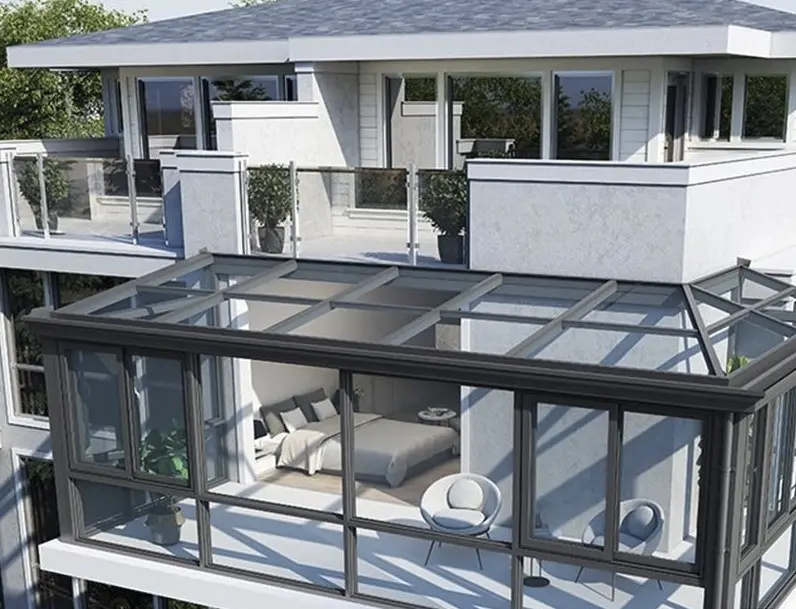
A balcony is not just an architectural afterthought. It is a transitional space that connects indoor living to the outdoors. When ventilation works well, the balcony becomes an extension of the home—a place to relax, entertain, or simply enjoy fresh air. When it fails, the balcony turns into a hot, stuffy, or noisy dead zone. Choosing an aluminum double-glazed casement window can address these issues at their source.
The Common Ventilation Problems Balconies Face
-
Stagnant air. Without proper airflow, balconies trap heat and humidity, making them uncomfortable during warmer months.
-
Noise infiltration. Urban balconies are often exposed to traffic, construction, and street noise that disrupt the peace.
-
Energy loss. Poorly sealed windows allow conditioned air to escape and outdoor air to seep in, driving up heating and cooling costs.
-
Dust and pollutants. Openings that lack proper sealing or screens let in dust, pollen, and exhaust fumes.
-
Condensation and moisture. In humid climates, poor ventilation leads to condensation on windows and surrounding surfaces, promoting mold growth.
The solution is not simply “more openings.” The solution is a window system that controls airflow, blocks noise, insulates against temperature extremes, and keeps out unwanted debris. An aluminum double-glazed casement window addresses each of these problems in ways that other window types simply cannot match.
How Does a Casement Window Design Maximize Airflow on a Balcony?
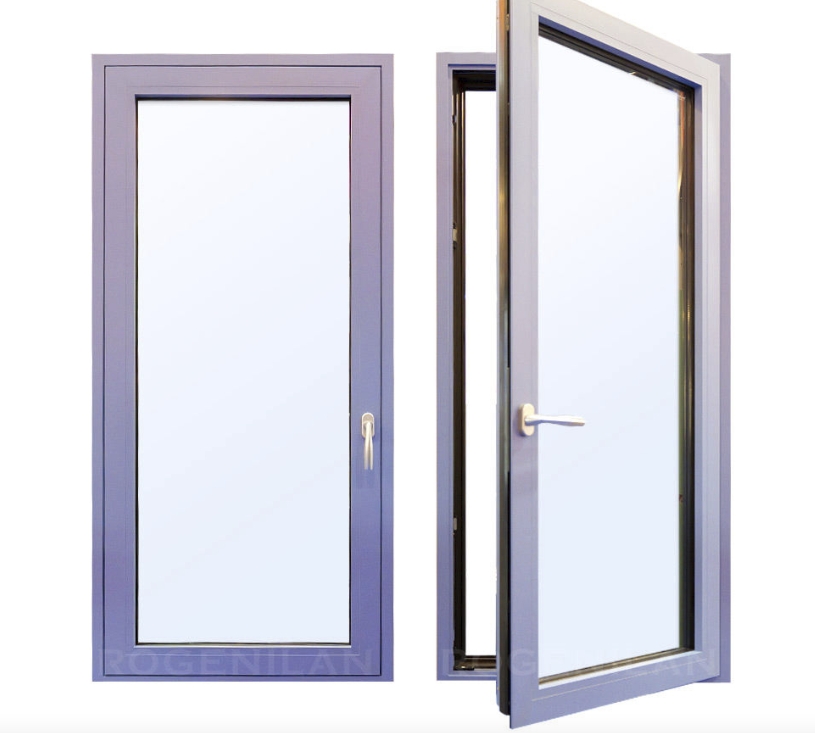
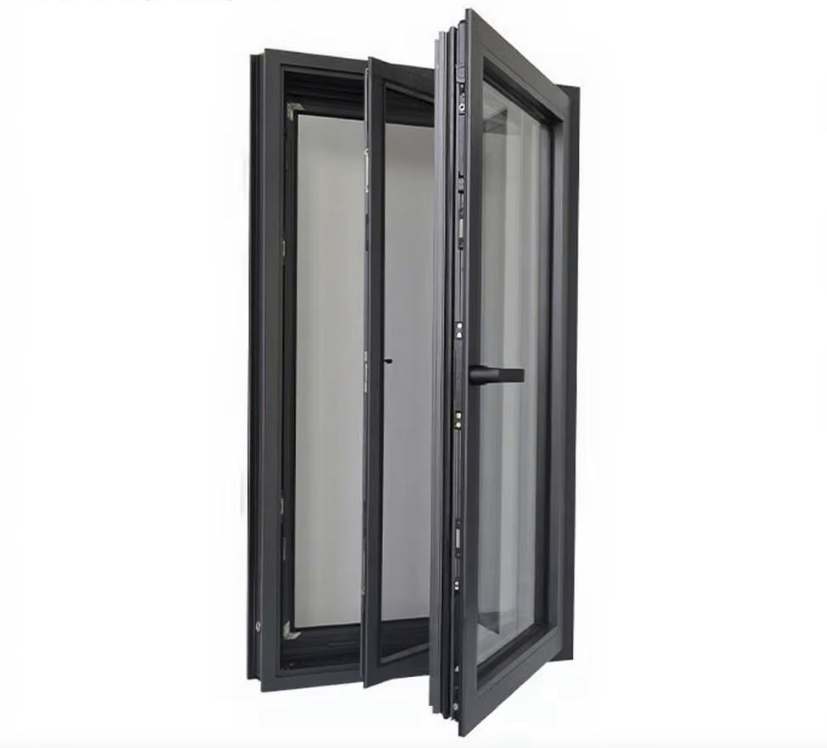
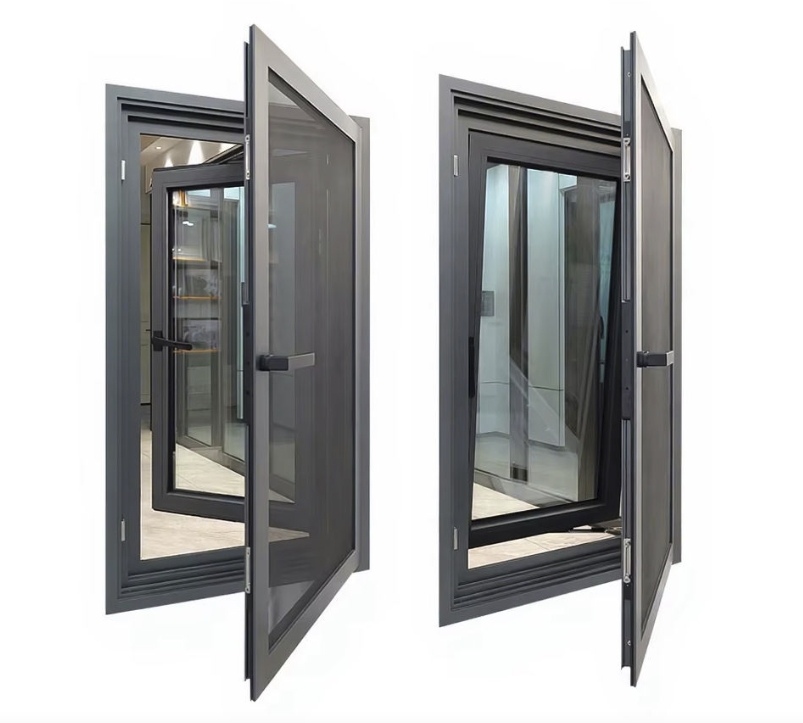
The biggest advantage of a casement window is its full-opening design. Unlike sliding windows that only open part of the frame, a casement window swings outward on side hinges, allowing the entire sash area to support airflow. This is one of the key reasons why an aluminum double-glazed casement window is widely selected for modern residential buildings, apartments, and commercial projects where ventilation performance matters.
Full Opening for Better Ventilation Efficiency
When fully opened, a casement window creates a large, unobstructed ventilation area, allowing air to flow more freely compared with sliding or hung window systems. The compression seal design also provides better airtightness when closed, helping reduce unwanted air leakage while maintaining controlled ventilation.
For architects, contractors, and window suppliers, this combination of ventilation flexibility and sealing performance makes casement systems a practical solution for balcony enclosure projects, especially in urban environments where airflow and comfort must be balanced.
The “Scoop” Effect for Natural Airflow
An outward-opening casement sash can capture passing breezes and redirect airflow into the balcony space. Similar to a natural air guide, the open sash helps channel outdoor air into areas where ventilation is limited.
Compared with sliding windows, which move parallel to the wall and provide less control over airflow direction, an aluminum double-glazed casement window offers greater flexibility for buildings located in dense residential areas, high-rise apartments, and commercial developments.
Multiple Opening Options for Different Applications
Modern casement window systems often support multiple configurations, including casement, awning, swing, and tilt-and-turn functions. This allows users to select different ventilation modes based on weather conditions and building requirements.
For example, full casement opening provides maximum airflow, while awning or tilt modes enable controlled ventilation during light rain or when additional security is required. This versatility makes aluminum double-glazed casement windows suitable for customized architectural projects with different climate and performance needs.
What Role Does Double Glazing Play in Balcony Ventilation?
Effective ventilation is not only about bringing fresh air inside—it is also about maintaining indoor comfort. In an aluminum double-glazed casement window, the glazing system works together with the frame structure to improve thermal performance, acoustic insulation, and overall energy efficiency.
Thermal Insulation for Better Energy Performance
Double-glazed units consist of two glass panels separated by an insulating air or gas layer, reducing heat transfer through the window. Compared with single glazing, double glazing can significantly improve thermal insulation performance, helping buildings maintain more stable indoor temperatures.
For property developers, architects, and construction companies, this means better energy efficiency and improved occupant comfort. The product can also be customized with different glass options, including tempered glass, tinted glass, low-emissivity glass, and triple insulated glass, allowing manufacturers to meet different climate and project requirements.
Noise Reduction Without Sacrificing Ventilation
One challenge with balcony ventilation is that opening windows can introduce external noise. Double glazing helps solve this problem by reducing sound transmission through the glass structure.
This makes aluminum double-glazed casement windows particularly suitable for apartments, hotels, offices, and buildings located near roads or commercial areas. Users can enjoy fresh air while maintaining a quieter indoor environment.
Condensation Control
Condensation is another common issue in enclosed balconies, especially in humid or cold climates. Double glazing helps keep the interior glass surface warmer, reducing temperature differences that cause moisture buildup.
When combined with a well-designed aluminum frame system, it improves long-term durability and reduces maintenance requirements for residential and commercial buildings.
How Does the Aluminum Frame Enhance the Ventilation Experience?
The frame material matters more than many buyers realize. Aluminum brings specific advantages to balcony ventilation that other materials cannot match. When paired with double glazing, an aluminum double-glazed casement window offers a performance profile that is hard to beat.
Strength That Supports Large Openings
Aluminum is strong. This strength allows for larger window sashes and slimmer frame profiles compared to materials like uPVC or wood. A slimmer frame means more glass area, which translates to more natural light and—crucially—a larger opening for ventilation when the window is swung open.
The product specifications confirm the use of 6063-T5 thermal break aluminum profiles. This is a high-strength alloy specifically engineered for architectural applications, providing the structural rigidity needed for large, heavy glazing units.
Thermal Break Technology
Aluminum conducts heat, which is normally a drawback. But thermal break technology solves this problem. A thermal break—an insulating material inserted between the inner and outer aluminum frames—prevents heat from traveling through the frame. This means the frame itself does not become a thermal bridge, undermining the insulation provided by the double glazing.
For balcony ventilation, this matters because it allows the window to be opened without creating a massive thermal leak. The frame stays thermally efficient whether the window is open or closed. This thermal management is a defining feature of the aluminum double-glazed casement window.
Low Maintenance and Corrosion Resistance
Balconies are exposed environments. Rain, humidity, UV radiation, and temperature swings take their toll on window materials. Aluminum is naturally corrosion-resistant and requires minimal maintenance. It does not warp, rot, or swell like wood. It does not degrade under UV exposure like some plastics.
This durability means the window continues to operate smoothly over years of use. The seals remain effective. The hinges stay functional. The ventilation performance does not degrade as the frame deteriorates—because the frame does not deteriorate.
Aluminum Double-Glazed Casement vs. Sliding Window: Which Ventilates Better?
This is one of the most common comparisons buyers make. The answer is clear, but the reasons are worth understanding. An aluminum double-glazed casement window consistently outperforms sliding alternatives in ventilation tests.
| Comparison Point | Aluminum Double-Glazed Casement | Finestra scorrevole |
|---|---|---|
| Maximum opening | 100% of sash area | 50% of the total opening |
| Airflow direction | Can scoop and direct side breezes | Airflow parallel to the wall, no scoop effect |
| Sealing when closed | Compression seals, lower air leakage | Wool strip seals, higher air leakage |
| Ventilation control | Multiple modes (casement, awning, tilt-turn) | Limited to horizontal slide |
| Space requirement | Requires outward clearance | No outward clearance needed |
The performance gap is significant. Casement windows generally have lower air leakage rates than sliding windows because the sash closes by pressing against the frame. This means better control over ventilation when the window is closed—no drafts, no unwanted infiltration.
For balcony ventilation specifically, the casement’s ability to open fully and catch side breezes gives it a decisive advantage. A sliding window simply cannot match the airflow volume or the directional control that an aluminum double-glazed casement window provides.
What Additional Features Make This Window Ideal for Balcony Use?
Beyond ventilation performance, an aluminum double-glazed casement window integrates several features that make it suitable for residential buildings, commercial projects, and modern balcony enclosure applications.
Integrated Fly Screen for Fresh Air Without Insects
The built-in nylon mesh screen allows continuous airflow while preventing insects, dust, and outdoor debris from entering the balcony space. Unlike aftermarket solutions, the integrated screen is designed as part of the window system, ensuring better sealing performance and a cleaner appearance.
The magnetic mesh installation method offers ease of operation while maintaining a secure fit, making it a practical choice for apartments, villas, and high-rise residential projects where natural ventilation is required.
Sound Insulation and Weather Protection
Sound insulation is a key advantage of this window system. Combined with double glazing and the airtight sealing structure of the casement design, it helps reduce external noise while maintaining comfortable indoor environments.
The window is also engineered to withstand outdoor conditions, with functions including heat insulation, waterproofing, wind resistance, and energy saving. These features make it suitable for buildings exposed to changing weather conditions, including coastal areas and urban environments.
Certified Quality for Project Applications
For architects, contractors, and building developers, certification is an important factor when selecting window systems. This product complies with AS2047, CE, and ISO9001 requirements, assuring areas such as structural performance, quality management, safety, and durability.
These certifications help buyers evaluate product reliability and reduce risks during large-scale residential or commercial projects.
Real-World Performance: What Can You Expect After Installation?
An aluminum double-glazed casement window improves balcony performance through a combination of airflow control, thermal efficiency, and acoustic protection.
For residential developments, it provides better natural ventilation while reducing noise and maintaining indoor comfort. For commercial buildings, hotels, and apartment projects, it offers a balance between aesthetics, energy efficiency, and long-term durability.
Key performance benefits include:
- Improved airflow: The full-opening casement design captures natural breezes more effectively than traditional sliding windows.
- Better thermal performance: Double glazing and thermal break aluminum profiles help reduce heat transfer and improve energy efficiency.
- Enhanced noise control: The insulated glass structure reduces external noise, making it suitable for urban applications.
- All-weather ventilation: Awning and tilt modes allow controlled airflow during light rain or changing weather conditions.
- Lower maintenance requirements: Aluminum construction provides corrosion resistance and long-term stability for outdoor applications.
For window distributors, contractors, and project developers, these combined advantages make aluminum double-glazed casement windows a reliable choice for balcony systems that require ventilation, insulation, and durability.
Conclusione
An aluminum double-glazed casement window provides an effective solution for balcony ventilation by combining a full-opening design, double glazing, and durable aluminum construction.
Its casement structure allows better airflow control than traditional sliding windows, while the double-glazed glass improves thermal insulation and noise reduction. Combined with features such as thermal-break aluminum profiles and integrated fly screens, this window system delivers reliable performance for residential buildings, commercial projects, and architectural applications.
For customized window solutions that meet your project requirements, contact our team to discuss glass options, opening styles, and specifications for your aluminum double-glazed casement window.