

Abstract
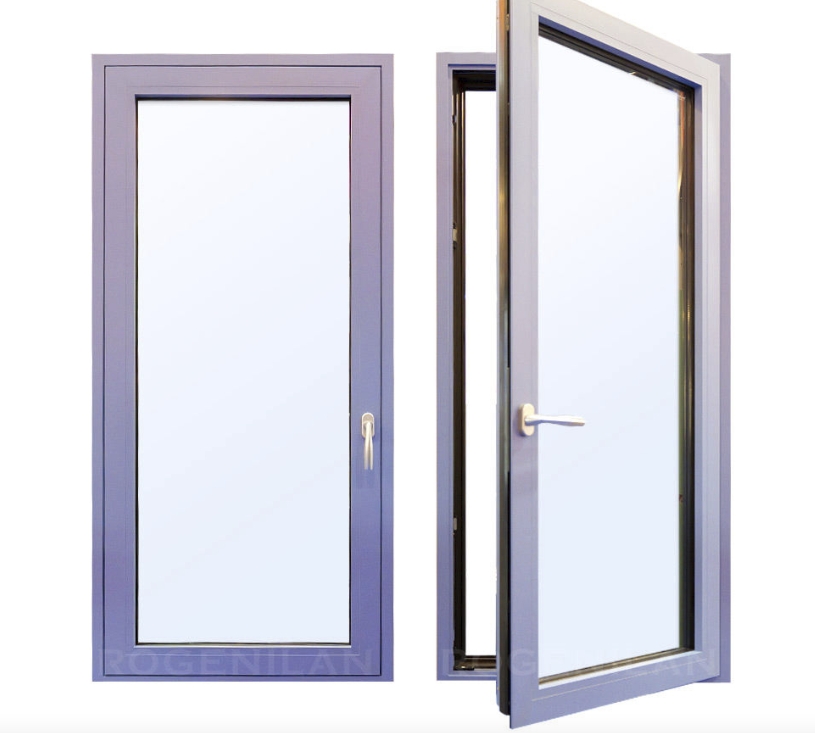
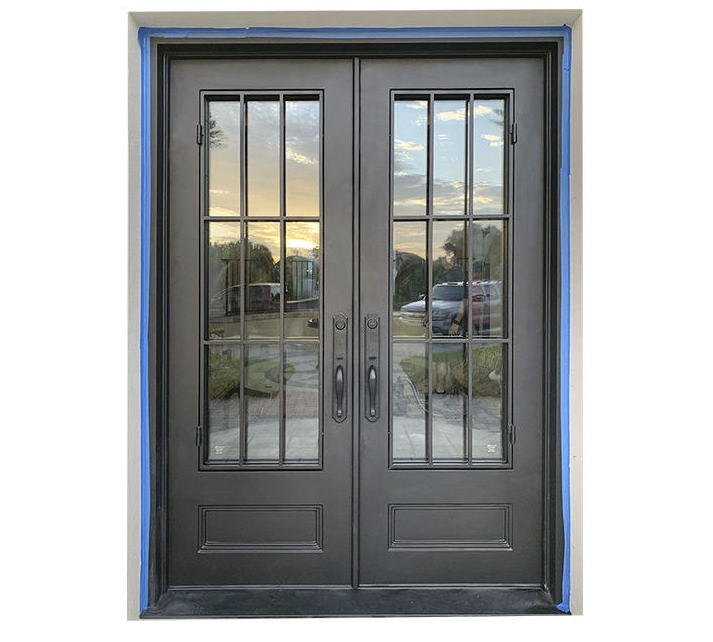
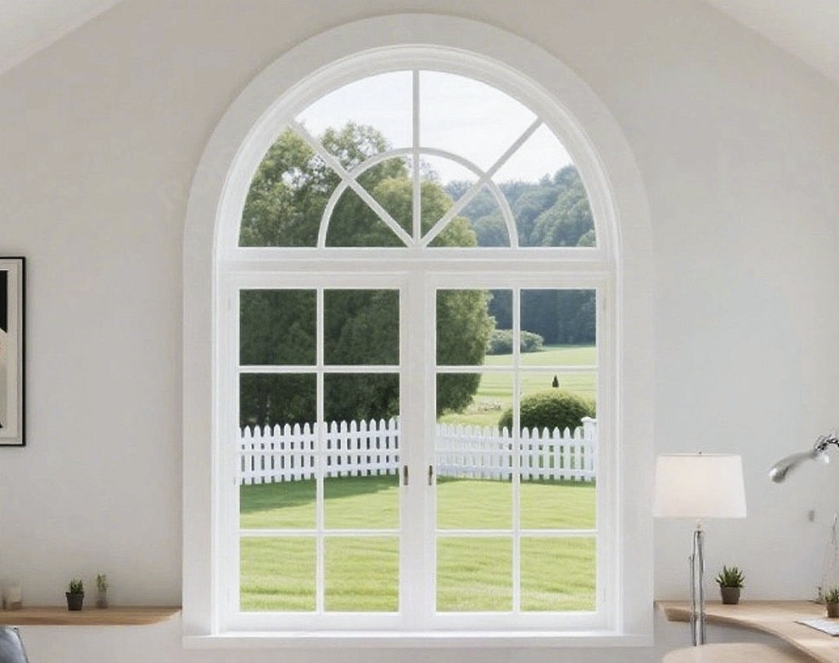
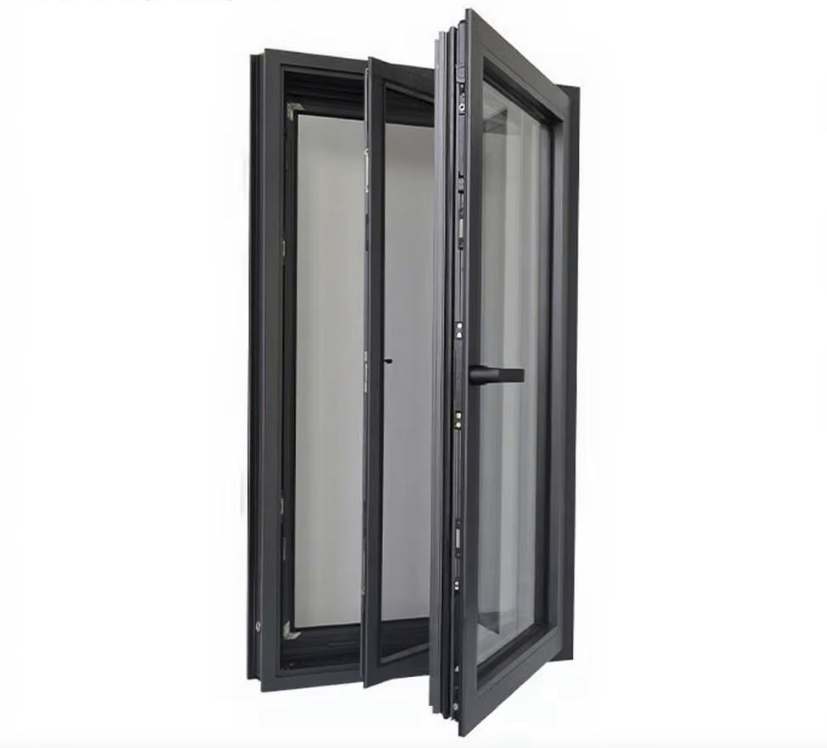
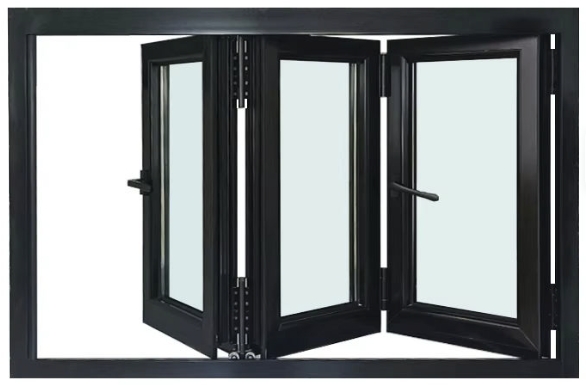
For coastal, hurricane-prone, and high-altitude projects, selecting the right double glazed casement windows is critical to achieving reliable wind resistance, water protection, and long-term building performance. Standard double glazed units suitable for moderate climates may not withstand the higher wind pressures and impact risks found in exposed locations, where certified performance becomes essential.
This article explains the engineering principles, testing standards, and material specifications behind wind-resistant double glazed casement windows. It provides a practical procurement guide covering glass configuration, frame design, hardware selection, certification requirements, and key factors to consider when choosing windows for high-wind environments. Whether used in coastal residential buildings, commercial facades, or offshore facilities, these criteria help project teams select durable and performance-tested window solutions.
1. What Makes a Double Glazed Casement Window Wind-Resistant?
1.1 Wind Load Mechanics and Glass Unit Performance
Wind resistance in double glazed casement windows is not determined by a single property — it is the combined result of how each component responds to dynamic pressure loading. Wind creates both positive pressure (pushing inward) and negative pressure (pulling outward) across the glazing surface and perimeter. The glass pane must resist bending deflection; the spacer bar must maintain cavity integrity; and the interlayer, when used, must help prevent fragment dispersal after breakage.
Glass thickness is the first critical engineering factor. A 4mm pane designed for standard low-rise residential applications may be structurally insufficient for coastal high-rise projects. For high-wind specifications, outer panes typically start at 6mm, while 8mm or 10mm glass configurations are common in hurricane-prone commercial applications. The insulated glass unit (IGU) cavity width — typically 12mm to 20mm — also affects structural performance, as wider cavities may increase deflection under negative pressure if not properly balanced with glass thickness.
The interlayer material is essential for impact resistance. PVB (polyvinyl butyral) is widely used in laminated safety glass because it helps hold fragments together after breakage. SGP (SentryGlas® Plus ionoplast) provides higher tear resistance and post-breakage structural rigidity than PVB, making it a preferred option for ASTM E1996 hurricane impact applications. For high-risk coastal and hurricane zones, laminated glass with an SGP interlayer provides enhanced safety and structural retention after impact.
1.2 Frame and Hardware Engineering Under Pressure
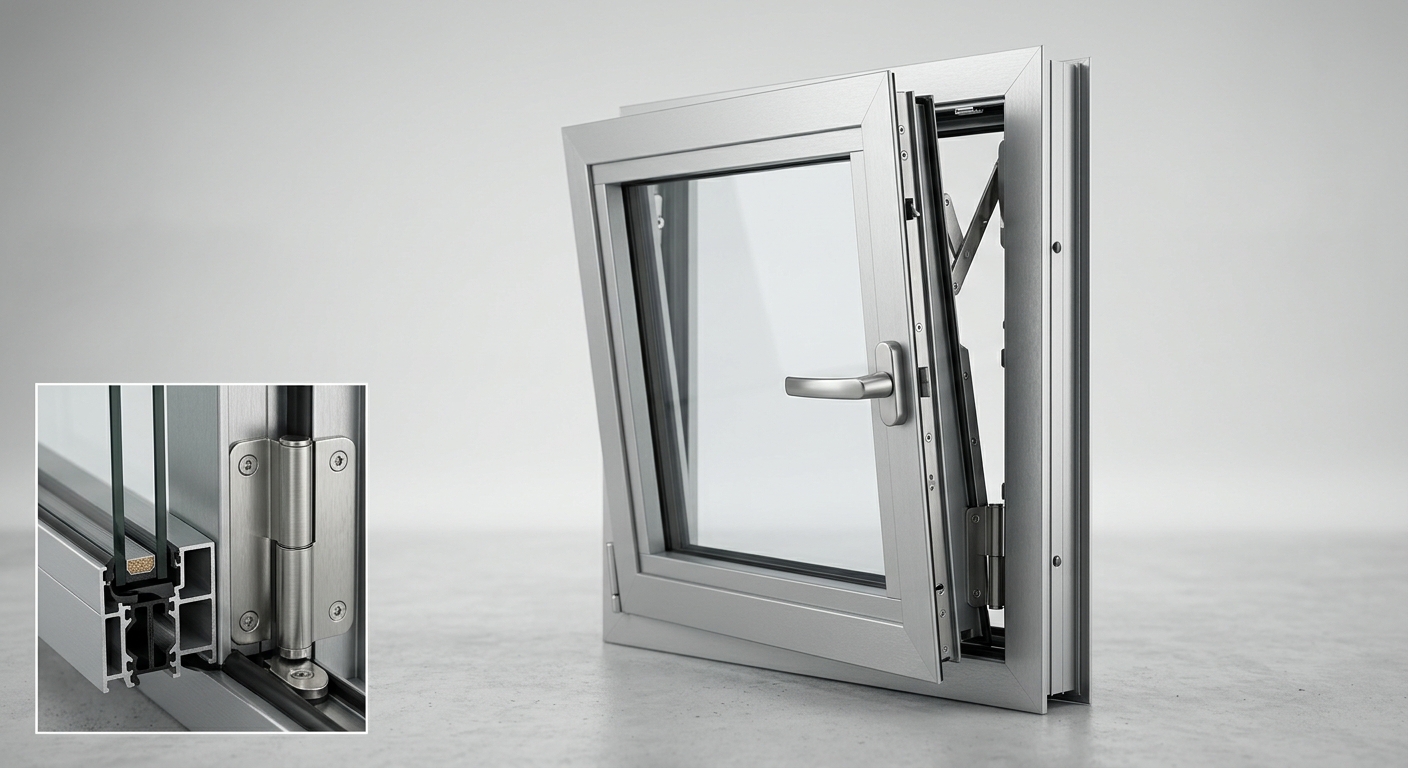
The performance of double glazed casement windows depends not only on the glass unit but also on the strength and stability of the frame system. Under cyclic wind loading, excessive frame deformation can compromise the glass-to-frame seal, increase air and water infiltration, and accelerate hardware fatigue.
Frame material comparison for high-wind applications:
- Aluminium alloy frames (6063-T5 or 6061-T6) provide a high strength-to-weight ratio and are widely used for commercial coastal installations. Thermal break profiles help reduce condensation risks in humid environments, while marine-grade powder coating or anodising (minimum 25 micron) improves resistance to salt spray corrosion.
- uPVC frames with steel reinforcement inserts can provide suitable performance for residential wind ratings up to EN 12210 Class C3, but wall thickness and insert specifications must be verified. Insufficient reinforcement may cause profile deformation under sustained high pressure.
- Timber-composite frames provide aesthetic advantages but require careful moisture management in coastal environments and are less commonly selected for higher wind exposure classifications such as Class C4+.
Hardware performance is equally important. Multi-point locking systems distribute closing force around the full perimeter, helping maintain consistent weather seal compression. Hinge load ratings should match the design wind pressure and window size, as oversized casement windows with undersized hinges may become a potential failure point. Stainless steel Grade 316 hardware is typically specified for marine environments.
2. Key Performance Standards and Certifications to Demand
2.1 International Wind Load and Impact Ratings
Defining a window as “wind-resistant” without referencing recognized testing standards provides limited value for engineering evaluation and procurement decisions. Certified performance data is essential for verifying whether a double glazed casement window can withstand high-wind pressure, impact loads, and repeated weather exposure.
The following international standards are commonly used as benchmarks for high-wind and coastal window applications:
| Standard | Region | Wind Pressure Class | Test Method | Minimum Glass Spec | Project Type |
|---|---|---|---|---|---|
| ASTM E1996 / E1886 | USA | Exposure Category D (coastal) | Large missile impact + cyclic pressure | Laminated (SGP interlayer recommended) | Hurricane zone commercial/residential |
| EN 12210 | Europe | C1–C5 (C4/C5 = high exposure) | Static pressure differential | Laminated or tempered ≥6mm | Coastal facades, high-rise |
| AS/NZS 4420 | Australia/NZ | N1–N6 (N5/N6 = cyclone) | Dynamic pressure cycling | Laminated safety glass | Cyclone-rated residential and commercial |
| GB/T 7106 | Cina | Class 1–9 | Static load test | Tempered or laminated per class | High-rise and coastal commercial |
For US coastal commercial projects, ASTM E1996 compliance is a key requirement because it evaluates both large missile impact resistance and cyclic pressure performance after impact. In Europe, EN 12210 Class C4 or C5 represents a higher exposure classification for demanding facade applications. When sourcing wind-rated double glazed casement windows, procurement teams should request complete test reports rather than relying only on supplier declarations.
2.2 Water Infiltration and Air Leakage Compliance
Wind performance is closely connected with water tightness and air leakage control. A window that withstands structural wind loads but allows water infiltration at 600 Pa may still cause building envelope damage, insulation problems, and long-term maintenance costs.
AAMA/WDMA ratings in North America evaluate water resistance and air leakage performance separately. For coastal commercial applications, AAMA 501.1 water penetration testing is commonly referenced, with requirements typically based on the project’s design wind pressure. In Europe, EN 12208 classifies water tightness from Class 1A for low exposure conditions to Class E1200 for extreme environments. Class 7A or above is often specified for exposed coastal projects.
Long-term sealing performance depends heavily on gasket design. A dual-seal system combines a primary compression seal at the sash-to-frame junction with a secondary drainage seal at the outer perimeter, helping reduce air leakage and prevent water intrusion during pressure fluctuations. For procurement documentation, suppliers should specify the sealing structure and provide verified performance data for the complete window system.
3. Frame Materials and Glass Specifications for Extreme Weather Environments
3.1 Selecting the Right Frame Profile for High-Wind Zones
For aluminium-framed double glazed casement windows installed in coastal areas or high-wind zones, three structural factors determine overall performance: profile wall thickness, reinforcement design, and thermal break configuration.
For C4/C5 or N5/N6 wind exposure applications, structural aluminium casement profiles typically require a minimum wall thickness of 1.8mm–2.0mm. Corner connections and welded joints should be verified to meet the same pressure rating as the complete window system. Heavy-duty commercial profiles may require 2.5mm or thicker sections. For uPVC frames, steel reinforcement inserts should be continuous and appropriately rated, as insufficient reinforcement can lead to profile deformation under sustained wind pressure.
Thermal break design in aluminium frames provides two important advantages in coastal environments: reducing condensation caused by cold bridging and improving long-term frame stability during temperature changes. For marine and salt-spray locations, aluminium profiles should be tested according to ISO 9227 neutral salt spray requirements, with a minimum resistance level of 1,000 hours without base metal corrosion.
3.2 Glass Configuration: Laminated, Tempered, and IGU Options
High-wind insulated glass units (IGUs) can use different glass configurations depending on impact risk, safety requirements, and project conditions:
- Tempered (toughened) glass provides approximately 4–5 times higher strength than standard annealed glass under uniform loading but breaks into small fragments when failure occurs. It is suitable for applications where wind pressure resistance is required but wind-borne impact hazards are limited.
- Laminated glass combines glass layers with PVB or SGP interlayers to maintain structural integrity after breakage and reduce the risk of glass fallout. It is commonly specified for impact-resistant and hurricane-rated double glazed casement window applications.
- Laminated-tempered glass combinations provide enhanced overall protection by combining the impact resistance of tempered outer glass with the post-breakage stability of laminated inner glass. This configuration is widely considered a preferred solution for ASTM E1996 Large Missile impact requirements.
For IGU designs, 16mm–20mm argon-filled cavities combined with Low-E coatings on surface 2 or 3 provide improved thermal efficiency while maintaining structural performance. Although krypton gas offers better insulation, its higher cost limits widespread use in commercial projects. Warm-edge spacer systems, including thermoplastic or stainless-steel designs, further reduce condensation risks in humid coastal environments.
4. Application Scenarios and Commercial Procurement Considerations
4.1 High-Risk Project Environments and Specification Triggers
Wind load ratings become a required specification rather than an optional feature in several high-risk project environments:
- Coastal residential towers above 10 storeys in ASCE 7 Wind Exposure Category C or D areas — increased wind pressure at higher elevations, combined with salt exposure, can significantly reduce the reliability of standard glazing systems.
- Hurricane-zone commercial facades — regions such as Florida, the Gulf Coast, and the Caribbean often require compliance with standards such as ASTM E1996. Windows without verified impact and pressure performance may face difficulties during project approval and certification.
- Offshore and near-shore industrial facilities — continuous wind exposure, corrosive environments, and limited maintenance access make investment in certified wind-rated double glazed casement windows more economical over a 20–25 year service period.
For projects outside mandatory code regions, specification decisions are often influenced by insurance requirements. Many commercial insurers request documented wind resistance and impact performance ratings for facade glazing in coastal locations, even when local regulations do not explicitly require them.
4.2 Total Cost of Ownership vs. Upfront Unit Price
A wind-rated double glazed casement window typically carries a 25–45% higher initial cost compared with standard alternatives. However, the long-term procurement value is determined by several measurable factors:
- Reduced replacement frequency: Standard glazing systems used in high-wind coastal environments may require earlier replacement due to seal degradation, hardware corrosion, or impact-related damage. Certified wind-rated systems are designed for extended service life with documented warranty support.
- Compliance and documentation value: Third-party test reports covering ASTM, EN, or AS/NZS standards are increasingly requested for project approval, insurance evaluation, and building certification. Selecting non-certified products may create documentation issues and delay project progress.
- Risk reduction: Window failure in commercial buildings can result in water damage, glass-related safety risks, and structural envelope problems. Verified performance documentation helps procurement teams reduce potential project risks.
When sourcing high-performance double glazed casement windows, suppliers should provide complete test reports with accredited laboratory information, system-level certification covering the full assembly, and warranty terms clearly defining the applicable wind pressure rating.
How to Select a Reliable Double Glazed Casement Window Supplier
Choosing the right double glazed casement window supplier requires more than comparing product prices. For coastal, hurricane-prone, or high-wind projects, supplier capability directly affects certification compliance, installation performance, and long-term reliability.
A reliable supplier should provide complete third-party test reports covering wind pressure resistance, impact performance, air leakage, and water tightness. Certifications such as ASTM E1996/E1886, EN 12210, or AS/NZS 4420 should apply to the complete window system, including glass, frame, hardware, and sealing components.
Customization capability is also important, especially for commercial and architectural projects with specific wind loads, dimensions, and facade requirements. An experienced double glazed casement window manufacturer should be able to provide suitable glass configurations, frame designs, and technical support based on project conditions.
Before selecting a supplier, evaluate material quality, production control, engineering support, and after-sales service. A certified and experienced supplier can help reduce compliance risks, improve project efficiency, and deliver long-term value beyond the initial purchase cost.
FAQ
Q1: What wind rating is needed for hurricane zones?
For US hurricane projects, ASTM E1996 impact compliance is commonly required. Coastal buildings may also require EN 12210 Class C4/C5 or equivalent ratings depending on location, building height, and local wind conditions.
Q2: Can standard double glazed casement windows be upgraded for high-wind applications?
Not usually. Impact-rated performance requires the complete window system, including glass, frame, hardware, and seals, to be tested together. Upgrading only the glass does not create a certified high-wind assembly.
Q3: What certifications should a window supplier provide?
Suppliers should provide third-party test reports, system-level certifications, wind pressure ratings, water tightness results, and warranty details. The tested configuration should match the actual supplied double glazed casement window system.
Q4: Are double glazed casement windows suitable for coastal areas?
Yes, when properly specified. High-performance double glazed casement windows with corrosion-resistant frames, laminated glass, and tested sealing systems can provide reliable performance in coastal environments.
Q5: What factors affect a window’s wind resistance?
Wind resistance depends on glass thickness, frame strength, hardware design, sealing performance, installation quality, and the overall tested system configuration.
Q6: How long can wind-rated double glazed casement windows last?
Certified wind-rated window systems can provide long service life when properly installed and maintained. Actual lifespan depends on materials, environmental exposure, hardware quality, and maintenance conditions.
Conclusione
A reliable double glazed casement window for high-wind environments depends on certified performance, suitable glass configurations, durable frame systems, and verified testing standards. Selecting the right solution requires matching wind ratings, materials, hardware, and project requirements rather than relying on product claims alone.
For coastal, hurricane-prone, or high-exposure projects, working with an experienced supplier can help ensure compliance, reduce long-term maintenance risks, and improve building safety. Contact Tayon for professional guidance and customized wind-rated window solutions tailored to your application needs.