
Abstract
As glamping and eco-resort development accelerates globally, operators face a critical infrastructure decision: how to deliver premium bathroom amenities in remote, off-grid, or environmentally sensitive locations without sacrificing guest comfort or operational reliability. Freestanding Four Season Solar Bathrooms have emerged as a purpose-engineered solution — combining self-supporting structural design, photovoltaic energy systems, and climate-rated insulation into a single deployable unit.
This article provides procurement decision-makers with a data-driven evaluation framework covering structural configuration, foundation compatibility, four-season thermal performance, and total cost of ownership. Whether you are developing a 5-unit boutique glamping retreat or scaling a 50-pod resort campus, understanding the site-specific trade-offs of freestanding solar bathroom units is essential to maximizing ROI and minimizing long-term operational complexity.
1: What Defines a Freestanding Four Season Solar Bathroom
1.1: Core Structural Characteristics
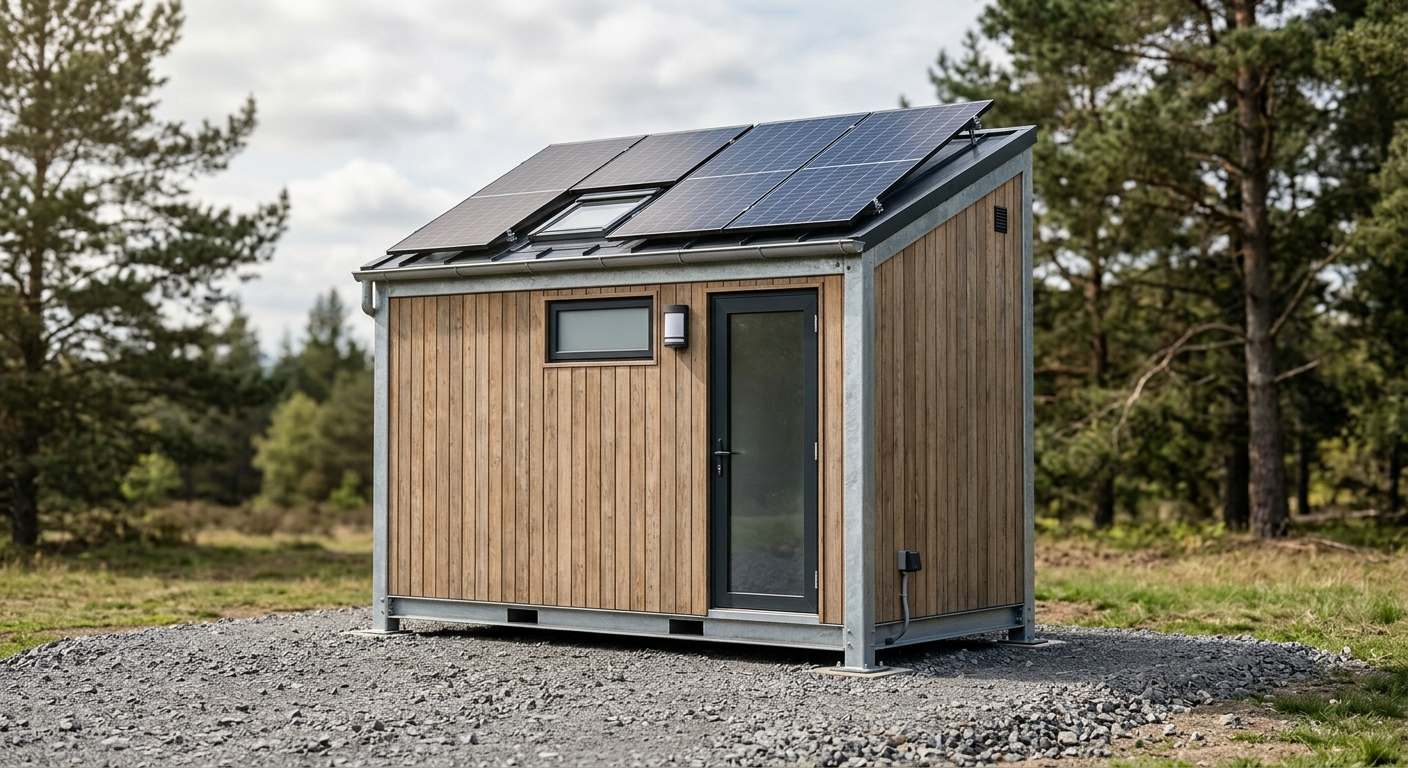
A freestanding Four Season Solar Bathroom is architecturally distinguished by its self-supporting frame — a galvanized or powder-coated steel chassis engineered to bear structural loads without attachment to an existing building or permanent foundation wall. This independence is the defining commercial advantage: the unit can be positioned, repositioned, or removed without modifying surrounding infrastructure.
The enclosure system typically uses Structural Insulated Panels (SIPs) or foam-core composite wall and roof panels, which deliver both thermal resistance and structural rigidity in a single assembly. Exterior cladding options range from weathered timber composite to fiber cement board, allowing visual integration with resort aesthetics. Interior surfaces are moisture-resistant and designed for high-humidity bathroom environments — typically featuring antimicrobial wall panels, non-slip flooring, and corrosion-resistant fixtures.
Key structural specifications that distinguish commercial-grade units include:
- Steel chassis gauge: 2–3 mm galvanized steel for load distribution and ground anchoring
- Panel thickness: 100–150 mm SIP walls providing both insulation and structural support
- Roof load rating: Engineered to handle snow loads of 1.5–2.0 kN/m² for northern climate deployment
- Modular footprint: Standard units range from 4 m² (single-user) to 12 m² (multi-fixture resort configuration)
This modular independence means a resort operator can deploy bathroom units in phased stages, adjusting site density as occupancy grows — without committing to permanent construction at each stage.
1.2: How Solar Integration Powers Year-Round Operation
The solar system embedded in a Four Season Solar Bathroom is not a supplementary feature — it is the primary energy infrastructure. A typical commercial unit integrates monocrystalline PV panels (300–400W per panel) mounted on the roof structure at an optimized tilt angle for the installation latitude. These panels charge a lithium iron phosphate (LiFePO₄) battery bank, which powers all on-demand electrical loads including water heating, ventilation, lighting, and smart controls.
Core solar system components and their operational roles:
- PV array: 600W–1,200W capacity depending on unit size and climate zone
- Battery storage: 5–15 kWh LiFePO₄ bank providing 2–4 days of autonomous operation
- Solar water heater: Evacuated tube or flat-plate collector for domestic hot water, reducing electrical draw by 60–70%
- LED lighting + ventilation: Low-draw DC systems that extend battery autonomy during low-generation periods
- Charge controller / inverter: MPPT charge controllers maximize energy harvest across variable light conditions
This integrated approach eliminates the need for grid connection or diesel generator backup in most climate scenarios, directly reducing both CapEx (no trenching or grid extension) and OpEx (no utility bills or fuel costs).
2: Foundation & Site Preparation Requirements
2.1: Ground Conditions and Anchoring Options
One of the most commercially significant advantages of freestanding Four Season Solar Bathrooms is foundation flexibility. Unlike permanent bathroom structures requiring deep concrete footings or full slab preparation, freestanding units can be anchored using three primary methods — each suited to different site conditions and budget parameters.
| Foundation Type | Site Disruption Level | Installation Time | Estimated Cost Range | Suitable Terrain | Off-Grid Compatible |
|---|---|---|---|---|---|
| Concrete Slab | High | 3–5 days (cure time) | $800–$2,000 per unit | Flat, stable soil | Yes |
| Ground Screws | Low | 4–8 hours | $400–$900 per unit | Most soil types, slopes up to 15° | Yes |
| Compacted Gravel Pad | Very Low | 2–4 hours | $200–$500 per unit | Well-draining flat terrain | Yes |
| Deck/Platform Frame | Medium | 1–2 days | $600–$1,500 per unit | Uneven or rocky ground | Yes |
Ground screws have become the preferred anchoring method for glamping operators due to their minimal site disturbance, reversibility, and compatibility with sloped terrain. A standard four-point screw anchor system can be installed in under a day with hand-held equipment, requiring no concrete mixing or extended curing periods.
2.2: Utility Connection vs. Full Off-Grid Configuration
Freestanding solar bathrooms are engineered for three deployment scenarios: full off-grid, hybrid (solar + utility backup), and utility-connected with solar offset. For remote glamping sites, the full off-grid configuration is most operationally relevant.
In a no-trench off-grid setup:
- Greywater is managed via a compact biofilter or constructed wetland system positioned adjacent to the unit — no sewer connection required
- Composting toilets eliminate blackwater entirely, removing the need for septic infrastructure
- Freshwater supply uses a gravity-fed tank (500–1,000L) filled by rainwater harvesting or periodic tanker delivery
- All electrical systems operate from the onboard solar-battery array
This configuration reduces site preparation costs by 40–60% compared to utility-connected installations requiring trenched water, sewer, and electrical runs across remote terrain.
3: Thermal Performance Across Four Seasons
3.1: Insulation Standards and Climate Ratings
Four Season designation is not a marketing label — it requires verifiable thermal performance data. Commercial-grade freestanding solar bathrooms should meet or exceed the following benchmarks:
- Wall R-value: R-20 to R-30 (equivalent to 100–150 mm polyurethane foam core panels)
- Roof R-value: R-30 to R-40 for cold-climate deployments
- Floor insulation: R-15 minimum with thermal break between chassis and panel system
- Air infiltration: ≤0.6 ACH50 per ASHRAE 62.2 standards for controlled ventilation
These specifications ensure interior temperatures remain within the 18–22°C comfort range even when exterior temperatures drop to -20°C, provided the heating system operates within design parameters. Units deployed in USDA Hardiness Zones 3–5 or equivalent European climate classifications should require documented cold-climate certification from the manufacturer.
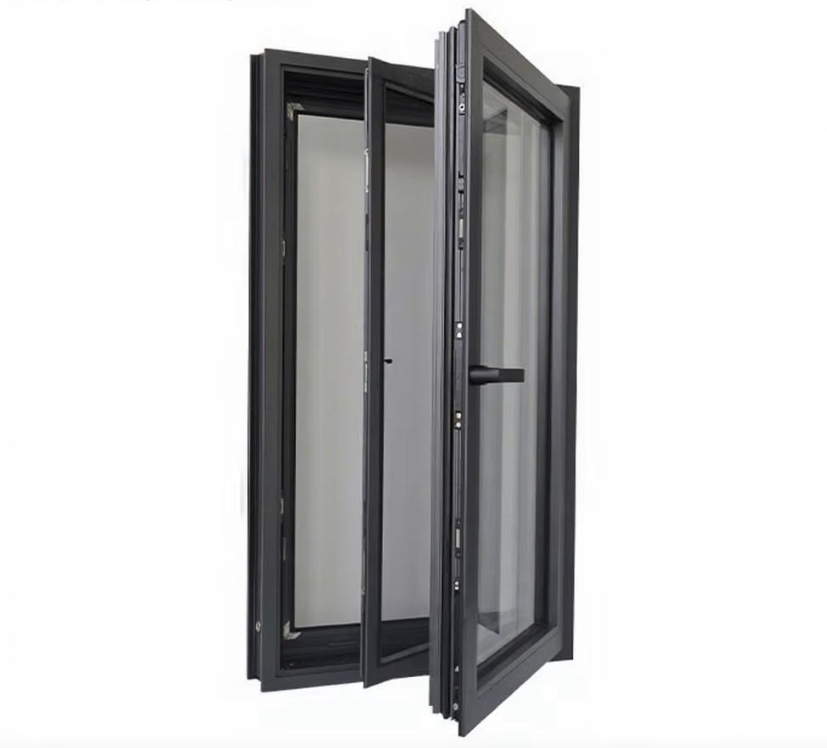
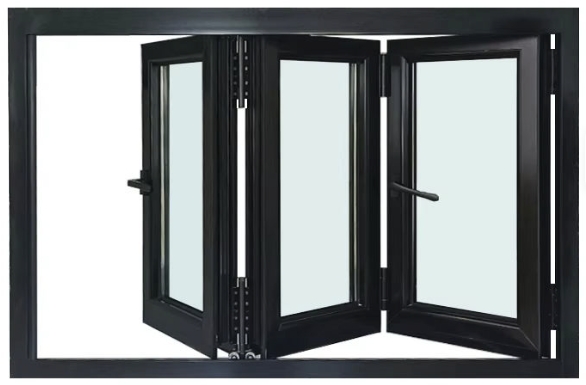
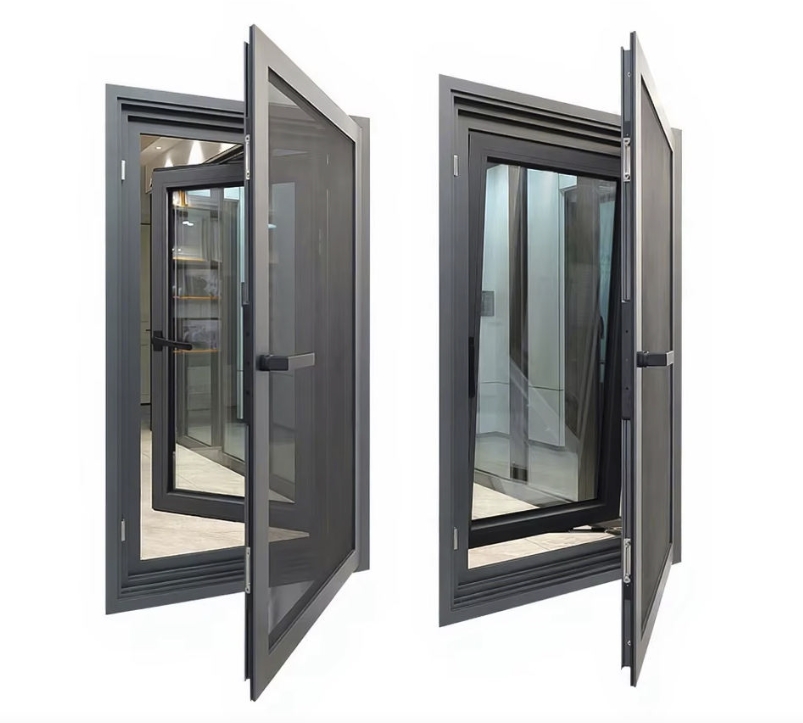
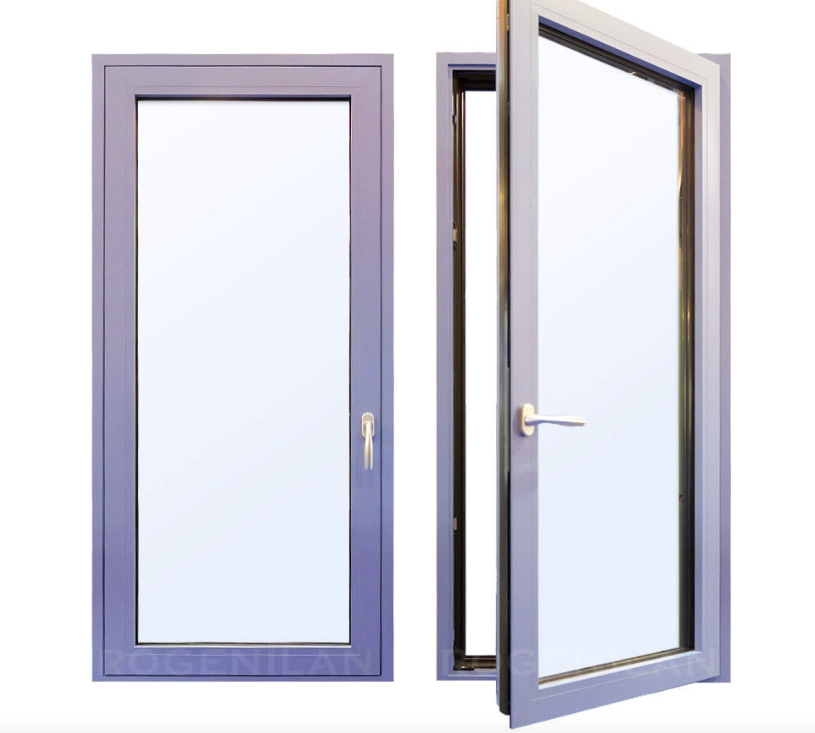
Door and window assemblies — typically double or triple-glazed with thermally broken frames — are critical weak points in the thermal envelope. Procurement teams should verify U-values ≤1.4 W/m²K for fenestration components.
3.2: Solar Thermal Efficiency in Low-Light Seasons
Winter solar yield is the most scrutinized performance variable for year-round operation. In northern latitudes (above 45°N), December solar irradiance can drop to 1.5–2.5 peak sun hours per day — compared to 5–6 hours in summer. A well-designed system accounts for this through:
- Oversized battery storage: 10–15 kWh capacity provides 3–4 days of autonomy during consecutive overcast days
- Evacuated tube solar collectors: Outperform flat-plate collectors in diffuse light conditions, maintaining efficiency at temperatures as low as -30°C
- Freeze-protection protocols: Glycol-based heat transfer fluid in solar thermal loops; self-draining configurations for extreme cold zones
- Load management: Smart controllers prioritize water heating during peak generation windows, reducing evening battery draw
Operators in high-latitude or high-altitude sites should request winter performance modeling from suppliers — specifically daily energy balance calculations for the lowest-irradiance month at the installation latitude.
4: Commercial Application Scenarios & Cost Justification
4.1: Resort & Glamping Site Deployment Models
Freestanding solar bathrooms generate direct revenue through two mechanisms: enabling premium accommodation pricing and reducing per-unit infrastructure cost relative to permanent construction. A private bathroom unit attached to or positioned near a glamping tent or cabin allows operators to position that accommodation in the $150–$400/night tier — a 40–80% premium over shared-bathroom configurations in comparable markets.
For multi-unit resort development, deployment density planning is critical:
- Cluster model: 4–6 accommodation units sharing 2 solar bathroom pods, reducing hardware cost per bed while maintaining guest privacy
- Dedicated model: One bathroom unit per accommodation unit, maximizing per-night revenue and guest satisfaction scores
- Phased expansion: Begin with 4–6 units; add bathroom pods as occupancy data justifies — no permanent infrastructure commitment required
The freestanding format also simplifies permitting in jurisdictions that distinguish between temporary/relocatable structures and permanent construction, often allowing faster approval timelines and lower permit fees.
4.2: Total Cost of Ownership vs. Traditional Bathroom Structures
| Cost Category | Traditional Permanent Bathroom | Freestanding Solar Bathroom |
|---|---|---|
| Construction / Unit Cost | $15,000–$40,000 | $12,000–$28,000 |
| Site Preparation | $3,000–$10,000 | $500–$2,000 |
| Utility Connection | $2,000–$15,000 | $0 (off-grid) |
| Annual Energy Cost | $800–$2,400 | $0–$200 (maintenance only) |
| Permitting Complexity | High (permanent structure) | Low–Medium (relocatable) |
| Relocation / Resale Value | None | High |
Over a 7-year operational horizon, a freestanding solar bathroom unit typically achieves 15–30% lower total cost of ownership compared to equivalent permanent construction — driven primarily by eliminated utility costs, reduced site preparation, and the asset’s residual resale or relocation value.
FAQ
Q1: Can a freestanding solar bathroom maintain hot water supply during consecutive cloudy days in winter?
Yes, provided the system is correctly sized for the installation latitude. A 10–15 kWh LiFePO₄ battery bank combined with an evacuated tube solar collector provides 3–4 days of hot water and electrical autonomy without solar input. For sites with more than 4 consecutive low-irradiance days as a design scenario, a small propane backup water heater is recommended as a secondary system — adding minimal cost while eliminating operational risk.
Q2: What foundation type is required for a soft-soil or sloped glamping site?
Ground screws are the recommended solution for both soft-soil and sloped terrain. Helical screw anchors can be installed to depths of 1.2–2.0 m, bypassing unstable surface soil to reach load-bearing strata. For slopes up to 15°, adjustable-height screw anchors allow the chassis to be leveled without earthworks. For slopes exceeding 15°, a timber or steel platform frame is advisable to distribute load evenly.
Q3: How long does installation take for a multi-unit resort deployment, and what site access is needed?
A single freestanding solar bathroom unit can be installed in 1–2 days with a crew of 2–3 technicians, assuming ground screw anchoring and pre-fabricated utility connections. For a 10-unit resort deployment, total installation typically runs 10–15 working days. Site access requirements are minimal — a standard flatbed delivery vehicle and a small crane or telehandler for unit placement. No heavy excavation equipment is required for off-grid configurations.
Conclusion
Freestanding Four Season Solar Bathrooms deliver maximum site value when three conditions align: the location is remote or utility-connection costs are prohibitive, the operator requires scalable infrastructure that can expand with occupancy growth, and the project demands year-round guest comfort without permanent construction commitment.
For resort and glamping operators, the combination of solar-powered autonomy, flexible foundation options, and climate-rated thermal performance creates an infrastructure asset that reduces both development risk and long-term operating costs. The freestanding format’s permitting advantages and residual asset value further strengthen the financial case relative to permanent bathroom construction.
Procurement teams should prioritize suppliers who provide documented R-value certifications, winter solar performance modeling for the specific installation latitude, and ground screw anchoring compatibility assessments — these three data points are the most reliable indicators of whether a unit will perform as specified across all four seasons at your site.
Target Tags: Four Season Solar Bathrooms · freestanding solar bathroom · off-grid glamping bathroom · solar powered bathroom for resort · four season outdoor bathroom structure