

Abstract
For building procurement officers, project engineers, and developers operating in hurricane-prone coastal regions, the question of window safety is not rhetorical—it is a code compliance, liability, and life-safety issue. Hurricane-resistant hinged casement windows have emerged as a technically credible solution for high-wind-exposure buildings, but their safety credentials depend entirely on verifiable standards, certified testing protocols, and disciplined installation practices.
This article systematically evaluates the safety basis for hurricane-resistant hinged casement windows across four critical dimensions: structural component design, wind load and impact test standards, real-world structural integrity under storm conditions, and commercial procurement considerations. The goal is to equip decision-makers with a rigorous, standards-grounded evaluation framework—one that distinguishes genuinely certified products from those that merely market hurricane resistance without substantiating documentation.
Whether specifying for a mid-rise coastal hotel, a waterfront residential development, or an industrial facility in a FEMA High-Wind Zone, understanding what “hurricane-resistant” actually requires in engineering terms is the foundation of defensible procurement.
1. What Makes a Casement Window Truly Hurricane-Resistant?
1.1 Core Structural Components and Design Logic
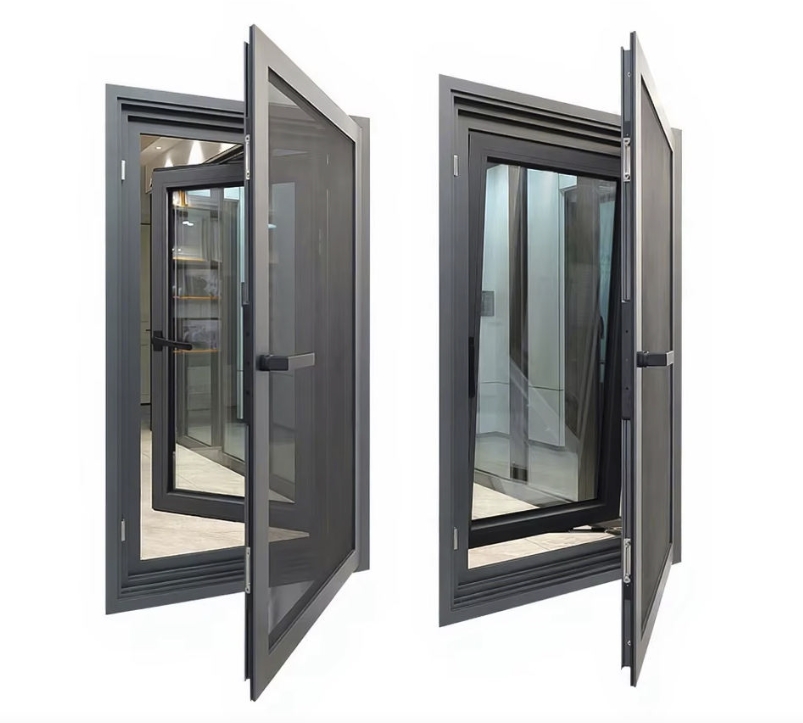
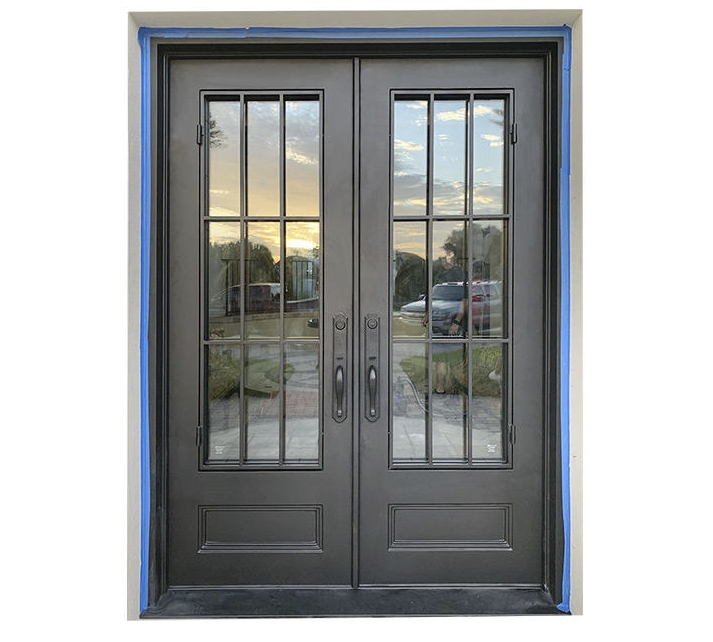
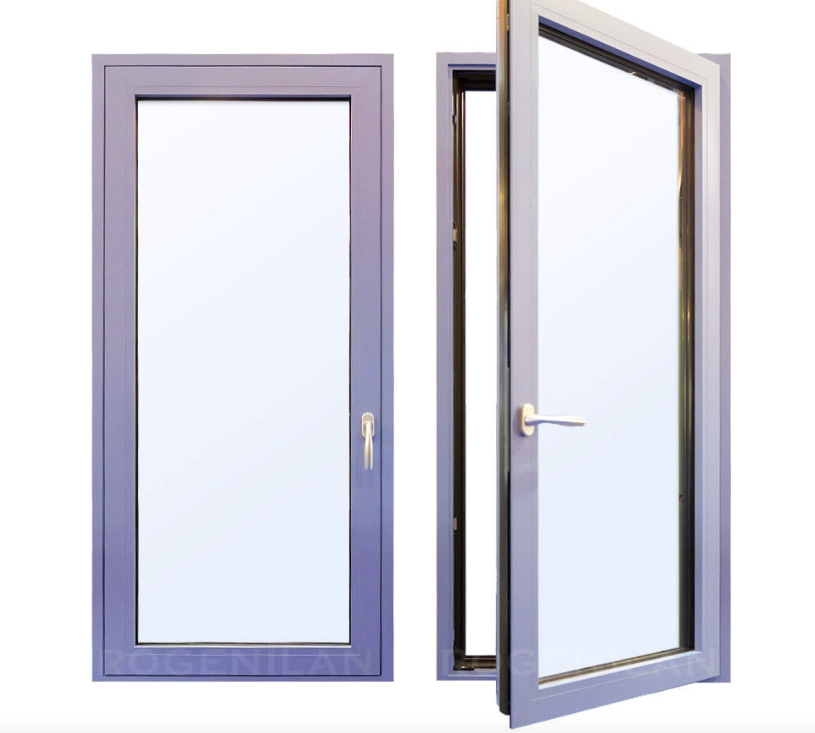
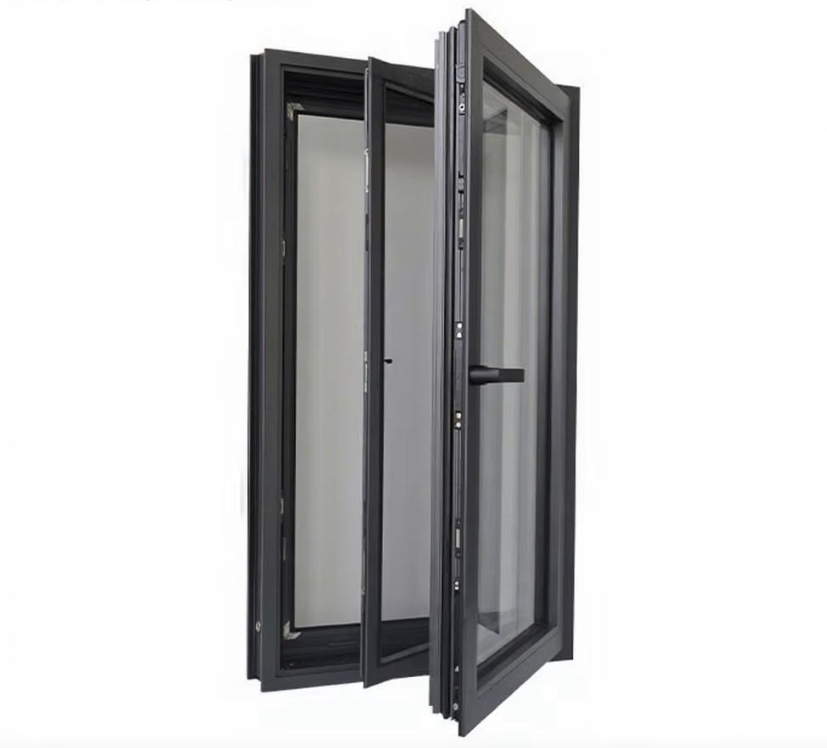
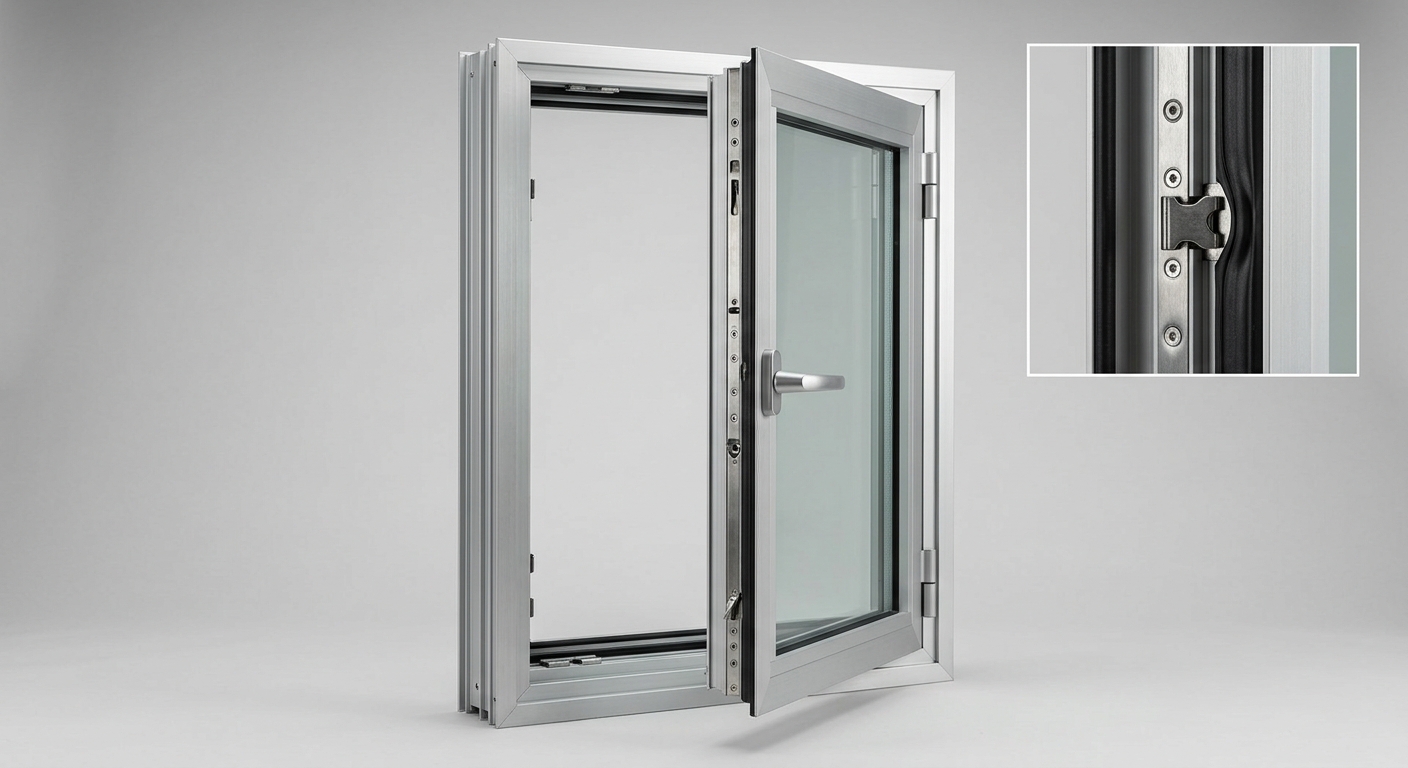
A hurricane-resistant hinged casement window achieves its protective performance through three interdependent structural layers—not any single material or feature.
Frame material selection is the first layer. High-grade aluminum alloy profiles (typically 6063-T5 or 6061-T6) dominate commercial hurricane applications due to their superior strength-to-weight ratio, dimensional stability under thermal cycling, and resistance to the salt-laden humidity characteristic of coastal environments. Reinforced uPVC frames are viable for lower-exposure residential applications, while fiberglass composite frames offer a premium alternative where thermal performance and corrosion resistance must be simultaneously optimized.
Multi-point locking mechanisms constitute the second layer. Unlike standard single-latch casement hardware, hurricane-rated units incorporate multi-point locking bars that engage simultaneously at three to five perimeter points when the sash is closed. This distributed clamping force prevents the sash from flexing, racking, or disengaging under the asymmetric pressure differentials that characterize hurricane wind loading.
Laminated impact glazing is the third and most visible layer. Compliant units use laminated interlayer glass—typically two lites of tempered or heat-strengthened glass bonded with a 0.090″ or 0.060″ PVB (polyvinyl butyral) or SGP (SentryGlas Plus) interlayer. When impacted, the glass fractures, but the interlayer retains the fragments, preventing breach of the building envelope. SGP interlayers offer approximately five times the tear resistance of standard PVB, making them the preferred specification for large-missile impact zones.
Together, these three components create a system where structural failure of any single element does not automatically compromise the window’s protective function—a design redundancy that is fundamental to certified hurricane performance.
1.2 How Hinged Casement Design Responds to Wind Pressure
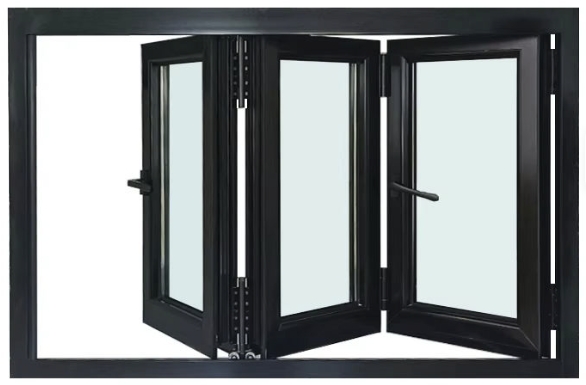
The hinged casement configuration presents a specific mechanical response to hurricane wind loads that differs meaningfully from sliding or fixed window systems. In a casement window, the hinge axis runs vertically along one jamb, meaning wind pressure loads are transferred directly through the hinge assembly into the frame and ultimately into the wall substrate.
Under positive wind pressure (wind pushing inward), the multi-point locking mechanism bears the primary load, distributing force across the full perimeter seal. Under negative wind pressure (suction pulling outward), the hinge assembly itself becomes the critical load path. This is why hurricane-rated casement hinges are engineered to substantially higher shear and tensile specifications than standard residential hardware.
The casement geometry also facilitates superior air and water infiltration resistance. When closed, the sash compresses against a continuous perimeter gasket system, achieving tested air infiltration rates well below the 0.3 cfm/ft² threshold required by AAMA 502 and water resistance ratings exceeding AAMA 101 Class AW performance levels. For hurricane applications where wind-driven rain penetration can cause as much structural damage as direct wind loading, this sealed-perimeter design is a significant functional advantage over sliding window systems.
2. Wind Load Ratings and Impact Test Standards
2.1 Key Industry Standards: ASTM, Miami-Dade, and AAMA
Three certification bodies define the compliance landscape for hurricane-resistant windows in the United States, each with distinct testing methodologies and jurisdictional authority.
ASTM E1886/E1996 establishes the baseline test protocol for impact resistance. ASTM E1886 defines the test method—how missiles are launched, how pressure cycles are applied, and what constitutes a pass. ASTM E1996 defines the performance criteria, specifying missile types (Large Missile Level D for the most demanding coastal applications), the 9,000-cycle pressure sequence following impact, and the prohibition on any breach of the glazing interlayer.
Miami-Dade Notice of Acceptance (NOA) is widely regarded as the most rigorous product-level certification available. Miami-Dade County’s High-Velocity Hurricane Zone (HVHZ) designation requires products to pass both impact and cyclic pressure testing at an approved testing laboratory, with results reviewed and approved by the county’s Product Control Section. An active NOA number is a mandatory prerequisite for product installation in Miami-Dade and Broward counties, and is frequently accepted as evidence of compliance in other high-wind jurisdictions.
AAMA 506 provides the performance standard specifically for impact-resistant windows and doors, complementing ASTM test methods with additional requirements for hardware durability, operational force limits after impact exposure, and water infiltration resistance under post-impact conditions.
2.2 How Wind Load Ratings Are Measured and Classified
Design Pressure (DP) values are the primary metric buyers should evaluate. DP ratings, expressed in pounds per square foot (psf), represent the maximum positive and negative wind pressure a product can withstand while maintaining structural integrity and water resistance. A DP 50 rating, for example, corresponds to approximately 130 mph equivalent wind pressure in standard exposure conditions.
Large Missile vs. Small Missile impact classification determines applicability by building height. Large Missile Level D (a 9-lb 2×4 timber at 34 mph) applies to glazing within 30 feet of grade. Small Missile Level E (steel balls at 80 mph) applies above 30 feet. Specifying the wrong missile class for a building’s glazing height is a common procurement error with direct code compliance consequences.
| Certification Standard | Test Wind Speed Range | Impact Classification | Applicable Storm Zones | Typical DP Value Range |
|---|---|---|---|---|
| ASTM E1886/E1996 | 110–180+ mph equivalent | Large Missile (≤30 ft), Small Missile (>30 ft) | All U.S. hurricane zones | DP 35–DP 65+ |
| Miami-Dade NOA | 130–180+ mph (HVHZ) | Large & Small Missile (HVHZ requirements) | Florida HVHZ (Cat 4–5 exposure) | DP 50–DP 70+ |
| Florida Building Code (FBC) | 110–180 mph (per wind map) | Missile level by glazing height | Florida statewide | DP 40–DP 65 |
| AAMA 506 | Per ASTM E1996 criteria | Large/Small Missile per height | All impact-rated jurisdictions | DP 35–DP 60+ |
3. Structural Integrity Under Real Storm Conditions
3.1 Frame-to-Wall Anchoring and Installation Requirements
A window’s certified DP rating is only valid when the product is installed precisely as specified in its approved installation drawings. This is a critical point that procurement specifications frequently underemphasize.
Hurricane-rated casement windows require anchor substrates of defined minimum compressive strength—typically 2,500 psi concrete or masonry, or structural steel framing with specified gauge minimums. Anchor fasteners must match the type, diameter, embedment depth, and spacing documented in the product’s NOA or approval package. Substituting a different fastener type or reducing anchor spacing—even marginally—technically voids the product’s certified performance.
Buck framing (the rough opening substrate) must be plumb, level, and free of voids that would prevent full fastener engagement. Many installation failures in post-hurricane forensic investigations trace not to product deficiency but to inadequate substrate preparation or non-compliant anchor patterns. For commercial projects, a third-party special inspection program for window installation is increasingly required by building officials in high-wind jurisdictions and is strongly advisable regardless of whether it is mandated.
3.2 Long-Term Performance: Fatigue, Corrosion, and Seal Degradation
Hurricane-resistant windows in coastal environments face continuous degradation mechanisms that can compromise certified performance over time—a dimension that lifecycle cost analysis must account for.
Salt spray corrosion is the primary threat to aluminum frame systems. ASTM B117 salt fog testing (500–1,000 hours) is the standard screening protocol, but real coastal exposure over 10–20 years demands superior coating systems: AAMA 2605-compliant 70% PVDF (Kynar) fluoropolymer coatings for aluminum frames, or marine-grade hardware with stainless steel or hot-dip galvanized fasteners throughout.
Cyclic wind pressure fatigue over a building’s service life—not a single storm event—is the mechanism most likely to degrade hinge integrity and multi-point lock function. Hardware rated to 50,000+ operational cycles and tested under AAMA 910 protocols provides meaningful durability assurance for high-occupancy commercial applications.
Sealant and gasket degradation is the most frequently overlooked long-term factor. Silicone perimeter sealants and EPDM compression gaskets have finite service lives—typically 10–20 years depending on UV exposure and thermal cycling. A maintenance schedule that includes gasket inspection and sealant reapplication at 10-year intervals is essential to preserving water infiltration resistance between storm events.
4. Application Scenarios and Commercial Procurement Considerations
4.1 Suitable Building Types and Storm Zone Classifications
ASCE 7-22 defines wind exposure categories and Risk Categories that directly determine minimum DP requirements for any given project. Risk Category II (standard commercial occupancy) requires meeting the design wind pressures derived from the local wind speed map. Risk Category III–IV buildings (schools, hospitals, emergency facilities) require higher design pressures and, in many jurisdictions, mandatory impact-resistant glazing regardless of whether shutters are provided.
For coastal high-rise applications (above 30 feet), small missile-rated casement windows with DP 50+ ratings are the appropriate baseline specification. For low-rise residential and light commercial projects within one mile of the coastline in Florida, Texas Gulf Coast, or the Carolinas, large missile-rated products with active Miami-Dade NOAs or FBC product approvals are the defensible procurement standard.
Industrial and warehouse facilities in hurricane zones present a different profile: larger glazed openings, higher racking loads, and greater operational frequency. In these applications, the structural mullion system connecting adjacent casement units is as critical as the individual window’s DP rating.
4.2 Total Cost of Compliance vs. Non-Impact Window Alternatives
The installed cost premium for certified hurricane-resistant casement windows over standard non-impact units typically ranges from 40–80% depending on size, DP rating, and glazing specification. However, a complete lifecycle cost comparison substantially narrows this gap.
Insurance premium reductions for buildings with certified impact-resistant openings range from 15–45% on wind coverage in Florida under the My Safe Florida Home program framework—representing recurring annual savings that compound over the building’s service life.
Building permit compliance in HVHZ and other high-wind jurisdictions requires impact-rated products or an approved shutter system. The cost of engineering, installing, and maintaining an equivalent shutter system frequently exceeds the window upgrade premium when evaluated over 20 years.
Post-storm operational continuity is the most difficult cost to quantify but often the most significant: a building with certified impact glazing that survives a major hurricane without envelope breach avoids interior water damage, mold remediation, business interruption, and potential total loss scenarios that non-impact buildings with failed shutters or broken glazing routinely experience.
FAQ
Q1: What wind speed rating should hurricane-resistant casement windows meet for coastal commercial buildings?
For coastal commercial buildings in the United States, the minimum specification should be products with a DP 50 rating or higher, tested and certified under ASTM E1996 or with an active Miami-Dade NOA. Buildings within Florida’s HVHZ require products specifically approved under Miami-Dade or Broward County protocols. Always cross-reference the project’s ASCE 7-22 design wind speed map value with the product’s tested DP rating—a structural engineer should confirm the conversion for your specific exposure category and building height.
Q2: Does a Miami-Dade NOA certification guarantee compliance with all U.S. hurricane zone building codes?
Not automatically. Miami-Dade NOA is widely accepted as evidence of compliance in Florida statewide and in many other high-wind jurisdictions, but it is not universally equivalent to local code approval. Texas, Louisiana, and other Gulf Coast states have their own product approval pathways. Always verify with the local Authority Having Jurisdiction (AHJ) whether a Miami-Dade NOA is directly accepted or requires supplemental documentation.
Q3: How do I verify that an impact-rated casement window installation maintains its certified performance?
Request the product’s approval documentation (NOA number or state product approval number) and compare the installed anchor pattern, fastener type, and substrate specification against the approved installation drawings. Engage a licensed special inspector during installation for projects where code requires it—or as a best practice regardless. Post-installation, conduct annual visual inspections of perimeter sealant condition, gasket compression, and hardware function, and document findings for insurance and warranty purposes.
Kesimpulan
Hurricane-resistant hinged casement windows are demonstrably safe when three conditions are simultaneously met: the product carries verifiable certification under ASTM E1886/E1996, Miami-Dade NOA, or an equivalent standard appropriate to the project’s wind zone; the installation strictly follows the approved drawings with compliant substrates and fasteners; and a maintenance protocol addresses sealant, gasket, and hardware degradation over the building’s service life.
For procurement decision-makers, the critical discipline is distinguishing products that are marketed as hurricane-resistant from those that are certified as hurricane-resistant. An active approval number, a traceable test report, and a compliant installation specification are the three non-negotiable documents that transform a marketing claim into an engineering assurance. In storm zones where building envelope failure carries consequences measured in lives, operational continuity, and total asset loss, that distinction is the entire basis of a defensible specification decision.