
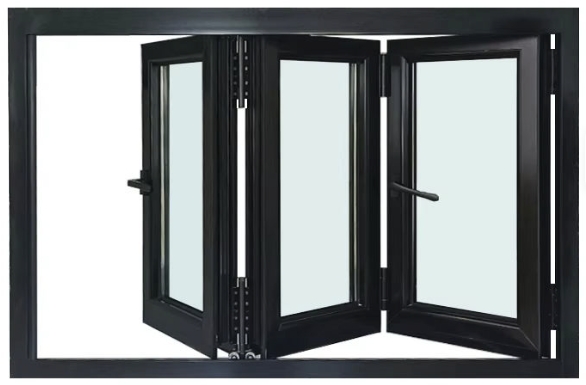
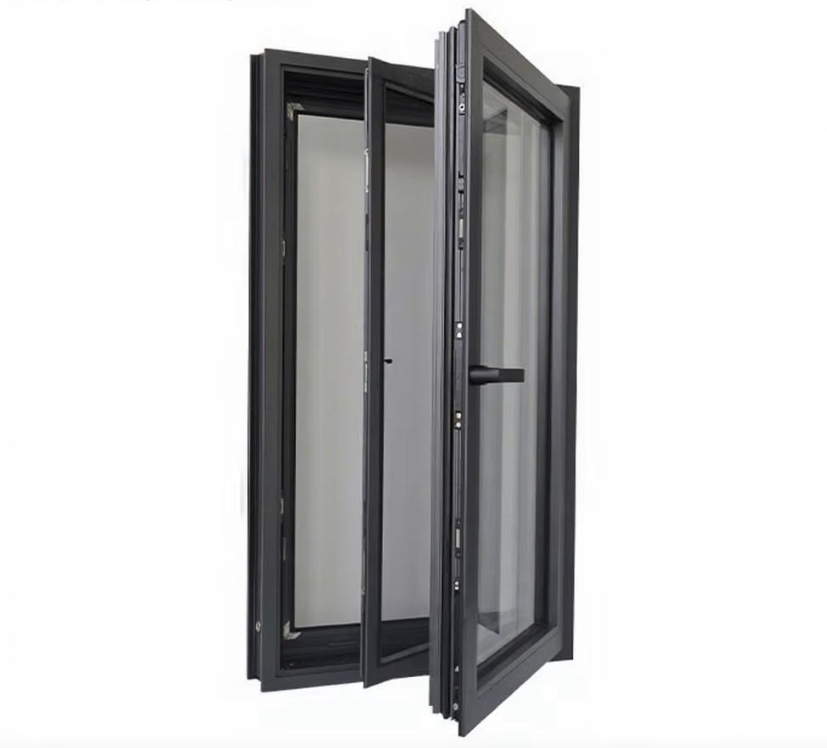
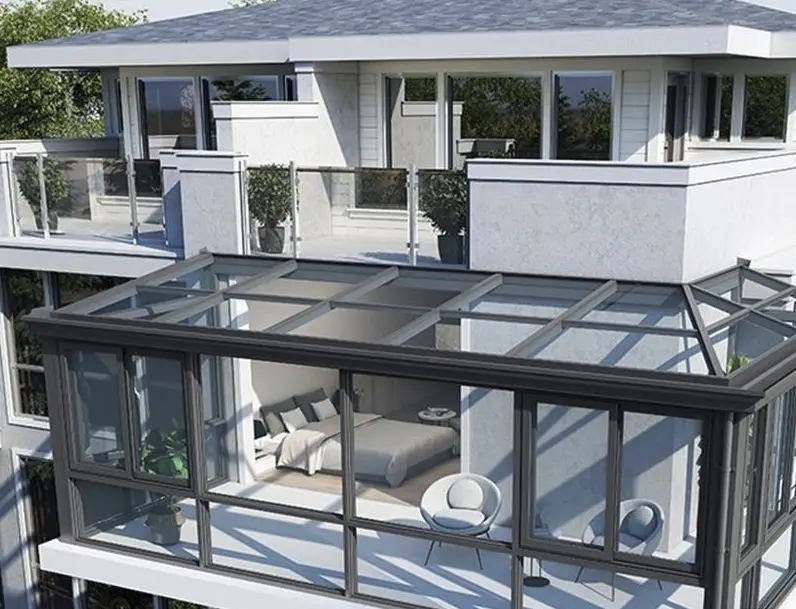
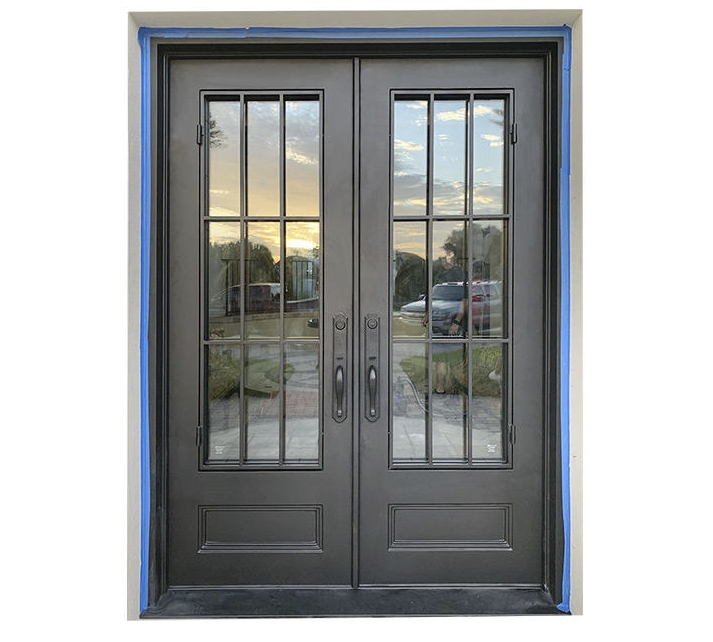

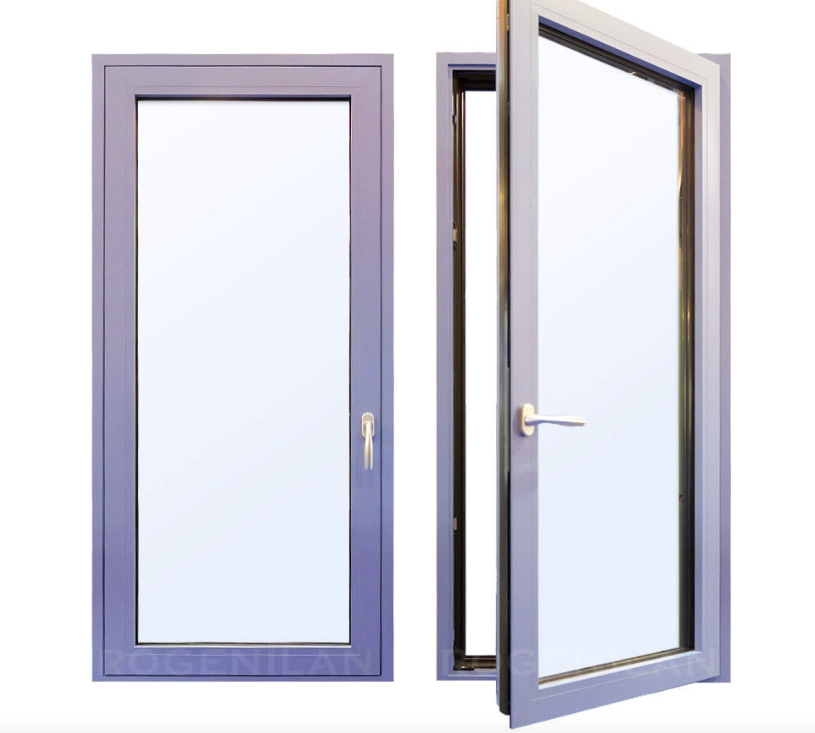
When specifying windows for a new build, retrofit, or commercial fit-out, the choice between single and double glazing is rarely a matter of preference — it is a matter of performance, compliance, and long-term cost. This article delivers a data-driven comparison of double glazed casement windows and single glazed alternatives across four critical dimensions: thermal insulation, acoustic performance, regulatory compliance, and total cost of ownership. Whether you are a procurement manager, architect, or property developer, the analysis below provides the technical foundation for a defensible, ROI-positive specification decision.
1: Understanding the Two Window Types
1.1: How Single Glazed Casement Windows Are Constructed
A single glazed casement window consists of one pane of glass mounted within a hinged frame — typically aluminium, uPVC, or timber. Standard glass thickness ranges from 3 mm to 6 mm, with 4 mm being the most common residential specification.
The fundamental limitation is thermal: heat transfers directly through the single pane via conduction, with no barrier layer to slow energy loss. In winter, the interior glass surface can drop well below room temperature, creating a cold radiation effect that forces heating systems to compensate. In summer, solar gain passes through with minimal attenuation unless a solar-control coating is applied. The result is a thermally inefficient envelope that struggles to meet modern energy codes in most climates.
Structurally, single glazed units are lighter and less expensive to manufacture, making them historically attractive for low-budget projects. However, their performance ceiling is fixed by physics — no frame upgrade or coating can replicate the insulating effect of an air or gas-filled cavity.
1.2: How Double Glazed Casement Windows Are Constructed
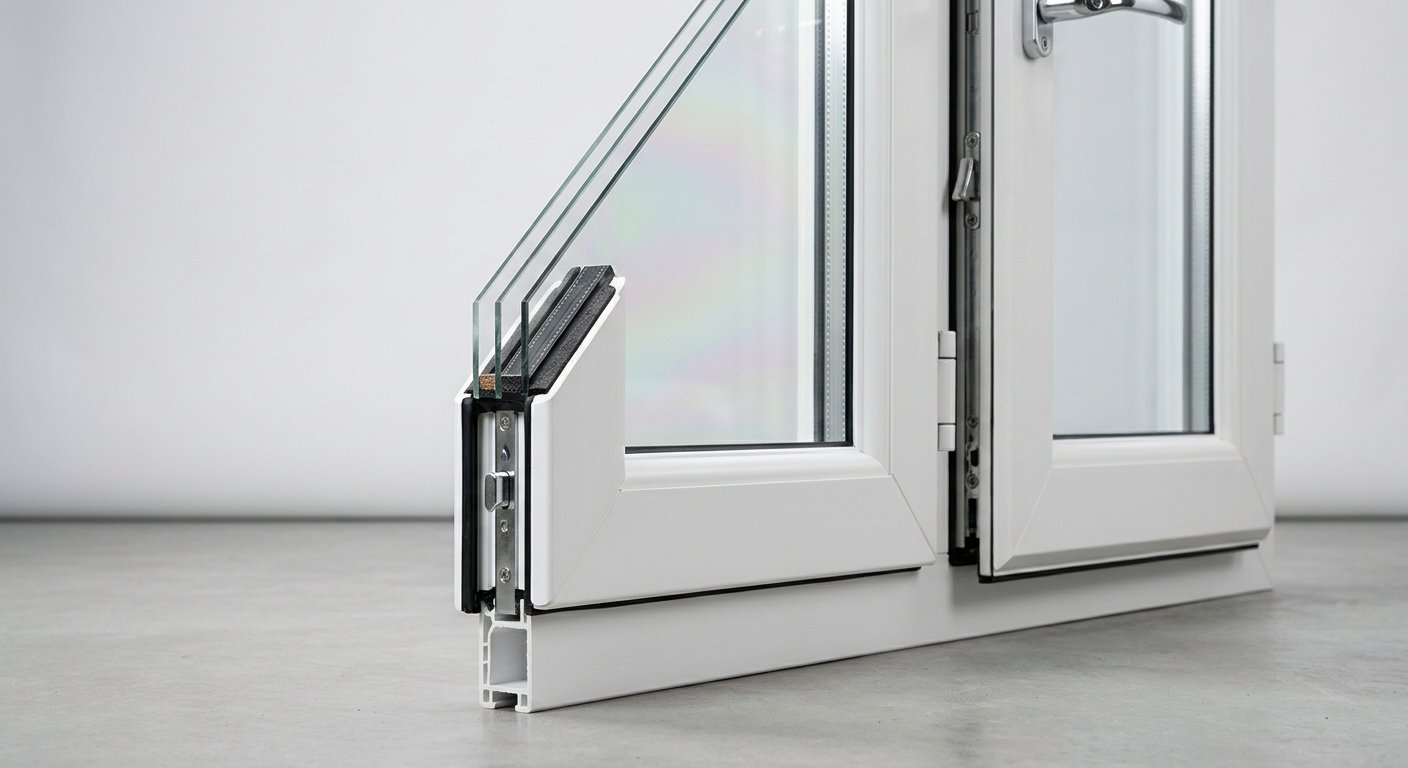
A double glazed casement window incorporates an Insulating Glass Unit (IGU) — two glass panes separated by a sealed cavity, typically 12 mm to 20 mm wide. The cavity is filled with argon (the industry standard) or krypton (higher-performance, used in narrower cavities), both of which have lower thermal conductivity than air.
Modern IGUs integrate warm-edge spacer bars — polymer or hybrid metal-polymer profiles that replace traditional aluminium spacers along the perimeter. Warm-edge technology reduces thermal bridging at the glass edge, lowering the risk of condensation and improving the overall unit U-Value by up to 10%.
Low-emissivity (Low-E) coatings, applied to the inner glass surfaces, further reduce radiant heat transfer. Combined with argon fill and warm-edge spacers, this construction delivers a fundamentally different thermal profile compared to any single pane configuration.
2: Performance Comparison — Key Technical Metrics
| Metric | Single Glazed | Double Glazed |
|---|---|---|
| U-Value (W/m²K) | 5.0 – 5.8 | 1.2 – 2.8 |
| SHGC | 0.75 – 0.86 | 0.25 – 0.65 (coating-dependent) |
| Acoustic Rating (Rw dB) | 25 – 28 dB | 32 – 42 dB |
| Glass Thickness | 3 – 6 mm | 4+12+4 mm to 6+20+6 mm |
| Condensation Risk | High (inner surface <10°C) | Low (warm-edge design) |
| Recommended Climate Zone | Mild/Tropical only | All zones |
2.1: Thermal Insulation & Energy Efficiency
The U-Value gap between single and double glazing is the most commercially significant performance differential. A typical single glazed unit delivers a U-Value of 5.0–5.8 W/m²K, meaning substantial heat loss per square metre of glazed area. A standard double glazed unit with argon fill and Low-E coating achieves 1.2–2.0 W/m²K — representing a heat loss reduction of 65–80% through the glass itself.
In practical energy terms, independent modelling for a 150 m² residential property in a temperate climate (e.g., UK, Germany, or northern China) consistently shows 15–25% reductions in annual heating and cooling costs when upgrading from single to double glazing. For commercial buildings with large glazed façades, the savings scale proportionally — a 2,000 m² office floor plate with perimeter casement windows can yield annual HVAC savings exceeding USD 12,000 depending on local energy tariffs.
The argon fill is the key variable: argon-filled IGUs outperform air-filled units by approximately 5–10% in U-Value terms. Krypton fill offers a further improvement but at a cost premium that is typically justified only in passive house or ultra-low-energy specifications.
2.2: Acoustic Performance & Security Rating
Double glazed casement windows achieve Rw ratings of 32–42 dB, compared to 25–28 dB for single glazed equivalents. The performance improvement is not simply additive — the mass of two glass panes combined with the damping effect of the gas cavity disrupts sound wave transmission across a wider frequency range, particularly in the mid-frequency band most associated with traffic and HVAC noise.
For projects near airports, rail corridors, or urban arterials, specifying asymmetric glass configurations (e.g., 6 mm outer + 4 mm inner) within the IGU further reduces coincidence dip — the frequency at which sound transmission peaks. This is a specification detail that distinguishes technically competent suppliers from commodity manufacturers.
On security, double glazed casement windows integrate naturally with multi-point locking hardware — typically 3–5 locking points distributed along the frame perimeter. This configuration meets PAS 24 (UK) and RC2 (European Resistance Class) security standards, which single glazed units with standard single-point latches cannot achieve without significant hardware upgrades.
3: Compliance Standards & Certifications
3.1: Applicable Building Codes & Energy Regulations
Regulatory requirements for glazing performance have tightened significantly across major markets:
- ENERGY STAR (North America): Requires U-Values of ≤1.22 W/m²K (northern zones) for residential windows. Single glazed units are categorically non-compliant.
- UK Building Regulations Part L: Mandates whole-window U-Values of ≤1.4 W/m²K for new dwellings and ≤1.6 W/m²K for replacement windows. Double glazing is the minimum viable solution.
- EU EN 14351-1: Governs performance declaration requirements for windows placed on the European market, covering air permeability, water tightness, and wind resistance alongside thermal and acoustic data.
- Australia NCC Section J: Energy efficiency provisions require window U-Values and SHGC values to comply with climate zone-specific limits — standards that single glazed units cannot meet in Zones 4–8.
Procurement teams should request a Declaration of Performance (DoP) from suppliers confirming compliance with the applicable standard for the project’s jurisdiction.
3.2: Product Certifications Buyers Should Verify
A credible double glazed casement window supplier should be able to provide:
- CE Marking (EU/UK): Confirms third-party testing to EN 14351-1 and mandatory performance declaration.
- BFRC Window Energy Rating (UK): A-rated windows deliver net energy gains; verify the rating band, not just the label.
- NFRC Label (North America): Independently certified U-Value, SHGC, and visible transmittance values. Reject any supplier who cannot provide NFRC-certified data for the North American market.
- ISO 9001 Factory Certification: Confirms the manufacturing facility operates a documented quality management system — a baseline requirement for large-volume procurement.
Request third-party test reports, not just self-declared specifications. Argon fill content, in particular, should be verified via supplier quality control documentation (see FAQ below).
4: Application Scenarios & Commercial Value
4.1: Which Projects Benefit Most from Double Glazing
Residential retrofits represent the highest-volume application. Replacing single glazed casement windows in pre-2000 housing stock delivers immediate comfort improvements, reduces condensation-related mould risk, and supports compliance with energy performance certificate (EPC) upgrade requirements in markets like the UK and Germany.
Commercial office and hotel projects benefit from double glazing’s combined thermal and acoustic performance. Open-plan offices adjacent to urban noise sources require Rw ≥ 35 dB — achievable only with double or triple glazing. Hotel rooms facing street frontages have similar requirements, with acoustic performance directly linked to guest satisfaction scores.
Cold climate and high-altitude projects (Scandinavia, Canada, Central Asia) should specify triple glazing or double glazed units with krypton fill and two Low-E coatings to achieve U-Values below 1.0 W/m²K. Standard double glazing remains the cost-effective baseline for temperate and subtropical climates.
Single glazed windows retain a defensible role only in mild coastal climates (e.g., tropical Southeast Asia below 500 m elevation) where heating loads are negligible and natural ventilation is prioritised over thermal sealing.
4.2: Total Cost of Ownership — Upfront Cost vs Long-Term ROI
The installed cost premium for double glazed casement windows over single glazed equivalents typically ranges from 30–60% on a per-unit basis, varying by frame material, glass specification, and order volume. For a standard 1.2 m × 1.5 m casement unit, this translates to an additional USD 80–200 per window at mid-market specification.
Against this upfront differential, the energy savings case is well-established:
- Annual energy bill reduction: USD 15–40 per window in temperate climates (based on average residential heating costs).
- Payback period: 5–10 years for most residential applications, shorter for high-energy-cost markets (UK, Germany, Australia).
- Reduced maintenance: Double glazed units with uPVC or thermally broken aluminium frames require significantly less maintenance than timber single glazed equivalents, with service lives of 25–30 years versus 10–15 years for uncoated timber single glazed units.
- Property value uplift: EPC rating improvements translate directly to assessed property values in regulated markets, with A/B-rated properties commanding measurable premiums over D/E-rated equivalents.
FAQ
Q1: What is the minimum U-Value required for double glazed casement windows to meet current building regulations?
Requirements vary by jurisdiction. In the UK, replacement windows must achieve ≤1.6 W/m²K (whole window); new builds require ≤1.4 W/m²K. ENERGY STAR northern zone compliance requires ≤1.22 W/m²K. Always confirm the applicable standard for your project’s location and building type before issuing a specification.
Q2: Can existing single glazed casement window frames be retrofitted with double glazed units without full replacement?
In some cases, yes — if the existing frame rebate is deep enough (typically ≥28 mm) and structurally sound. A qualified window installer should assess frame condition and rebate dimensions before ordering replacement IGUs. uPVC and aluminium frames are more commonly suitable for glazing-only upgrades than timber frames, which may have warped or deteriorated rebate profiles.
Q3: How do I verify whether a supplier’s double glazed casement windows are genuinely argon-filled and not just air-filled?
Request the supplier’s IGU production quality control records, which should document argon fill percentage per batch (industry standard: ≥90% argon concentration). A reputable supplier will also provide third-party IGU test certificates referencing EN 1279-3 (gas leakage and concentration) or equivalent ASTM standards. On-site verification is possible using a handheld gas detector; this is a reasonable requirement for large procurement contracts.
Kesimpulan
Across every performance dimension that matters to a building’s occupants and its long-term operating cost, double glazed casement windows deliver a systematic and quantifiable advantage over single glazed alternatives. The thermal performance gap — a U-Value improvement of 65–80% — translates directly into lower energy bills, reduced carbon output, and compliance with building codes that single glazed units cannot meet in most regulated markets. Acoustic performance improvements of 7–14 dB Rw make double glazing the only viable specification for noise-sensitive applications. Multi-point locking hardware integration elevates security to certifiable standards.
The total cost of ownership case is equally clear: a 5–10 year payback period on a 25–30 year asset life represents a strong commercial return, particularly in high-energy-cost markets. For procurement teams and project specifiers, the decision framework is straightforward — single glazing is appropriate only where heating and cooling loads are negligible and budget constraints are absolute. In all other scenarios, double glazed casement windows are the technically and commercially superior specification.
To receive detailed product specifications, U-Value certification documentation, or volume pricing for your project, contact our technical sales team or download our product datasheet.