
Abstract
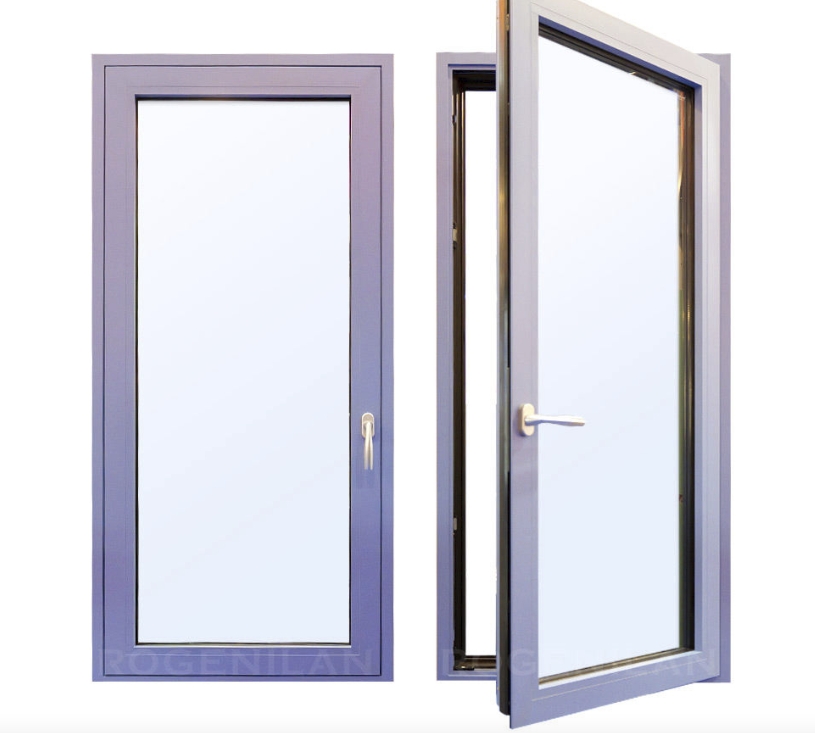
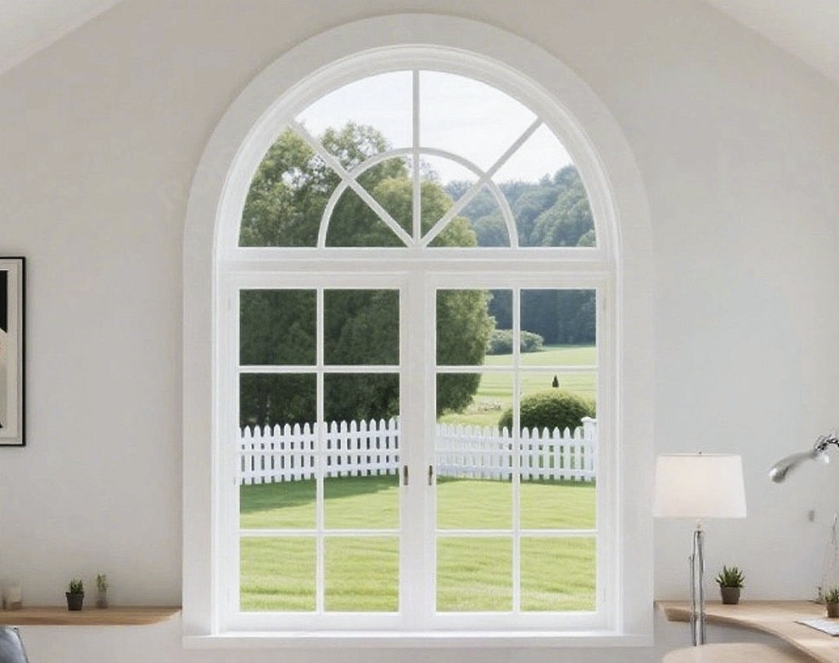
For residential and commercial projects affected by traffic noise, urban construction, and street-level disturbance, window selection is more than a design choice — it is a performance requirement. Double Glazed Casement Windows combine insulated glass units, sealed air cavities, multi-point locking systems, and precision-engineered frames to deliver reliable sound insulation performance that single glazing cannot achieve.
This article explains how Double Glazed Casement Windows reduce noise transmission, which acoustic and thermal specifications buyers should evaluate, and how different configurations perform in real-world applications. From urban apartments and hotels to offices and healthcare facilities, this guide provides a practical framework for selecting the right window solution based on acoustic performance, energy efficiency, and project requirements.
1. Why Does Street Noise Penetrate Standard Windows?
1.1 How Sound Travels Through Glass
Sound travels in the form of pressure waves. When these waves hit a single pane of glass, the glass vibrates and transfers acoustic energy into the interior space. This process follows the Mass Law principle: when the surface mass of a panel doubles, its sound reduction index (Rw) typically improves by approximately 6 dB. However, a standard 4 mm single glass pane usually achieves only around 20–24 dB Rw, making it ineffective against busy roads producing 70–80 dB(A) of exterior noise.
Another limitation is the coincidence frequency, where incoming sound waves match the glass’s natural bending frequency, reducing sound insulation performance. For a uniform 6 mm glass pane, this effect commonly occurs around 2,000–3,000 Hz — the frequency range associated with human speech and many traffic sounds. As a result, single glazing performs poorly in the areas where noise reduction is most needed.
1.2 Why Conventional Casement Windows Fail at Noise Control
Even relatively strong single-glazed casement windows often struggle with acoustic performance due to three key limitations:
Insufficient glass mass: Thin glass panels (≤5 mm) lack the density required to block mid-frequency sound waves, typically resulting in Rw values below 25 dB.
No insulating air cavity: Without a sealed space between the two glass layers, there is no effective means to reduce vibration transfer. Sound energy passes directly through the glass structure.
Aging seals and frame gaps: Older casement windows may develop hardened seals and small perimeter gaps over time. Even a minor opening around the frame can significantly reduce overall acoustic performance by creating a direct sound leakage path.
These limitations explain why adding acoustic film to existing single glazing often delivers limited results. While film may slightly increase glass thickness, it cannot replace the sound-damping benefits of a sealed cavity and properly engineered frame system.
2. How Do Double Glazed Casement Windows Reduce Noise?
2.1 Acoustic Technology: Air Cavities, Glass Mass & Asymmetric Glass Design
The insulating glass unit (IGU) used in Double Glazed Casement Windows provides two major acoustic advantages that single glazing cannot offer: separated glass layers and cavity-based sound damping.
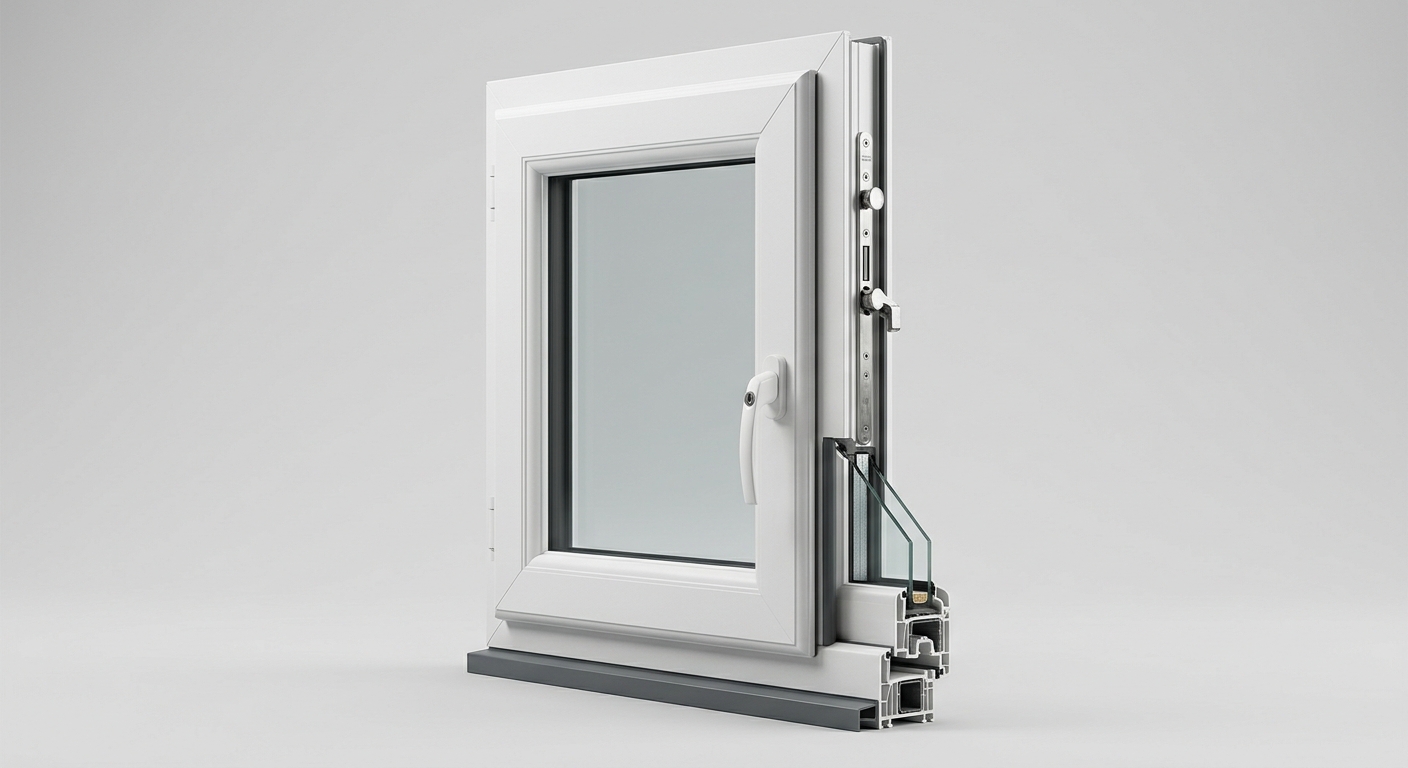
A typical configuration, such as 4 mm outer glass / 12 mm argon-filled cavity / 6 mm inner glass, creates a separation layer between two glass panels. The low-conductivity gas cavity reduces vibration transfer and improves sound insulation, with standard configurations commonly achieving Rw ratings of approximately 32–35 dB.
Glass thickness selection is another important factor. When both glass panes have identical thicknesses, they may share similar resonance frequencies, reducing acoustic efficiency. Using asymmetric glass combinations, such as 4 mm + 6 mm or 5 mm + 8 mm, shifts these frequencies and improves noise reduction across a wider frequency range. For demanding environments, laminated acoustic glass configurations can achieve Rw ratings of 40–45 dB.
2.2 Casement Frame and Seal Design for Better Sound Insulation
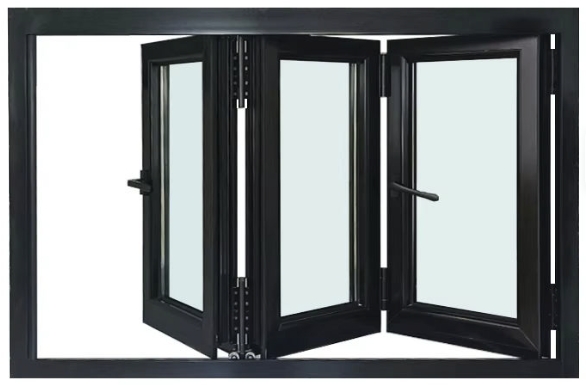
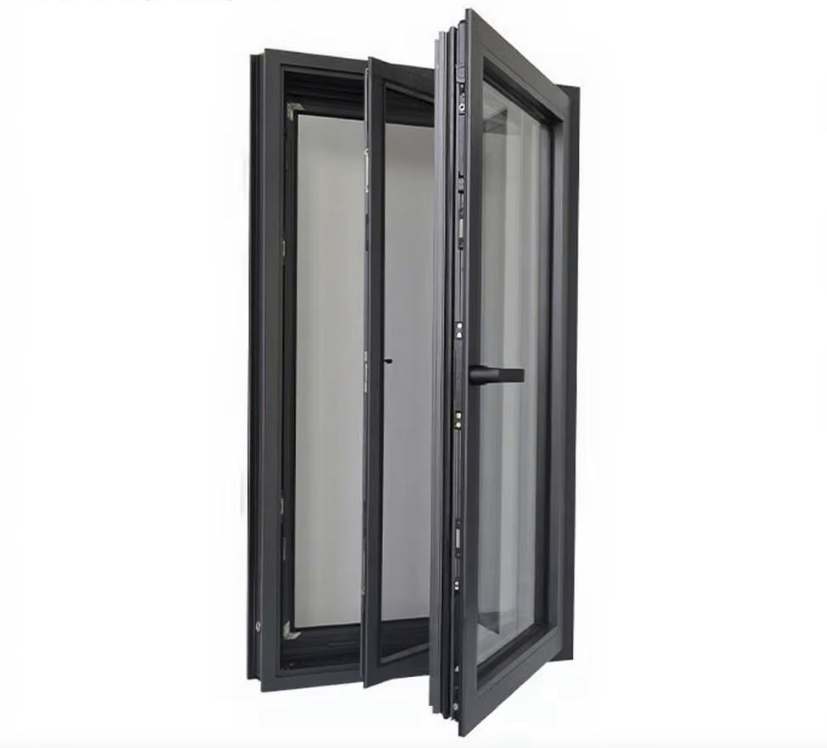
The performance of an IGU depends heavily on the quality of the frame and sealing system. Compared with sliding windows, casement windows provide an advantage through their compression-seal design. When closed, the sash presses firmly against the frame, creating a more continuous barrier against air and sound leakage.
Key features that improve the acoustic performance of Double Glazed Casement Windows include:
- Multi-point locking hardware: Distributes closing pressure evenly around the sash perimeter, improving gasket compression and reducing potential sound leakage points.
- EPDM triple-fin gaskets: Maintain flexibility across a wide temperature range and help preserve sealing performance over long service periods.
- Thermally broken aluminium or uPVC profiles: Provide structural stability while reducing sound and heat transfer paths. Multi-chamber uPVC profiles can further improve insulation by trapping air within the frame structure.
📊 Double Glazed Casement Window — Noise & Thermal Performance Parameter Comparison
| Parameter | Single Glazed Casement | Standard Double Glazed Casement | High-Performance Acoustic Casement |
|---|---|---|---|
| Glass Configuration | 6 mm single pane | 4 mm + 12 mm air + 4 mm | 5 mm + 16 mm argon + 6.4 mm acoustic laminate |
| Rw Sound Reduction (dB) | 20–24 dB | 30–34 dB | 40–45 dB |
| U-Value (W/m²K) | 5.4–5.8 | 2.8–3.2 | 1.0–1.4 |
| Air Permeability Class | Class 1 | Class 3 | Class 4 |
| Applicable Noise Scenario | Rural / low-traffic | Suburban road | Urban arterial / motorway |
| Key Certifications | — | CE Mark, BS 6375 | CE, ENERGY STAR, EN ISO 10140 |
3. Compliance Standards & Specifications to Check Before Purchasing
3.1 Key Acoustic and Thermal Ratings: STC, Rw, U-Value, and Energy Performance
When evaluating Double Glazed Casement Windows, buyers should focus on verified acoustic and thermal ratings rather than marketing claims. Two major sound insulation standards are widely used worldwide:
Rw (EN ISO 717-1): The European weighted sound reduction index measured under laboratory conditions. For residential buildings facing busy urban roads with exterior noise levels of approximately 65–75 dB, an Rw rating of at least 35 dB is generally recommended. For locations near highways or railways, higher-performance solutions with Rw 40 dB or above may be required.
STC (ASTM E90/E413): The North American Sound Transmission Class rating. STC values are usually slightly higher than equivalent Rw ratings due to different testing methods. For example, a window rated Rw 35 dB may achieve an STC rating around 37. Always request complete laboratory test reports rather than relying only on advertised performance figures.
Thermal performance should also be evaluated through the U-Value (W/m²K), which measures heat transfer through the window system. Many modern building regulations require replacement windows to achieve U-values around 1.6 W/m²K or lower, while high-efficiency standards such as Passivhaus require significantly better performance. In North America, ENERGY STAR requirements vary by climate zone and product category.
Before purchasing, verify that supplier test reports are based on recognized standards such as EN ISO 10140 or ASTM E90. Laboratory-tested values provide more reliable performance data than calculated estimates, which may overstate actual sound reduction.
3.2 Installation Factors That Influence Real-World Noise Reduction
Even high-performance Double Glazed Casement Windows can lose acoustic efficiency if installation quality is poor. Laboratory ratings are achieved under controlled conditions, while real-world performance depends heavily on frame installation and sealing details.
Key installation requirements include:
- Perimeter sealing: The gap between the window frame and surrounding structure should be filled with suitable acoustic sealant. Poor sealing or unsuitable materials can create sound leakage paths.
- Frame installation depth: Adequate installation space allows proper fixing and sealing without affecting frame stability or compression performance.
- Post-installation testing: For commercial, hotel, and healthcare projects, field sound insulation testing based on standards such as ASTM E966 or ISO 16283-3 can verify actual acoustic performance after installation.
4. Application Scenarios & Commercial Value Assessment
4.1 Where Double Glazed Casement Windows Provide the Greatest Value
Different noise environments require different window specifications. The following applications typically benefit most from high-performance Double Glazed Casement Windows:
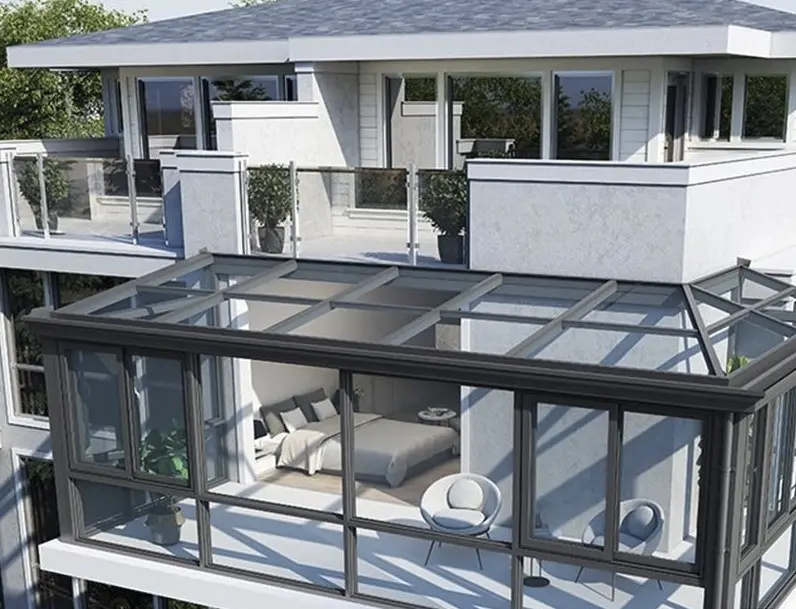
- Urban residential renovation: Apartments located near busy roads often require improved acoustic insulation to enhance indoor comfort and property value. Configurations achieving Rw 35–38 dB are commonly suitable for moderate urban noise conditions.
- Street-facing commercial offices: Offices near traffic-heavy areas can benefit from windows with Rw ratings of 38 dB or above, helping reduce external noise intrusion and improve workplace comfort.
- Hotels and serviced apartments: Guest satisfaction is strongly influenced by sleeping conditions. Upgrading from standard double glazing to higher acoustic configurations with Rw 40+ dB can significantly reduce traffic noise and improve guest experience.
- Healthcare and education facilities: Hospitals, clinics, and schools near noisy environments often require enhanced sound insulation. High-performance acoustic casement windows can help meet project requirements without relying on additional secondary glazing systems.
4.2 Total Cost of Ownership vs. Single Glazing or Acoustic Film Alternatives
A four-dimension TCO comparison clarifies the investment case:
| TCO Factor | Single Glazing | Acoustic Film (Retrofit) | Double Glazed Casement |
|---|---|---|---|
| Initial Cost (per m²) | Low baseline | +£15–30/m² | +£80–160/m² |
| Annual Energy Saving | Baseline | Negligible | £18–35/m²/year |
| Maintenance Cycle | Seal replacement every 5–7 yr | Film replacement every 3–5 yr | Seal inspection every 10 yr |
| Asset Value Impact | Baseline | Minimal | +3–8% property valuation |
Acoustic film achieves Rw improvements of only 2–4 dB — statistically imperceptible to occupants. Over a 15-year ownership period, the energy savings alone from double glazed casement windows typically offset 60–80% of the initial cost premium over single glazing, before accounting for property value appreciation.
FAQ
Q1: What Rw (dB) rating should I specify for Double Glazed Casement Windows facing busy streets?
For urban roads, specify Double Glazed Casement Windows with an Rw rating of 35 dB or higher. For highways, railways, or high-noise areas, choose Rw 40–45 dB with laminated acoustic glass for improved sound insulation.
Q2: Can existing casement window frames be upgraded with double glazing?
Yes, if the existing frames are structurally sound and have sufficient rebate depth. However, older frames may lack modern seals and locking systems. Full replacement is recommended when air leakage or frame deterioration affects acoustic performance.
Q3: How can I verify a supplier’s noise reduction claims for double glazed windows?
Request independent EN ISO 10140 or ASTM E90 test reports showing the exact glass configuration, Rw value, and laboratory details. Avoid relying only on supplier brochures or calculated performance data.
Q4: Which glass configuration provides the best noise reduction for Double Glazed Casement Windows?
Asymmetric glass combinations, such as 5 mm + 16 mm cavity + 6.4 mm laminated glass, generally provide better acoustic performance by reducing resonance and improving attenuation across traffic noise frequencies.
Q5: Do Double Glazed Casement Windows reduce low-frequency traffic noise?
Yes, but performance depends on glass thickness, cavity width, and sealing quality. Laminated acoustic glass and wider insulating cavities are recommended for reducing low-frequency noise from trucks, buses, and urban traffic.
Q6: What installation factors affect the acoustic performance of double glazed casement windows?
Proper sealing is critical. Low-expansion acoustic sealants, accurate frame installation, and high-quality gaskets prevent sound leakage around the window perimeter and help achieve the tested noise reduction rating.
Kesimpulan
Double glazed casement windows provide a complete solution for reducing urban noise intrusion through advanced glazing design, sealed frame systems, and improved acoustic insulation. By combining asymmetric glass configurations, insulated cavities, and compression-sealed hardware, they can deliver reliable Rw 32–45 dB performance for residential and commercial applications.
For procurement teams, selecting the right window solution requires verifying acoustic ratings, thermal performance, installation quality, and compliance documentation. A properly specified system not only improves indoor comfort but also supports long-term energy efficiency and property value.
If you are planning a noise-control window project, contact Tayon Windows to discuss your required specifications, glass configurations, and customized double glazed casement window solutions.