
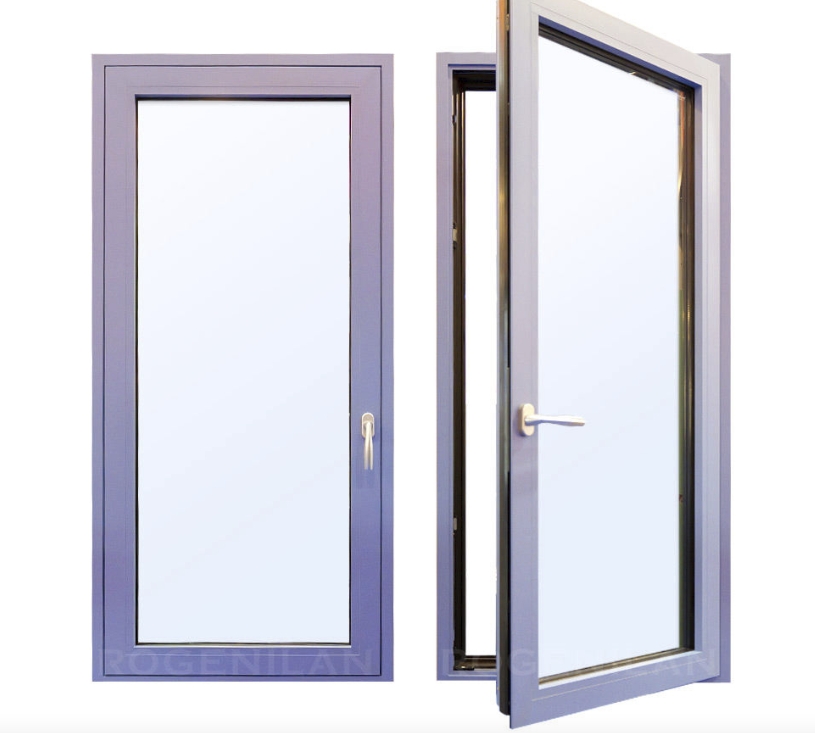
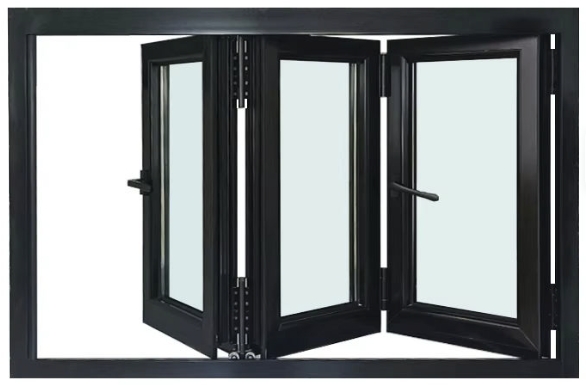
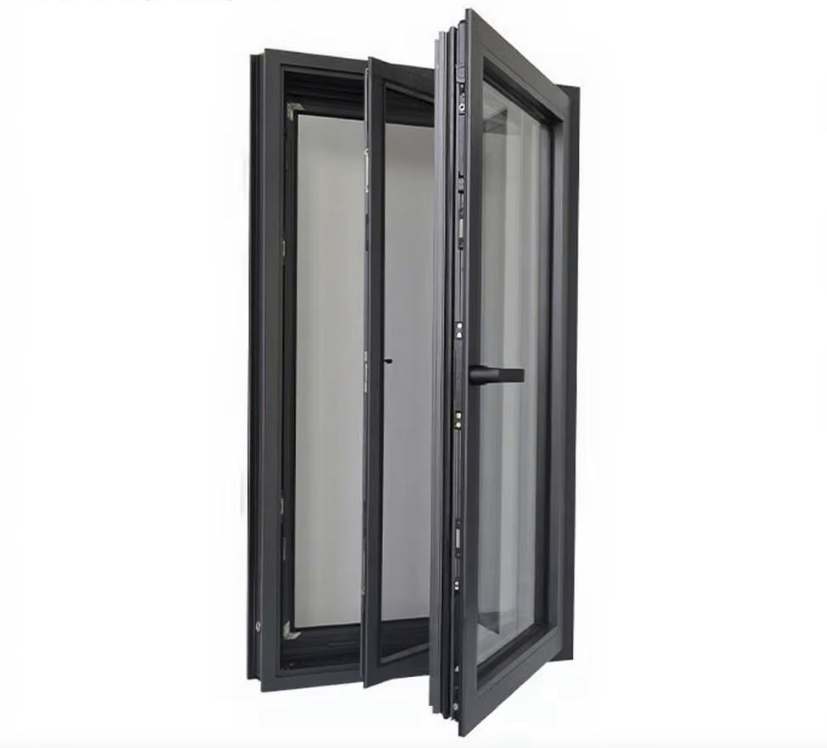
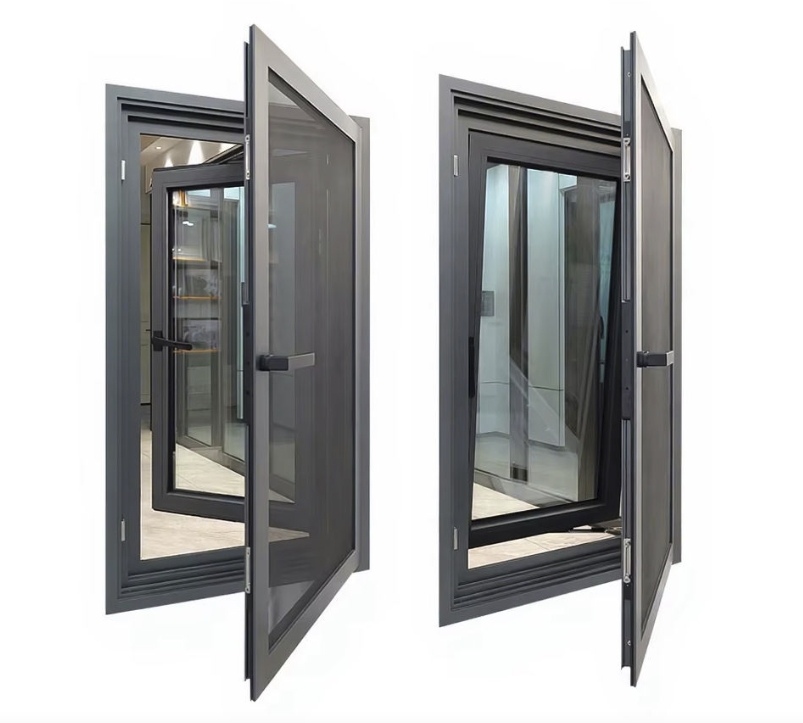
Double glazed casement windows are one of the most effective solutions for reducing drafts in residential and commercial spaces. Their side-hinged sash design creates a tight compression seal against the frame when closed, while the insulated air gap between two glass panes helps reduce heat transfer. For drafty rooms, a well-designed double glazed casement window can improve indoor comfort, energy efficiency, and overall window performance.
Why Drafty Rooms Stay Cold Even with Modern Windows
A room that feels cold near the windows is often affected by more than just glass performance. Air leakage around the sash, aging weatherstripping, or gaps between the frame and wall can contribute significantly to heat loss. For this reason, the airtightness of a double glazed casement window is just as important as the glazing specification when improving indoor comfort.
Many homeowners assume that thicker glass or triple glazing is the only solution for drafty rooms. However, a poorly sealed window can still allow cold air infiltration even with advanced glass technology. The connection between the sash and frame plays a critical role in maintaining thermal performance.
Older casement windows are especially vulnerable to air leakage over time. Timber frames may expand and contract with seasonal changes, hinges can become misaligned, and gaskets may lose flexibility after years of use. These issues can create small gaps around the opening edge, allowing outdoor air to enter during colder months.
Replacing outdated units with modern double glazed casement windows helps address both air leakage and heat transfer. A stable frame structure, multi-point locking system, and compression seals work together to keep the sash tightly positioned against the frame.
How Casement Windows Create an Airtight Seal Against Drafts
Casement windows are hinged on one side and open outward like a door. When the handle is turned, the sash moves firmly into the frame instead of sliding along a track. This compression action is one of the main reasons double glazed casement windows provide strong draft resistance.
When a casement window closes correctly:
- The multi-point locking system secures the sash at several positions.
- Locking points pull the sash evenly toward the frame.
- The full-perimeter gasket compresses to create a continuous seal.
- Air leakage paths around the window opening are minimized.
Compared with sliding or double-hung window designs, casement windows generally achieve better airtightness because compression seals provide more consistent contact between the sash and frame. The fixed hinge side and locking mechanism also help distribute pressure more evenly across the window unit.
Air infiltration performance is commonly evaluated through standards such as ASTM E 283, which measures how much air passes through a closed window under pressure differences. Lower air leakage rates indicate better resistance to unwanted drafts and improved overall window efficiency.
For homeowners dealing with cold rooms, the difference is noticeable. A window with poor sash alignment or worn seals may allow cold air to enter through small gaps, while a properly installed double glazed casement window with quality gaskets and locking hardware creates a more reliable barrier against outdoor conditions.
What Double Glazing Adds Beyond the Frame Seal
The frame seal helps prevent air leakage, while the glass unit controls heat transfer through the window itself. For double glazed casement windows, both elements work together to improve insulation and reduce drafts.
A double glazed unit consists of two glass panes separated by a sealed insulating air space, typically between 12 mm and 20 mm wide. This gap reduces heat transfer between the inner and outer panes by limiting conduction and convection. Many energy-efficient units also include Low-E coatings and argon gas filling to further enhance thermal performance.
The overall efficiency of a double glazed casement window depends on more than the glass specification. The frame material, thermal break design, sealing system, and installation quality all influence the final performance. For example, thermally broken aluminum casement windows combined with properly selected double glazing can provide strong insulation while maintaining the durability and slim profile of aluminum frames.
The combination of a compression seal and insulated glass creates two layers of protection against drafts. The seal reduces unwanted air infiltration, while the glazing helps slow heat loss through the window. Together, they help maintain a more stable indoor temperature and improve comfort in draft-prone rooms.
However, high-performance glazing cannot fully compensate for a poorly insulated frame. In cold climates, aluminum casement windows require thermal break technology, such as polyamide barriers between the inner and outer aluminum profiles, to reduce heat transfer through the frame. Without this separation, the aluminum profile may create a thermal bridge that affects overall energy efficiency.
Comparing Window Types for Draft Resistance
The table below compares common window designs based on their sealing performance and suitability for draft-prone rooms.
| Window Type | Seal Mechanism | Air Leakage (cfm/ft²) | Draft Resistance | Best For |
|---|---|---|---|---|
| Double glazed casement windows | Compression gasket, multi-point lock | 0.02–0.10 | Excellent | Drafty rooms, windy areas |
| Double glazed awning windows | Compression gasket, top-hinged design | 0.05–0.15 | Good to very good | Bathrooms, basements |
| Double glazed double-hung windows | Sliding seal, meeting rail | 0.05–0.30 | Moderate | Traditional-style homes |
| Single glazed casement windows | Basic gasket or limited sealing | 0.30–1.00+ | Poor | Mild climates, temporary use |
The comparison shows why replacing outdated windows can significantly improve comfort in draft-prone rooms. A modern double glazed casement window with a reliable sealing system and thermal break frame can provide better protection against air leakage than older window designs with worn seals or inefficient structures.
The Role of Thermal Break Technology in Aluminum Frames
Aluminum is widely used for aluminum casement windows because it offers strength, durability, and a slim modern profile. However, aluminum is also a highly conductive material, which means an untreated frame can transfer outdoor temperatures into the interior during cold weather. This may create a colder window surface and reduce overall comfort, even when the glass and seals perform well.
Thermal break technology helps solve this issue by adding a low-conductivity barrier, typically made from polyamide, between the inner and outer aluminum profiles. This separation reduces heat transfer through the frame and improves the overall insulation performance of the window system. Modern thermally broken aluminum casement windows often combine these profiles with multi-layer sealing systems and EPDM gaskets to further improve air tightness and weather resistance.
For draft-prone rooms, a thermal break is an important part of energy-efficient window design rather than an optional upgrade. A double glazed casement window with a thermal break frame can help maintain a warmer interior surface temperature by reducing cold transfer through the aluminum profile.
When combined with argon-filled double glazing and an effective sealing system, thermally broken aluminum casement windows provide balanced performance between durability, insulation, and long-term reliability. The frame, glass unit, and sealing components work together as a complete system to improve indoor comfort.
How Double and Triple Glazing Compare for Drafty Rooms
Triple glazing adds an additional glass pane and another insulating air space, which can further improve thermal performance. However, the extra insulation also increases cost, weight, and installation requirements.
| Specification | Double Glazing | Triple Glazing |
|---|---|---|
| Typical U-value | 1.2–1.6 W/m²K | 0.8–1.1 W/m²K |
| Relative cost premium | Baseline | 20–50% more |
| Weight | Standard | Heavier; may require reinforced hardware |
| Draft improvement over double glazing | — | Limited in many residential applications |
| Best use case | Most drafty rooms and standard energy-efficient projects | Extreme cold climates and passive house applications |
For most drafty rooms, upgrading from an old single-glazed or poorly sealed window to a well-designed double glazed casement window provides the biggest improvement in comfort. Triple glazing can offer additional thermal benefits, but it does not replace the importance of a high-quality seal, thermal break frame, and professional installation.
A well-sealed double glazed casement window can often outperform a triple glazed window with poor frame design or inadequate installation. For many projects, investing in better sealing systems and thermally broken aluminum frames delivers a more practical balance between performance and cost.
Real-World Results: What Homeowners Experience After Switching
Performance data can explain why double glazed casement windows help reduce drafts, but everyday experience often provides the clearest indication of their benefits. Homeowners who replace older, poorly sealed windows commonly notice improvements in room comfort, temperature stability, and overall window performance.
One of the most noticeable changes is the reduction of cold areas near windows. Rooms that previously felt uncomfortable during colder months can maintain a more consistent indoor temperature because less heat escapes through air leakage and inefficient glazing. As a result, heating systems may operate more efficiently by reducing unnecessary heat loss.
Window replacement projects also show that draft reduction depends on the entire window system rather than glass alone. Improvements often come from the combination of modern casement sashes, improved gaskets, tighter sealing systems, and proper installation around the frame. These components work together to reduce air infiltration and improve energy performance.
Another benefit of a well-sealed double glazed casement window is improved noise control. While the glass configuration affects acoustic performance, a tight compression seal helps reduce sound transmission by limiting air gaps around the sash. This makes double glazed casement windows a practical option for homes in urban areas or locations with outdoor noise concerns.
Maintenance is another consideration for long-term performance. High-quality EPDM gaskets and durable window hardware help maintain sealing performance over time when properly installed and maintained. Regular inspection of seals, hardware, and drainage channels can help extend the service life of the window system.
Installation quality is equally important. Even a high-performance aluminum casement window can lose efficiency if the frame-to-wall connection is not properly sealed. Airtightness tapes, compatible sealants, and correct installation techniques help prevent hidden air leakage around the window opening.
What to Specify When Ordering Double Glazed Casement Windows
When sourcing double glazed casement windows for residential renovations or commercial projects, technical specifications play an important role in achieving reliable draft resistance. Brands, contractors, and project owners should evaluate the following factors before selecting a supplier.
Frame material and thermal break
For colder climates, choose a thermally broken aluminum frame designed to reduce heat transfer through the profile. Confirm the thermal break material, frame structure, and overall window U-value rather than evaluating only the glass specification. A well-designed thermal break system helps improve insulation while maintaining the strength and durability of aluminum frames.
Glass unit configuration
A double glazed unit with Low-E coating and argon gas filling provides effective thermal performance for many residential applications. In extremely cold climates or high-performance buildings, wider spacer gaps or triple glazing may be considered. However, the overall window design, including sealing and frame performance, should be evaluated together.
Gasket and seal quality
The sealing system is one of the most important factors affecting draft resistance. EPDM or silicone gaskets with a full-perimeter compression design help maintain consistent sealing performance. Multi-point locking hardware is also important because it applies even pressure along the sash and improves the airtightness of the closed window.
Air infiltration rating
Ask suppliers for air infiltration test results based on standards such as ASTM E 283 or equivalent testing methods. A lower air leakage rating indicates better resistance to unwanted airflow. Reliable manufacturers should be able to provide performance data and explain how the window system achieves its rated results.
Installation sealing
Proper installation is essential for achieving the expected performance of double glazed casement windows. The connection between the frame and building structure should be sealed using suitable airtightness materials and weather-resistant sealants. Poor installation can reduce the benefits of even high-quality windows by creating additional air leakage points.
The total project cost depends on factors such as window size, frame material, glass specification, hardware, and installation requirements. While double glazed casement windows may cost more than basic window options, their improved comfort, durability, and energy performance can provide long-term value for residential and commercial applications.
Conclusion: A Better Solution for Drafty Rooms
Double glazed casement windows improve draft resistance by combining a tight compression seal with insulated double glazing. The seal helps reduce air leakage, while the glass unit limits heat transfer. When paired with a thermally broken frame and proper installation, they can significantly improve indoor comfort and temperature stability.
For draft-prone homes and projects, focus on the complete window system rather than glass thickness alone. A well-designed double glazed casement window with quality seals, thermal break technology, and reliable hardware can deliver better long-term performance than a poorly installed higher-spec alternative.
When selecting windows, request key performance details such as U-values, air infiltration ratings, and gasket specifications. Working with an experienced double glazed casement window manufacturer and reviewing samples before production can help ensure the final solution meets both performance and design expectations.