

Abstract
Double-glazed casement windows represent one of the most technically mature and commercially versatile fenestration solutions available to residential and light commercial buyers today. By integrating an insulated glass unit (IGU) within a side- or top-hung casement frame, they deliver measurable improvements in thermal efficiency, acoustic attenuation, and ventilation control — all within a single product assembly.
This guide is structured for procurement decision-makers, architects, and homeowners who need to move beyond marketing claims and evaluate double-glazed casement windows against quantifiable performance benchmarks. Sections cover IGU construction principles, U-value and acoustic rating standards, compliance requirements across key markets, real-world application scenarios, and the commercial variables — warranty, lead time, total cost of ownership — that determine long-term value. A specification comparison table and FAQ section provide ready-reference tools for shortlisting and supplier engagement.
1. Understanding Double-Glazed Casement Windows: Core Technology & Construction
1.1 How Double Glazing Works in a Casement Frame
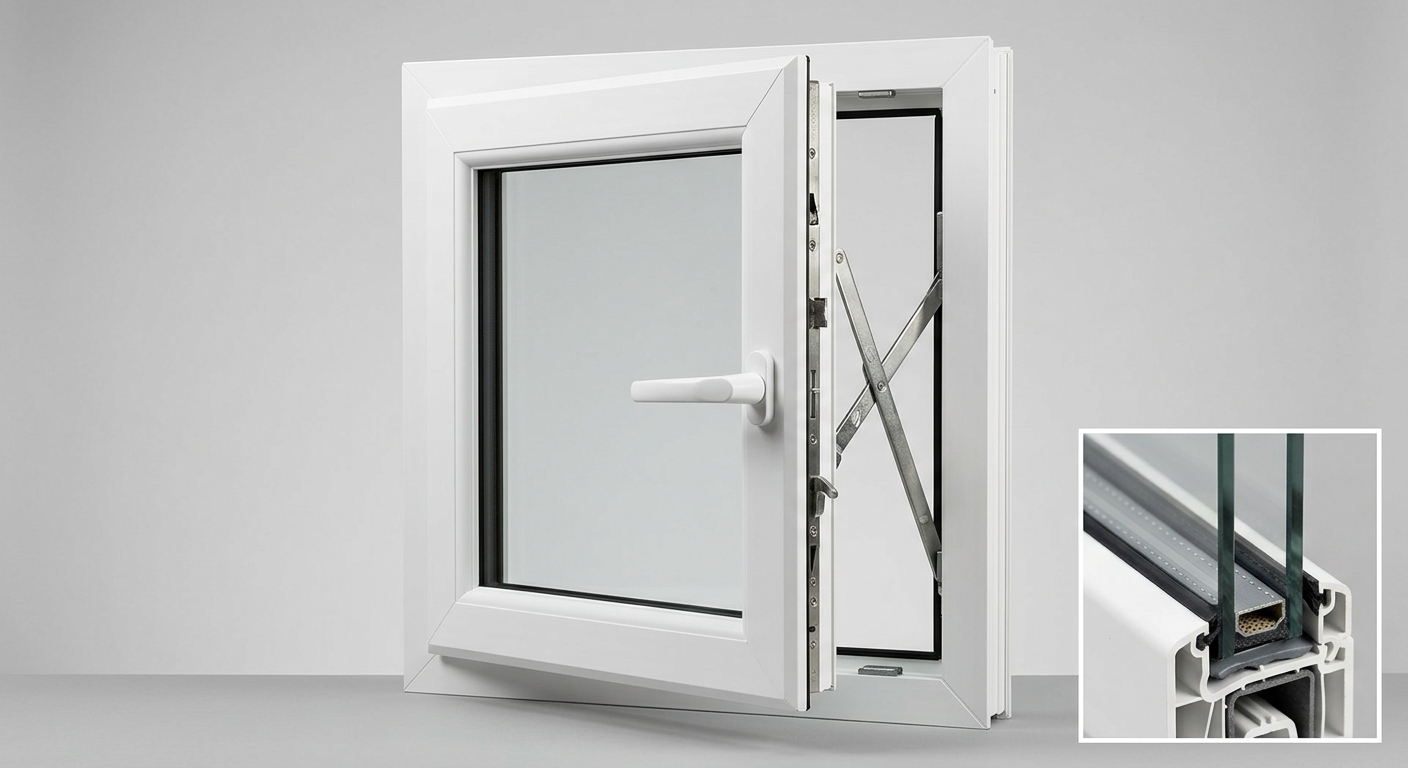
The performance foundation of any double-glazed casement window is the insulated glass unit (IGU). An IGU consists of two panes of glass — typically 4 mm each — separated by a hermetically sealed cavity of 12–20 mm. This cavity is filled with an inert gas, most commonly argon (thermal conductivity ≈ 0.016 W/mK) or, in premium units, krypton (≈ 0.0093 W/mK). Because both gases conduct heat far less efficiently than air, the cavity becomes a thermal barrier that significantly reduces heat transfer through the glazed area.
Equally important is the warm-edge spacer bar — the component that separates the two panes at the perimeter. Traditional aluminium spacers create a thermal bridge at the glass edge, locally elevating U-values and promoting edge condensation. Modern warm-edge alternatives, manufactured from stainless steel, thermoplastic, or foam-based composites, reduce edge-of-glass heat loss by up to 20% compared to cold-edge aluminium, directly improving the overall window U-value and eliminating the condensation line that commonly appears at the bottom of older double-glazed units.
Within the casement frame, the IGU is retained by a glazing bead and sealed with a compatible sealant system, ensuring long-term gas retention — typically guaranteed for 10–15 years against seal failure by reputable manufacturers.
1.2 Casement Window Mechanism & Frame Materials
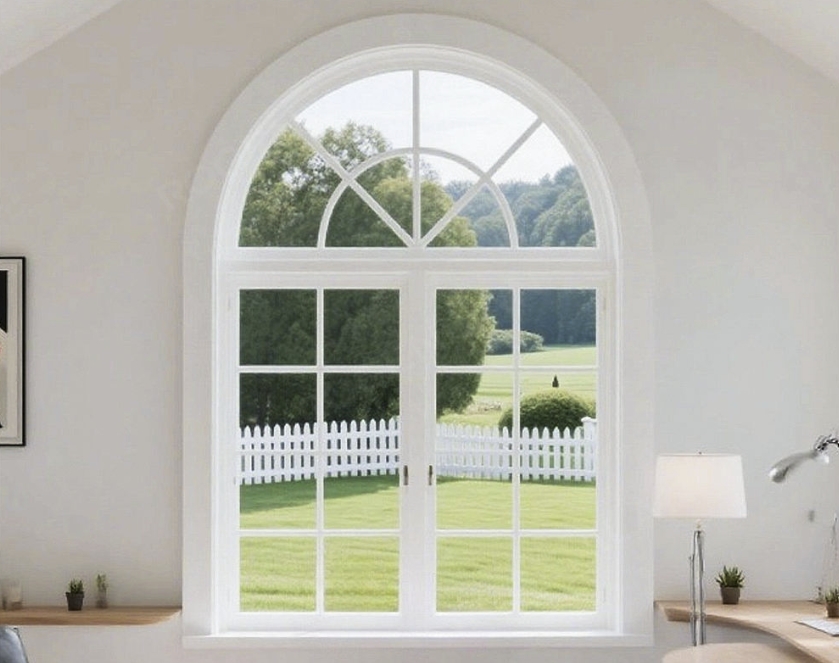
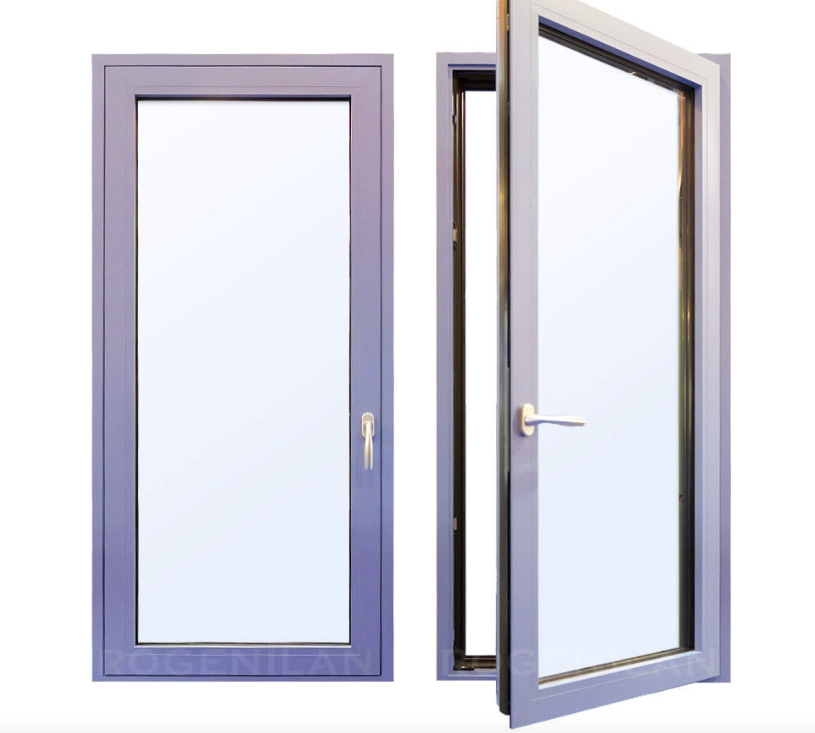
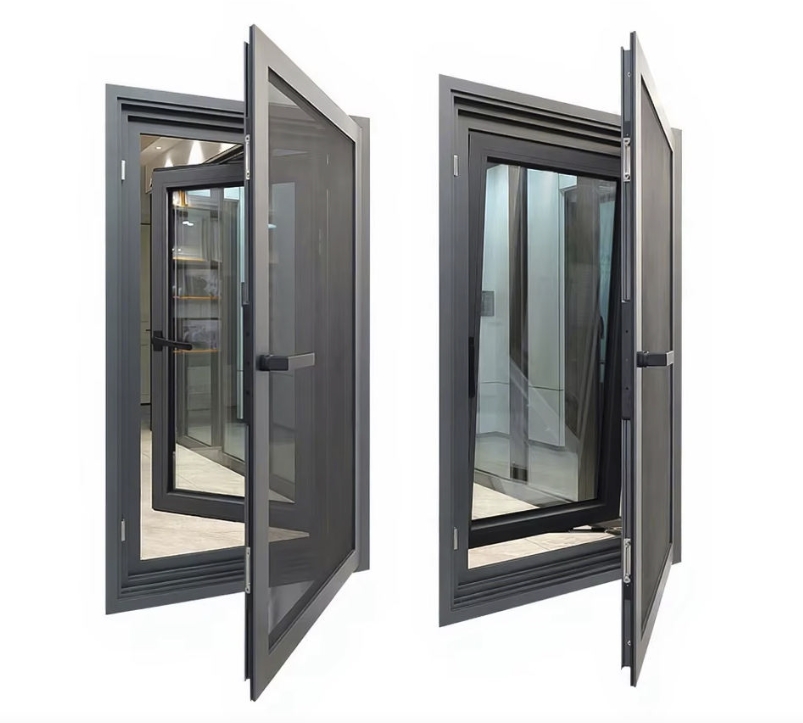
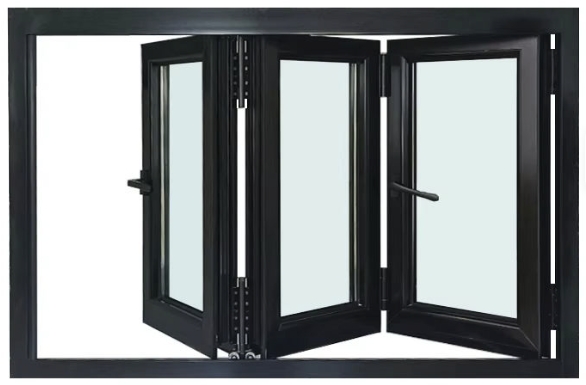
Casement windows open via a side-hung or top-hung configuration, controlled by a friction stay or espagnolette mechanism. Side-hung casements are the dominant residential format, offering full-width ventilation and unobstructed egress. Top-hung (awning) casements are preferred where weather protection during ventilation is a priority, particularly in exposed elevations.
Frame material selection has a direct impact on thermal performance, maintenance burden, and design compatibility:
- uPVC: Market-leading for cost efficiency and thermal performance. Multi-chamber profiles achieve frame U-values of 1.2–1.8 W/m²K with minimal maintenance. Colour options have expanded significantly via foil lamination, though structural limitations restrict very large spans.
- Aluminium: Superior strength-to-weight ratio enables slim sightlines and large format units. Thermally broken aluminium profiles (polyamide bridge) achieve frame U-values of 1.4–2.0 W/m²K. Preferred for contemporary architectural aesthetics and commercial applications.
- Timber: Highest aesthetic value for heritage and period properties. Sustainably sourced hardwood or engineered timber achieves competitive U-values when properly specified, but requires periodic repainting or re-oiling — a maintenance cost that must be factored into TCO calculations.
2. Performance Specifications & Energy Efficiency Standards
2.1 Thermal & Acoustic Performance Metrics
Three metrics govern the specification of double-glazed casement windows in a procurement context:
U-Value (W/m²K) measures the rate of heat transfer through the complete window assembly (glass + frame + installation interface). Lower values indicate better insulation. A well-specified double-glazed casement window achieves a whole-window U-value of 1.2–1.6 W/m²K, compared to 2.8–3.0 W/m²K for standard single glazing.
Solar Heat Gain Coefficient (SHGC) quantifies how much solar radiation passes through the glazing as heat. In cooling-dominated climates, a low SHGC (0.25–0.35) reduces air conditioning demand. In heating-dominated climates, a higher SHGC (0.45–0.60) can contribute passive solar gain. Specifying the correct SHGC for the building’s orientation and climate zone is a frequently overlooked optimisation opportunity.
Rw Acoustic Rating (dB) measures the window’s ability to attenuate airborne sound. Standard double-glazed casement windows achieve Rw 30–35 dB. Acoustic-enhanced variants using asymmetric glass pane thicknesses (e.g., 6/16/4 mm) or laminated glass can reach Rw 38–42 dB, suitable for properties near roads, railways, or flight paths.
2.2 Compliance, Certifications & Building Regulations
| Материал рамы | U-Value (W/m²K) | Acoustic Rating (dB) | Gas Fill | Key Certification | Typical Price Range (per unit) |
|---|---|---|---|---|---|
| uPVC | 1.2 – 1.6 | 30 – 38 | Argon | ENERGY STAR, CE | £350 – £800 |
| Aluminium (TB) | 1.4 – 2.0 | 32 – 42 | Argon/Krypton | CE, BS EN 14351-1 | £600 – £1,400 |
| Timber | 1.3 – 1.8 | 30 – 40 | Argon | CE, FSC | £700 – £1,600 |
| Composite | 1.1 – 1.5 | 32 – 40 | Argon/Krypton | CE, ENERGY STAR | £800 – £1,800 |
Prices indicative for standard residential casement sizes (1200×1200 mm); supply-only.
Key compliance references include:
- BS EN 14351-1: The European product standard for windows and external pedestrian doorsets, covering air permeability, water tightness, and wind resistance classifications.
- Part L (England) / Section 6 (Scotland): Mandates maximum whole-window U-values of 1.4 W/m²K for replacement windows in existing dwellings and 1.2 W/m²K for new build under current regulations.
- ENERGY STAR: The North American benchmark; double-glazed casement windows for Northern climate zones must achieve U-factor ≤ 0.22 (≈ 1.25 W/m²K).
- CE Marking: Mandatory for products placed on the UK/EU market, confirming conformity with declared performance characteristics.
3. Key Benefits for Homeowners & Procurement Buyers
3.1 Energy Savings, Comfort & Condensation Control
The most commercially compelling argument for double-glazed casement windows is the reduction in space heating and cooling expenditure. In a UK semi-detached property, replacing single-glazed windows with A-rated double-glazed units is estimated by the Energy Saving Trust to reduce annual heating bills by £110–£160, with payback periods of 15–25 years on a supply-and-install basis — significantly shorter when energy prices are elevated.
Beyond headline energy savings, the thermal performance of double-glazed casement windows eliminates cold radiation discomfort near window surfaces, allowing furniture placement closer to the perimeter and improving usable floor area perception. The warm inner pane surface (typically ≥ 12°C at -10°C external temperature with a 1.4 W/m²K unit) keeps the surface above the dew point of typical indoor air, preventing internal condensation — a persistent problem with single glazing that drives mould growth and structural deterioration.
Thermal bridge elimination at the frame-to-wall junction, achieved through correct installation with insulating backing rods and low-conductivity fixings, further improves the as-installed performance versus the laboratory-rated U-value.
3.2 Security, Ventilation & Aesthetic Versatility
Modern double-glazed casement windows are routinely specified with multi-point locking hardware — typically engaging three to five locking points along the frame perimeter — meeting PAS 24:2022 enhanced security requirements and qualifying for Secured by Design accreditation. This represents a meaningful upgrade over single-point cockspur handles common on older casement windows.
Trickle vents integrated into the head or frame section provide background ventilation compliant with Building Regulations Approved Document F, allowing controlled air exchange without compromising thermal or acoustic performance when the window is closed — a critical detail for airtight new-build envelopes.
Aesthetically, uPVC casement windows are available in over 20 standard RAL colour foil finishes, while aluminium frames support any RAL or BS colour via powder coating. Flush-sash casement designs, where the sash sits level with the outer frame face, have gained significant market share by delivering the clean sightlines associated with steel-framed windows at a fraction of the cost and maintenance requirement.
4. Application Scenarios & Commercial Considerations
4.1 Residential Use Cases: New Build vs. Retrofit
In new build projects, double-glazed casement windows are specified at design stage, allowing frame size, opening configuration, and U-value to be optimised against the SAP energy model. Coordination with structural openings and cavity closers is straightforward, and whole-house procurement volumes typically attract trade pricing.
Retrofit replacement is the higher-volume market segment. In England and Wales, replacing like-for-like window styles in existing dwellings is generally permitted development, requiring no planning permission, provided the replacement meets current energy efficiency standards. However, properties in conservation areas or listed buildings face additional constraints: timber frames may be required, and double glazing may need to be installed within slim-profile units that replicate the visual weight of original single-glazed windows. Early engagement with the local planning authority is advisable.
For landlords and housing associations, Part L compliance on replacement windows is a legal obligation, and documented U-value certification is required for Building Control sign-off — making CE-marked products with third-party test data a non-negotiable procurement criterion.
4.2 Supplier Selection & Total Cost of Ownership
Procurement decisions based solely on unit price routinely underestimate total cost of ownership. Key variables to evaluate:
- Warranty terms: Industry-standard warranties range from 10 years (uPVC profile and IGU seal) to 25 years for premium composite or aluminium systems. Confirm whether warranty is transferable — relevant for new-build developers and landlords.
- Lead time: Standard made-to-measure casement windows carry 3–6 week lead times from most UK fabricators. Bespoke sizes, non-standard colours, or acoustic glass specifications may extend this to 8–12 weeks.
- Installation compatibility: Verify that the supplied frame system is compatible with the installer’s existing tooling and fixing methodology, particularly for renovation projects where sub-frame conditions vary.
- After-sales service network: For volume procurement, confirm that the supplier maintains regional service coverage for hardware adjustment, seal replacement, and glass unit replacement under warranty — field service response time directly affects tenant satisfaction and maintenance cost.
Часто задаваемые вопросы
1. What U-value should I specify for double-glazed casement windows to meet current building regulations?
For replacement windows in existing English dwellings, the current minimum whole-window U-value under Part L is 1.4 W/m²K. For new build under SAP 10.2, the notional specification is typically 1.2 W/m²K or better. Scottish and Welsh regulations differ slightly — always verify against the applicable national annex. Specifying to 1.2 W/m²K future-proofs against anticipated regulatory tightening and improves EPC ratings.
2. How do double-glazed casement windows compare to triple glazing in terms of cost-benefit for temperate climates?
In a UK or Northern European temperate climate, triple glazing typically improves whole-window U-values from approximately 1.4 to 0.8 W/m²K — a meaningful gain, but the incremental energy saving over double glazing rarely justifies the 30–50% cost premium in existing dwellings. Triple glazing delivers the clearest ROI in new-build Passivhaus projects where the airtight envelope demands very low fabric heat loss. For most retrofit scenarios, investing the cost differential in frame quality, warm-edge spacers, and correct installation detailing yields a better return.
3. What maintenance requirements should I factor into a long-term procurement decision for double-glazed casement windows?
uPVC frames require only periodic cleaning with a non-abrasive cleaner and annual lubrication of hinges and locking hardware — typically under two hours per window per year. Aluminium frames are similarly low-maintenance, though powder-coat surfaces should be inspected for chips in coastal environments. Timber frames require repainting or re-oiling every 5–8 years, adding meaningful labour cost over a 25-year asset life. IGU seal failure, evidenced by inter-pane condensation, is covered under warranty for the first 10–15 years; post-warranty glass unit replacement costs £80–£200 per unit depending on size and specification.
Заключение
Double-glazed casement windows deliver a well-evidenced combination of thermal efficiency, acoustic performance, security, and design flexibility that justifies their position as the default fenestration choice for residential and light commercial projects. The specification variables — U-value, gas fill, frame material, acoustic rating, and hardware grade — are well-standardised and independently verifiable, enabling rigorous like-for-like comparison between competing suppliers.
For procurement buyers, the critical discipline is to evaluate whole-window U-values against current regulatory thresholds, confirm CE marking and third-party test certification, and model total cost of ownership across the warranty period rather than optimising on unit price alone. For homeowners, the combination of reduced energy bills, improved comfort, condensation elimination, and enhanced security represents a durable improvement to both liveability and property value.
To begin specification, request a product data sheet with declared performance values per BS EN 14351-1, confirm compliance with the applicable national building regulation, and engage a certified installer familiar with the frame system. A well-specified and correctly installed double-glazed casement window will perform to its rated values for 25 years or more.