
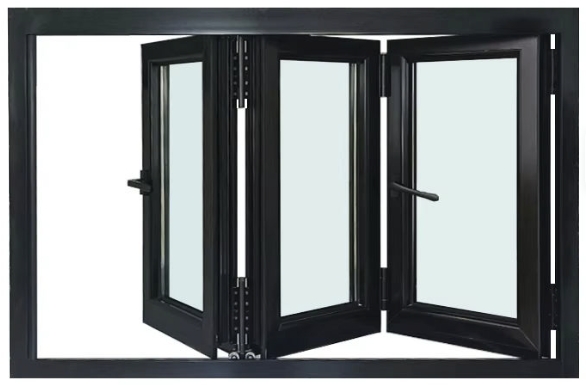
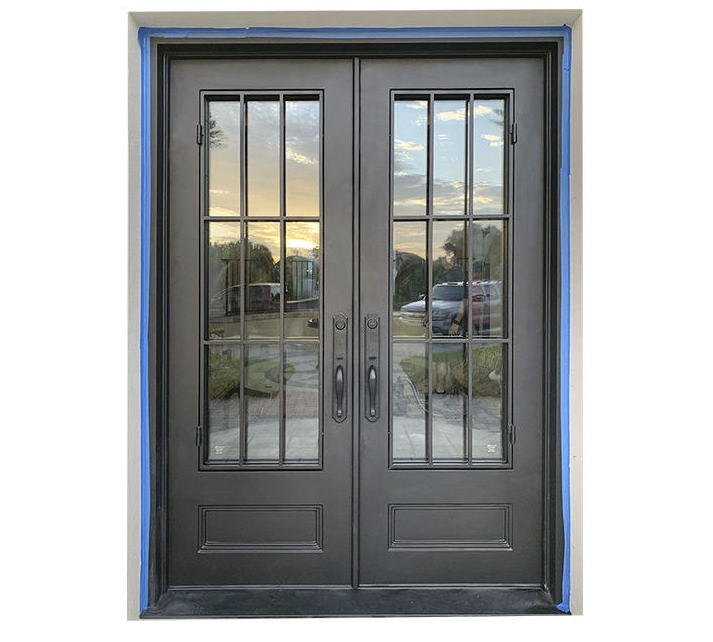
Yes. Aluminum casement windows are designed to deliver both excellent ventilation and reliable sealing performance. Unlike sliding windows, they open outward or inward like a door, allowing a larger airflow area for improved natural ventilation. When closed, the sash presses tightly against the frame through compression seals, helping reduce air leakage, water infiltration, and outside noise. But how does this design achieve such a balance between airflow and airtightness? More importantly, are aluminum casement windows the right solution for residential, commercial, or architectural projects? Let us explore their structure, benefits, and practical applications.
What Makes Aluminum Casement Windows Different?
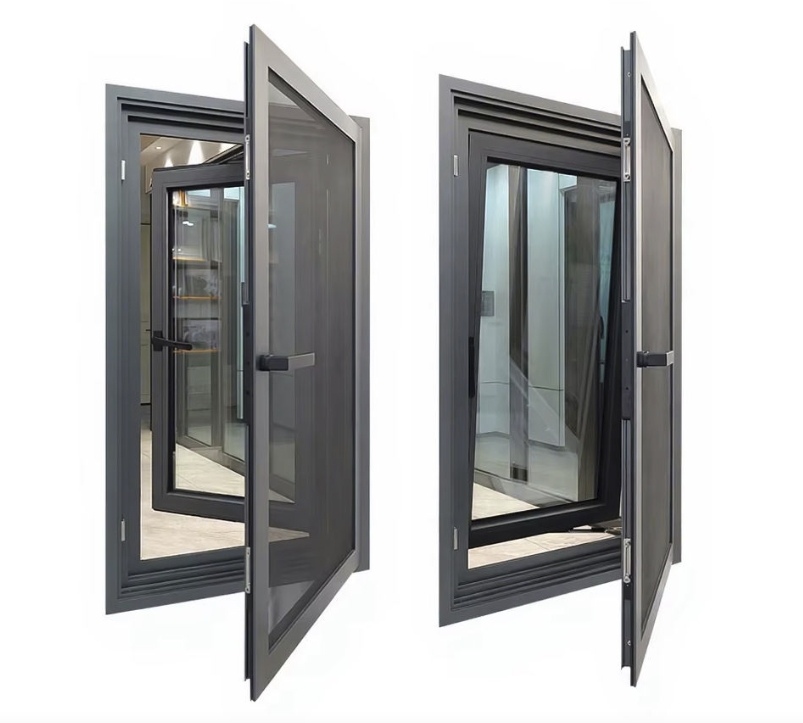
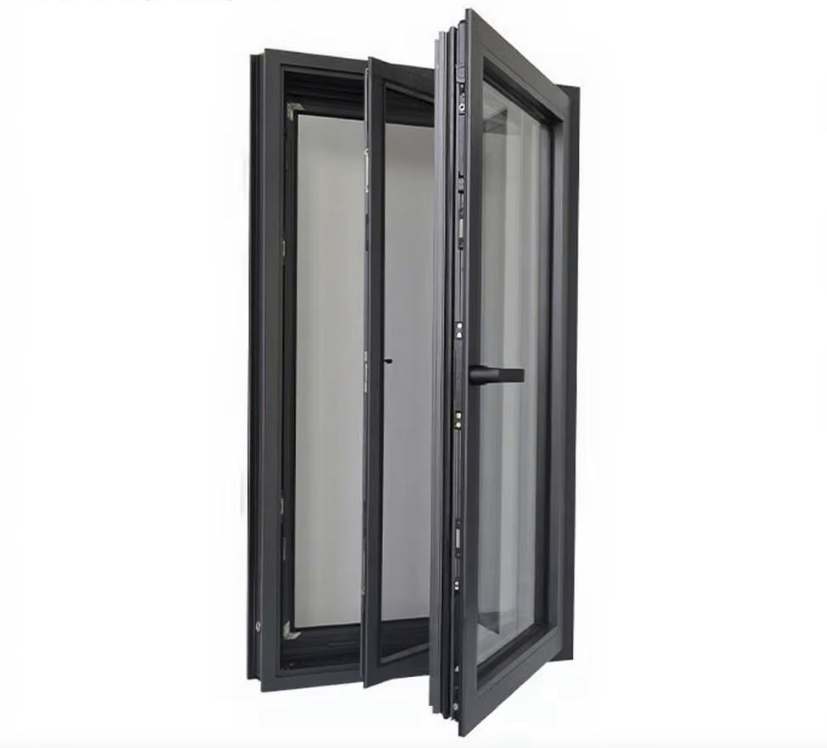
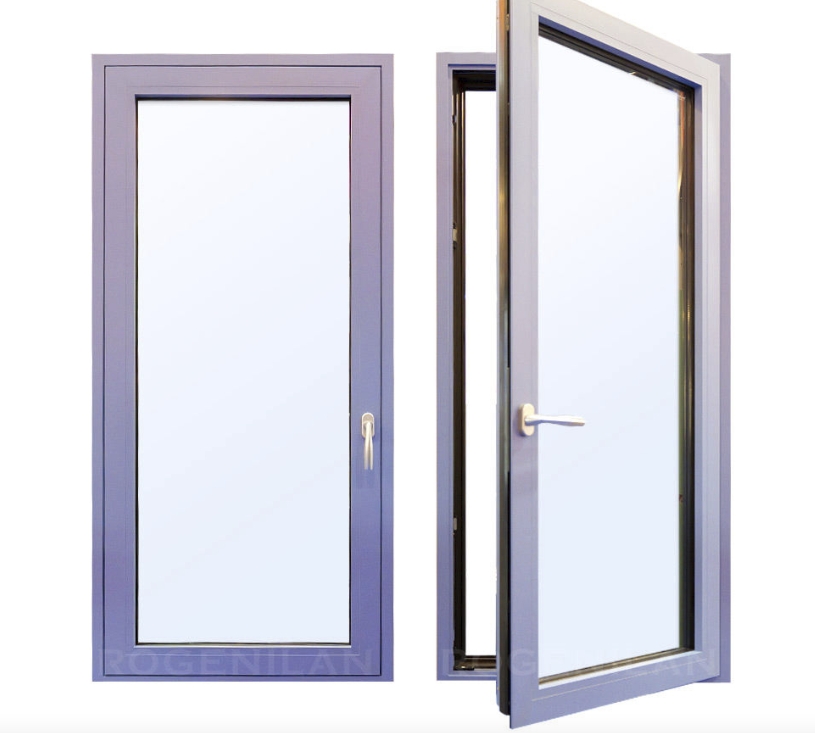
A casement window is hinged on one vertical side and opens outward (or inward) through a crank handle or operating mechanism. Unlike sliding windows that move horizontally along tracks, aluminum casement windows use a rotating sash design. When opened, the sash can swing outward to create a wide ventilation opening. When closed, it presses firmly against the frame, allowing the sealing system to provide better airtight performance.
This structural design is the key reason why casement windows perform well in both ventilation and sealing. The combination of a large opening area and compression sealing system helps improve airflow while reducing air leakage, making them suitable for residential, commercial, and architectural applications.
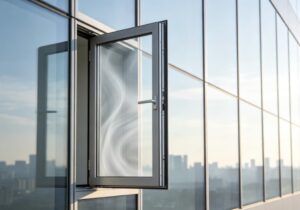
The Ventilation Advantage: Why Fresh Air Flows Better
100% Opening Area
One of the biggest advantages of aluminum casement windows is their large effective opening area. The entire sash can open outward, creating a more unobstructed path for fresh air compared with sliding windows.
Sliding windows usually have overlapping panels, which means only part of the total window area can be opened at one time. By comparison, casement windows provide a larger ventilation opening, improving air exchange and helping maintain better indoor air quality.
For example, a 900 mm wide casement window can provide approximately 0.9 square meters of opening area. This additional airflow capacity is especially beneficial in rooms where natural ventilation plays an important role.
They Help Direct Outdoor Airflow
Another advantage of casement windows is their ability to influence airflow direction. When the sash opens outward, it can help capture and guide outdoor air into the room, even when the wind is not directly facing the window.
Compared with sliding windows that mainly provide a fixed opening gap, casement windows offer more flexibility in controlling airflow. Depending on the opening angle and wind conditions, users can adjust ventilation levels to improve indoor comfort.
Precision Control Over Airflow
With an aluminum casement window, ventilation can be adjusted according to different requirements. The sash can be opened slightly to provide gentle airflow or opened wider for faster air exchange when removing heat, humidity, or indoor odors.
This level of control makes casement windows a practical choice for bedrooms, kitchens, living areas, and commercial spaces where indoor air quality and comfort are important.
The Sealing Advantage: How They Keep the Elements Out
Compression Seals Provide Better Airtight Performance
When a casement window is closed and locked, the sash presses against the frame on all four sides. This creates a compression seal, where EPDM or other weather-resistant gaskets are compressed between the sash and frame to reduce air leakage, dust intrusion, water penetration, and outside noise.
Sliding windows typically rely on brush seals or weatherstripping along the tracks. While effective for general applications, these contact seals usually cannot provide the same compression force as a properly installed casement window sealing system.
This makes aluminum casement windows particularly suitable for buildings that require improved airtightness and weather resistance.
Performance Ratings and Testing Standards
The sealing performance of casement windows is evaluated through recognized industry standards. According to European standards such as EN 12207 for air permeability and EN 12208 for watertightness, high-quality aluminum casement window systems can achieve excellent performance ratings when combined with suitable profiles, glazing, hardware, and installation.
Many advanced systems use:
- Multi-point locking systems to improve sash compression;
- EPDM gasket systems to enhance long-term sealing durability;
- Thermal break aluminum profiles to reduce heat transfer;
- Double or triple glazing options to improve insulation performance.
These components work together to improve airtightness, water resistance, and overall energy efficiency.
Energy Efficiency: The Thermal Break Advantage
Aluminum is a good conductor of heat, which used to be a challenge for traditional aluminum windows. Today, many premium aluminum casement windows use thermal break technology to improve insulation performance. A polyamide strip, often reinforced with glass fiber, is inserted between the interior and exterior aluminum profiles to reduce thermal bridging.
This technology has significantly improved the energy efficiency of aluminum window systems. Combined with thermal breaks and double or triple glazing (such as low-E coated and argon-filled glass), modern aluminum casement windows can achieve U-values as low as 1.0 W/m²K or even lower.
A lower U-value means better insulation performance because less heat transfers through the window. In colder climates, improved thermal performance can help maintain indoor comfort and reduce heating energy consumption.
Some advanced systems with optimized thermal breaks and triple glazing can achieve U-values below 0.9 W/m²K. However, actual energy savings depend on factors such as glass specification, installation quality, and local climate conditions.
Noise Reduction: A Valuable Benefit of Better Sealing
For buildings near busy roads, airports, or urban areas, aluminum casement windows can provide strong sound insulation performance. The compression seal helps create an effective acoustic barrier by reducing gaps between the sash and frame.
When combined with laminated or acoustic glass, casement windows can significantly reduce external noise transmission and improve indoor comfort. Many architects choose casement window systems for noise-sensitive buildings because the multi-point locking system and tight sealing structure help minimize sound leakage.
Compared with sliding windows, which rely on track-based sealing systems, casement windows provide more continuous sealing around the frame, improving both acoustic performance and weather resistance.
Comparing Aluminum Casement to Other Window Types
To give you a clear picture, here is a side-by-side comparison of aluminum casement windows against the most common alternatives.
| Feature | Aluminum Casement | Aluminum Sliding | Awning (Top-Hinged) | Fixed (Non-Operable) |
|---|---|---|---|---|
| Ventilation Area | Up to 100% | ~50% | ~30-40% (opens outward at angle) | 0% |
| Sealing Mechanism | Compression seal all around | Contact brush seal | Compression seal (but only 3 sides) | N/A (sealed permanently) |
| Air Tightness (Class) | 4 (highest) | 2–3 | 3–4 (but smaller opening) | 4 (if well-glazed) |
| Water Tightness | Excellent (E900+) | Good (E600 max typically) | Good (E600–E900) | Excellent (no moving parts) |
| Noise Reduction | Excellent (with proper glass) | Moderate (track leaks) | Good | Excellent |
| Breeze Control | Can scoop and direct airflow | Passive gap only | Limited deflection | None |
| Best Use Case | Rooms needing max ventilation and sealing | Wide openings with limited exterior space | Rainy climates (can keep open in light rain) | Areas needing views only |
As the table shows, casement windows win on nearly every functional metric—except when exterior clearance is restricted.
Where Do Aluminum Casement Windows Work Best?
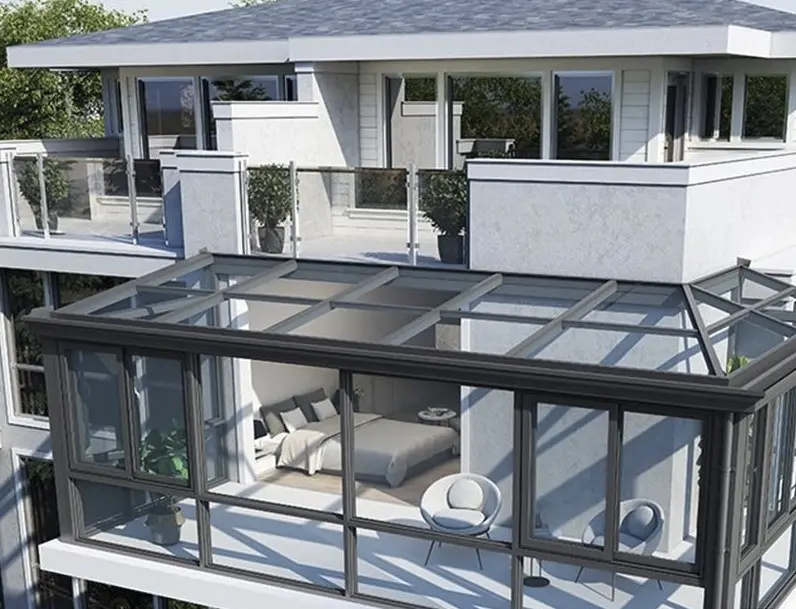
Residential Bedrooms and Living Rooms
Bedrooms benefit from fresh air circulation at night and improved noise control during the day. Aluminum casement windows provide flexible airflow adjustment, while their tight sealing structure helps reduce outdoor noise and dust infiltration. In living rooms, installing casement windows on opposite walls can support effective cross-ventilation.
Kitchens and Bathrooms
Cooking areas often generate heat, steam, and odors. A fully opened casement window can help improve air circulation and remove excess humidity more efficiently. In bathrooms, casement windows support moisture control and help reduce conditions that may contribute to mold growth.
Coastal and High-Wind Areas
Strong sealing performance and wind-load resistance make casement windows suitable for coastal homes and high-rise buildings. Their multi-point locking systems and compression seals provide better protection against air leakage and water penetration compared with many sliding window designs.
Commercial Buildings
Offices, schools, and healthcare facilities often use aluminum casement windows because they support ventilation requirements and energy efficiency standards. Their large opening area allows natural ventilation, which can help reduce dependence on mechanical HVAC systems.
Homes Near Busy Roads or Airports
For buildings located in high-noise environments, casement windows combined with acoustic glazing can provide improved sound insulation. Their compression sealing system helps minimize sound leakage and create a more comfortable indoor environment.
Design, Finish, and Hardware Options: Customization Matters
A key advantage of aluminum casement windows is their design flexibility. Different components can be customized according to architectural requirements and performance needs, including:
- Frame profiles – slim modern designs or traditional profile styles
- Colors and finishes – powder coating in various RAL colors, anodized finishes, and wood-grain textures
- Donanım – multi-point locking systems, concealed hinges, and handles available in different finishes such as stainless steel, matte black, and chrome
- Cam – double or triple glazing, low-E coatings, argon or krypton gas filling, laminated acoustic glass, solar control coatings, and self-cleaning glass
- Paravanlar – retractable insect screens or fixed mesh screens integrated into the window system
This customization flexibility allows aluminum casement windows to better integrate with different building designs while meeting requirements for aesthetics, energy efficiency, and functional performance.
Installation Matters: Why It Affects Performance
Even high-quality aluminum casement windows depend on proper installation to achieve their designed ventilation, sealing, and energy performance. Incorrect installation can create air leakage, water infiltration, or uneven sash operation, reducing the benefits of the window system.
Key installation factors include:
- Frame alignment and leveling – The frame must be installed square and plumb to ensure the sash closes evenly and maintains consistent gasket compression.
- Correct fixing methods – Proper anchor spacing and fixing techniques prevent frame deformation that may affect airtightness and long-term stability.
- Hardware adjustment – Hinges, locking points, and compression settings should be adjusted correctly to maintain effective weather sealing.
- Flashing and sealant application – Proper perimeter waterproofing helps prevent moisture penetration around the window frame.
For residential and commercial projects, working with installers experienced in aluminum window systems is essential. Many issues such as drafts, leakage, or difficult operation are caused by installation errors rather than product limitations.
Maintenance and Longevity: How to Keep Them Performing
One major advantage of aluminum casement windows is their long service life with relatively simple maintenance. Regular care helps preserve sealing performance, hardware reliability, and overall window lifespan.
Recommended maintenance practices include:
- Maintain hardware components – Lubricate hinges, handles, and locking mechanisms once or twice a year to ensure smooth operation.
- Inspect weather seals – Keep EPDM gaskets clean and replace damaged or hardened seals to maintain airtight performance.
- Clear drainage channels – Remove debris from drainage openings to prevent water accumulation inside the frame.
- Protect glass surfaces – Use non-abrasive cleaners to avoid scratches and maintain optical clarity.
With proper installation and routine maintenance, high-quality aluminum casement windows can typically provide 30–40 years of reliable performance. While hardware components may need replacement over time, the aluminum frames can remain structurally durable for decades.
Potential Limitations of Aluminum Casement Windows
Although aluminum casement windows offer excellent ventilation, sealing, and energy efficiency, they may not be suitable for every building design. Before choosing this window style, consider the following limitations:
- Exterior clearance requirements – Outward-opening casement windows need sufficient exterior space. For areas near walkways, balconies, or restricted facades, the opening direction should be carefully planned. Inward-opening designs can solve this issue but require more interior space.
- Interior space considerations – Inward-opening casement windows may affect the placement of curtains, blinds, or other window treatments because the sash requires additional operating clearance.
- More hardware components to maintain – Compared with sliding windows, casement systems use hinges, locking mechanisms, and operating hardware that require periodic inspection and maintenance to maintain smooth operation.
- Higher initial investment – Premium aluminum casement windows generally have a higher upfront cost than standard sliding or uPVC window systems. However, improved airtightness, durability, and energy performance can provide better long-term value.
For projects with limited exterior space or specific architectural constraints, alternative window styles may be more practical. However, for buildings where ventilation, weather resistance, and long-term performance are priorities, aluminum casement windows remain a reliable choice.
Conclusion: Are Aluminum Casement Windows the Right Choice?
Aluminum casement windows provide a strong balance of ventilation, sealing performance, energy efficiency, and long-term durability. Their full-opening design improves natural airflow, while compression sealing systems help reduce air leakage, water penetration, and external noise.
For residential and commercial projects, the right window selection depends on factors such as building design, climate conditions, energy requirements, and installation environment. With proper sizing, professional installation, and regular maintenance, aluminum casement windows can deliver reliable performance for decades.
If you are selecting windows for a new project or renovation, contact our team for guidance on suitable profiles, glazing options, and customization solutions based on your specific requirements.