

Abstract
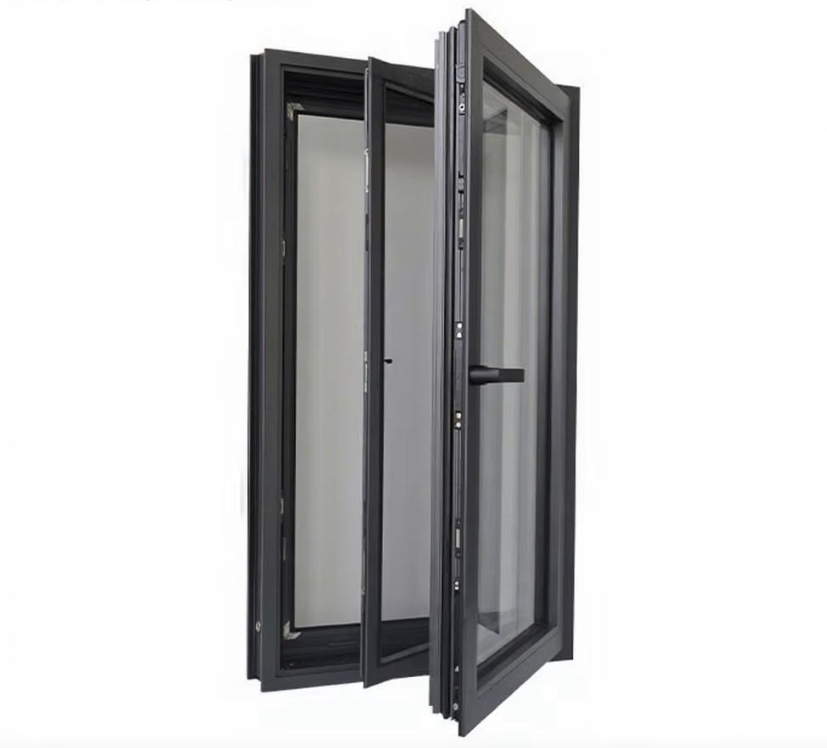
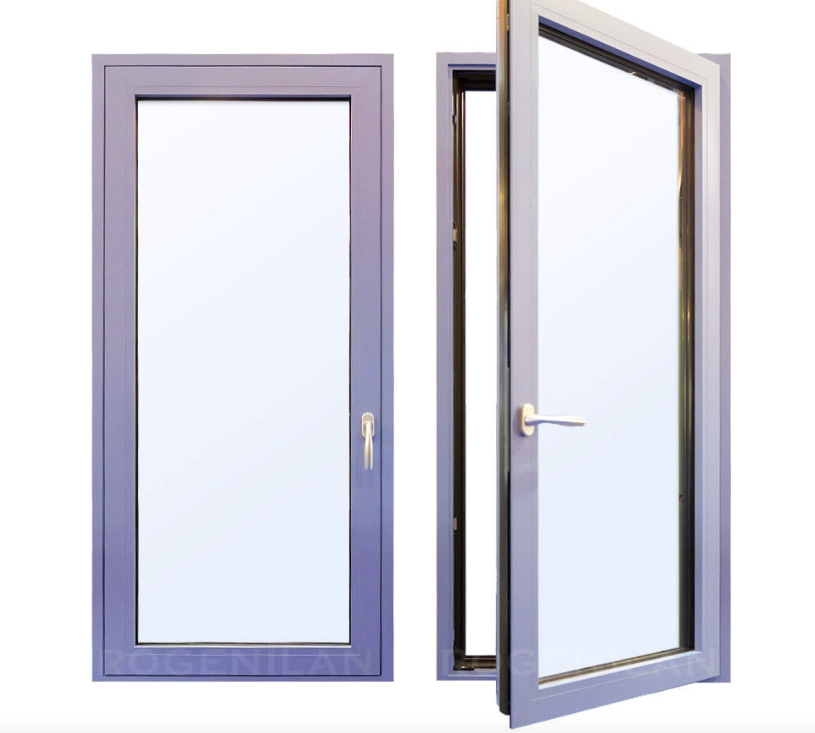
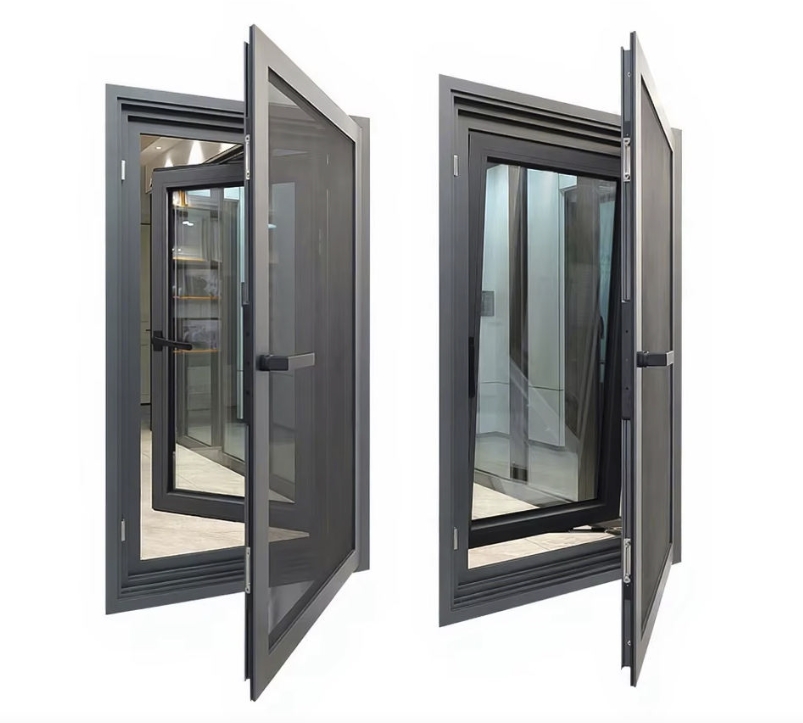
Outdoor waterproof metal doors are engineered to withstand sustained weather exposure, yet water intrusion remains one of the most frequently reported field failures among facility managers, construction specifiers, and procurement engineers. The disconnect is not always a product defect — it is often the result of misunderstood performance ratings, compounding installation variables, or deferred maintenance that erodes an otherwise sound system.
This article systematically identifies the four root causes of leakage in outdoor metal doors: seal degradation, drainage design deficiencies, installation errors, and metal frame fatigue. For each cause, we provide concrete diagnostic protocols and remediation guidance. Whether you are troubleshooting an existing installation or specifying a new procurement, this framework is designed to help B2B buyers, facility engineers, and project managers make technically grounded decisions — and hold suppliers accountable to verifiable weatherproofing standards.
1. Understanding Why “Waterproof” Metal Doors Still Leak
1.1 The Gap Between Rated Performance and Real-World Conditions
When a manufacturer labels an outdoor metal door as “waterproof,” that designation typically references a controlled laboratory test — such as EN 1027 or ASTM E331 — conducted under static pressure and defined water volume. These tests do not replicate the full spectrum of field exposure: wind-driven rain at oblique angles, freeze-thaw cycling, UV degradation of sealants, or the cumulative effect of building settlement over years of service.
An IP65-rated enclosure door, for example, guarantees protection against low-pressure water jets from any direction — but not against prolonged hydrostatic pressure at the threshold, or the capillary action that occurs when weatherstripping loses compression. Buyers who treat a rating as an absolute guarantee rather than a baseline performance benchmark are frequently surprised by real-world leakage events.
The practical implication: no single certification eliminates water intrusion risk. Weatherproofing performance is a system property — it depends on the door leaf, the frame, the threshold, the hardware, the sealant, and the installation quality working in concert.
1.2 How Water Enters a Metal Door System
Water intrusion in outdoor metal doors follows three primary pathways:
- Frame perimeter: Gaps between the door frame and the rough opening, or failed perimeter sealant, allow water to migrate behind the frame and into the wall assembly.
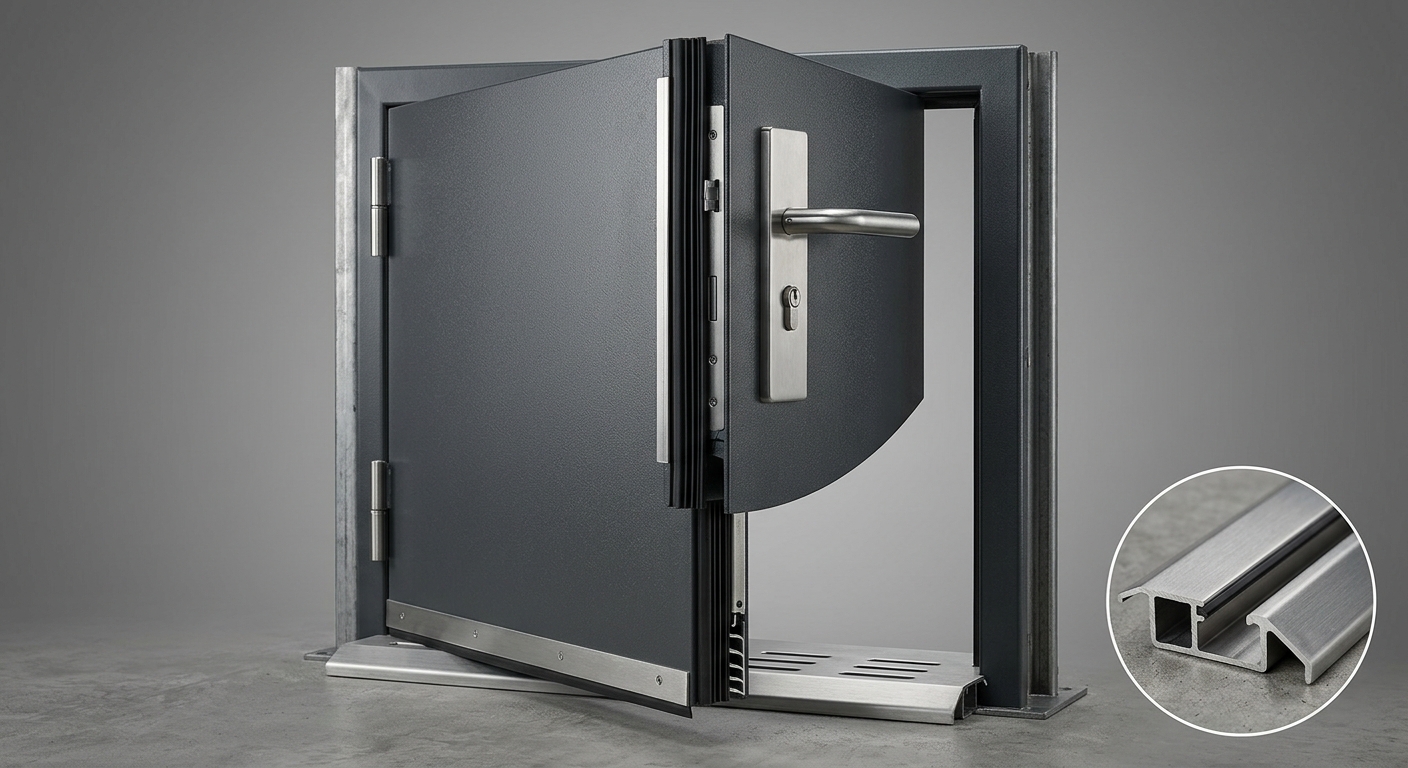
- Threshold gap: The sill interface is the most vulnerable point in any door system. Inadequate threshold height, blocked drainage channels, or compressed/absent door bottoms allow pooled water to enter directly.
- Hardware penetrations: Hinges, lock cylinders, closers, and conduit entries that penetrate the door leaf or frame create pathways if not properly back-filled with sealant or fitted with gaskets.
Understanding which pathway is active is the first step in any effective remediation.
2. The 4 Root Causes of Outdoor Metal Door Water Leakage
2.1 Cause 1 & 2 — Seal Failure and Drainage Design Deficiencies
Seal failure is the single most common cause of leakage in outdoor waterproof metal doors. Weatherstripping materials — most commonly EPDM rubber, silicone, or thermoplastic elastomer (TPE) — are subject to compression set over time. Once a seal loses its ability to rebound against the door leaf, the contact pressure that creates the watertight barrier drops below the threshold needed to resist wind-driven rain.
Key degradation drivers include UV exposure, ozone, temperature cycling (especially below -20°C), and chemical contamination from cleaning agents. EPDM typically retains performance for 10–15 years under moderate conditions; silicone seals can exceed 20 years but are more susceptible to tearing at hardware interfaces. Routine compression testing — pressing the seal between two fingers and observing rebound speed — provides a reliable field indicator.
| Seal Material | Temp Range | Compression Recovery | Expected Lifespan | Best Application | Replacement Interval |
|---|---|---|---|---|---|
| EPDM Rubber | -40°C to +120°C | High | 10–15 years | General outdoor doors | Every 8–10 years |
| Silicone | -60°C to +200°C | Medium-High | 15–20 years | High-temp / chemical exposure | Every 12–15 years |
| TPE (Thermoplastic) | -30°C to +90°C | High | 8–12 years | High-cycle traffic doors | Every 5–8 years |
| Neoprene | -20°C to +100°C | Medium | 8–12 years | Marine / coastal environments | Every 6–10 years |
| PVC Strip | -10°C to +60°C | Low | 5–7 years | Budget / interior-facing | Every 3–5 years |
Drainage design deficiencies represent the second cause — and one that is often invisible until water has already penetrated. A well-designed outdoor metal door threshold incorporates a drainage groove or weep channel that redirects water accumulating at the sill to the exterior. When this channel is absent from the original design, undersized, or becomes blocked by debris, silt, or paint overspray, water backs up and finds the path of least resistance — typically under the door bottom sweep or through the frame-to-slab joint.
Specifiers should require that drainage groove dimensions comply with a minimum cross-sectional area (typically ≥8mm × 6mm) and that weep hole locations are documented in the product drawing package.
2.2 Cause 3 & 4 — Installation Errors and Metal Frame Fatigue
Installation errors are responsible for a disproportionate share of early-life leakage complaints — failures that appear within the first 12–24 months of service. The most common errors include:
- Threshold misalignment: A threshold set even 2–3mm below finished floor level creates a water trap rather than a drainage slope. Minimum outward slope should be 1:50.
- Incomplete perimeter sealant: Gaps in the sealant bead at the rough opening-to-frame interface — particularly at corners — are frequently missed during installation inspections.
- Compressed or pinched weatherstripping: Forcing a door into a rough opening that is undersized by even a few millimeters can permanently deform the seal before the door is ever used.
Metal frame fatigue operates on a longer timeline but produces equally serious consequences. Steel door frames undergo thermal expansion and contraction with every daily temperature cycle. Over years of service, this movement can cause frame members to rack slightly, breaking the seal contact geometry the door was designed around. Surface corrosion — particularly at cut edges, weld points, and hardware holes where zinc coating is compromised — can cause the metal to swell, further distorting the frame profile and preventing the door leaf from seating fully against its seals.
3. Diagnosis & Fix: A Systematic Remediation Framework
3.1 Field Inspection Checklist for Each Cause
A structured water intrusion investigation should follow this priority sequence:
- Visual inspection (dry): Check weatherstripping compression, perimeter sealant continuity, threshold drainage channel clearance, and frame geometry (use a straightedge across the frame face).
- Hose test (wet): Apply water progressively — first at the threshold, then the frame sides, then the head — to isolate the active intrusion point before applying water to the full assembly.
- Hardware check: Inspect all penetrations for missing back-fill sealant. Use a flashlight and mirror to check the interior face of hinge pockets and lock cutouts.
- Tools required on-site: Straightedge, feeler gauges (for seal gap measurement), silicone sealant probe, garden hose with adjustable nozzle, moisture meter for adjacent wall assembly.
Document findings photographically at each stage. This record supports warranty claims and contractor accountability discussions.
3.2 Repair vs. Replace Decision Criteria
| Condition | Recommended Action |
|---|---|
| Weatherstripping compressed but frame geometry intact | Replace seals only — cost-effective, typically <15% of door replacement cost |
| Blocked drainage channel, no structural damage | Clean and re-profile channel; re-seal threshold-to-slab joint |
| Installation error (threshold slope, sealant gap) | Remediate installation defect; re-test within 30 days |
| Frame corrosion >20% of frame perimeter, or visible racking | Full door system replacement; evaluate root cause of corrosion |
| Repeated leakage after two seal replacement cycles | Escalate to full system audit; supplier accountability clause review |
When leakage persists after two documented remediation attempts, the contractual burden of proof should shift to the supplier to demonstrate that the product was installed per specification.
4. Procurement Considerations to Prevent Leakage from Day One
4.1 Key Specifications to Require from Your Supplier
Preventing leakage begins in the specification phase, not the maintenance phase. Require the following from any outdoor waterproof metal door supplier:
- Weatherproofing test reports: EN 1027 (water tightness) and EN 12211 (wind resistance) test certificates from an accredited third-party laboratory, specific to the door configuration being supplied.
- Seal material data sheets: Confirming EPDM or silicone compound specification, compression set values, and UV resistance rating.
- Drainage groove dimensional drawings: Verified in the product shop drawings prior to fabrication approval.
- Factory seal QC documentation: Batch records confirming seal installation torque (for compression seals) or adhesion pull-test results.
- Corrosion protection specification: Minimum zinc coating weight (e.g., Z275 per EN 10346) for steel frames, or equivalent anodizing specification for aluminum.
4.2 Installation Standards and Contractor Accountability
Reference ANSI/HMMA 861 (Guide Specifications for Commercial Steel Doors and Frames) and EN 1026/12207 for installation tolerance requirements. Key contractual milestones should include:
- Pre-installation inspection: Rough opening dimensions verified against door schedule tolerances (typically ±3mm).
- Post-installation water test: Hose test at threshold and frame perimeter, documented and signed off before handover.
- Warranty scope definition: Explicitly distinguish between product warranty (seal materials, frame coating) and installation warranty (contractor scope). Minimum 2-year installation warranty with defined leak-response SLA.
FAQ
1. Why does my outdoor metal door leak only during heavy rain or wind-driven rain, but not light rain?
This pattern indicates the seal system is functional under low static pressure but fails under dynamic load. Wind-driven rain creates positive pressure differentials across the door face that exceed the seal’s contact pressure — typically the result of weatherstripping that has lost 30–40% of its original compression. It can also indicate that drainage channels are adequate for normal rainfall but become overwhelmed during high-intensity events. Upgrading to a dual-fin compression seal and verifying drainage channel sizing for peak flow conditions will address both failure modes.
2. How often should weatherstripping on an outdoor waterproof metal door be inspected or replaced?
Inspection annually; replacement on condition rather than fixed schedule. Use the compression rebound test as the primary criterion: if the seal does not recover to its original profile within 3 seconds of release, replacement is overdue. In high-UV or coastal environments, inspect every 6 months. EPDM seals in temperate climates typically require replacement every 8–10 years under normal traffic conditions.
3. What certifications should I require from a supplier to ensure an outdoor metal door is genuinely waterproof?
At minimum: EN 1027 water tightness classification (Class 9A or higher for exposed facades), EN 12211 wind resistance (Class C5 or equivalent for high-exposure sites), and ISO 9001 quality management certification for the manufacturing facility. For doors in regulated environments (hazardous areas, food processing, pharmaceutical), additionally require IP65 or IP66 enclosure ratings per IEC 60529.
Conclusion
Leakage in outdoor waterproof metal doors is rarely a single-point failure. In the majority of documented cases, it results from the compounding interaction of at least two factors — most commonly, aging seals operating within a drainage system that was never properly designed or maintained. The four root causes identified here — seal degradation, drainage design deficiencies, installation errors, and metal frame fatigue — each have clear diagnostic signatures and proven remediation pathways.
For procurement teams, the most cost-effective intervention is front-loaded: specifying verified weatherproofing certifications, enforcing installation inspection milestones, and selecting suppliers who provide full technical documentation and post-installation support. Doors that leak within the first two years of service almost always trace back to a gap in the specification or installation process — not an inherent limitation of the product category. Addressing these gaps at the procurement stage eliminates the far higher cost of reactive remediation over a 20-year service life.